
Malindi travel guide
Mombasa to Malindi: Bus, Matatu, Taxi and Transfer Options
Mombasa and Malindi are about 120 kilometres apart by the usual north-coast road. A private transfer normally needs roughly 2.5 to 3.5 hours, while a bus or matatu can take longer because of boarding, intermediate stops and the final connection to your hotel. Traffic through Mombasa, Mtwapa and Kilifi matters more than the distance suggests.
For a first visit with luggage, the simplest choice is a pre-arranged door-to-door transfer. A reputable intercity coach or shuttle is the more comfortable budget option when its departure time works. Matatus cost less and leave more frequently, but they offer the least predictable space, departure time and luggage handling.
Mombasa to Malindi options compared
| Mode | Realistic door-to-door time | Booking method | Best for | Main compromise |
|---|---|---|---|---|
| Private transfer | About 2.5 to 3.5 hours | Hotel or established transfer company | Families, groups, airport and SGR arrivals | Highest cost |
| Intercity coach or shuttle | About 3 to 5 hours including connections | Operator office, website or app | Budget travellers who want a named operator | Fixed terminal and departure time |
| Matatu | About 3 to 5 hours including waiting | Pay at the stage or vehicle | Light luggage and confident independent travellers | Crowding, stops and variable baggage arrangements |
| Rental car | About 2.5 to 3.5 hours before stops | Rental company | A multi-stop Kilifi and Malindi trip | Driving, parking and rental liability |
| Local taxi to a stage, then public transport | Usually 3.5 hours or more | Two separate arrangements | Travellers staying away from the terminal | A second fare and exposed change with bags |
Times are planning ranges, not schedules. Holiday traffic, road works, rain and a slow departure from Mombasa can extend the trip.
First identify where in Mombasa you are starting
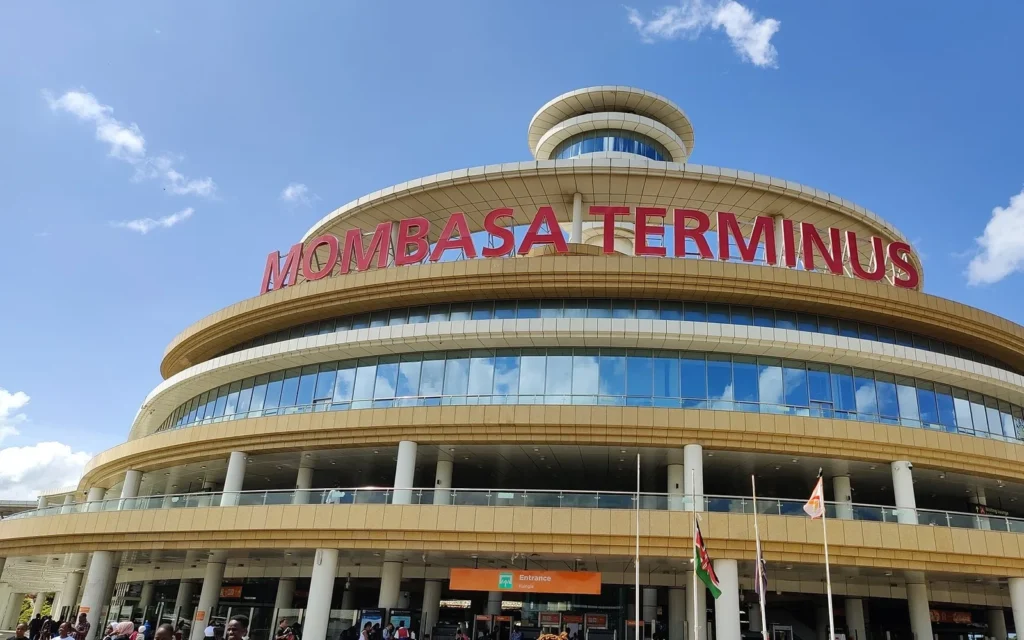
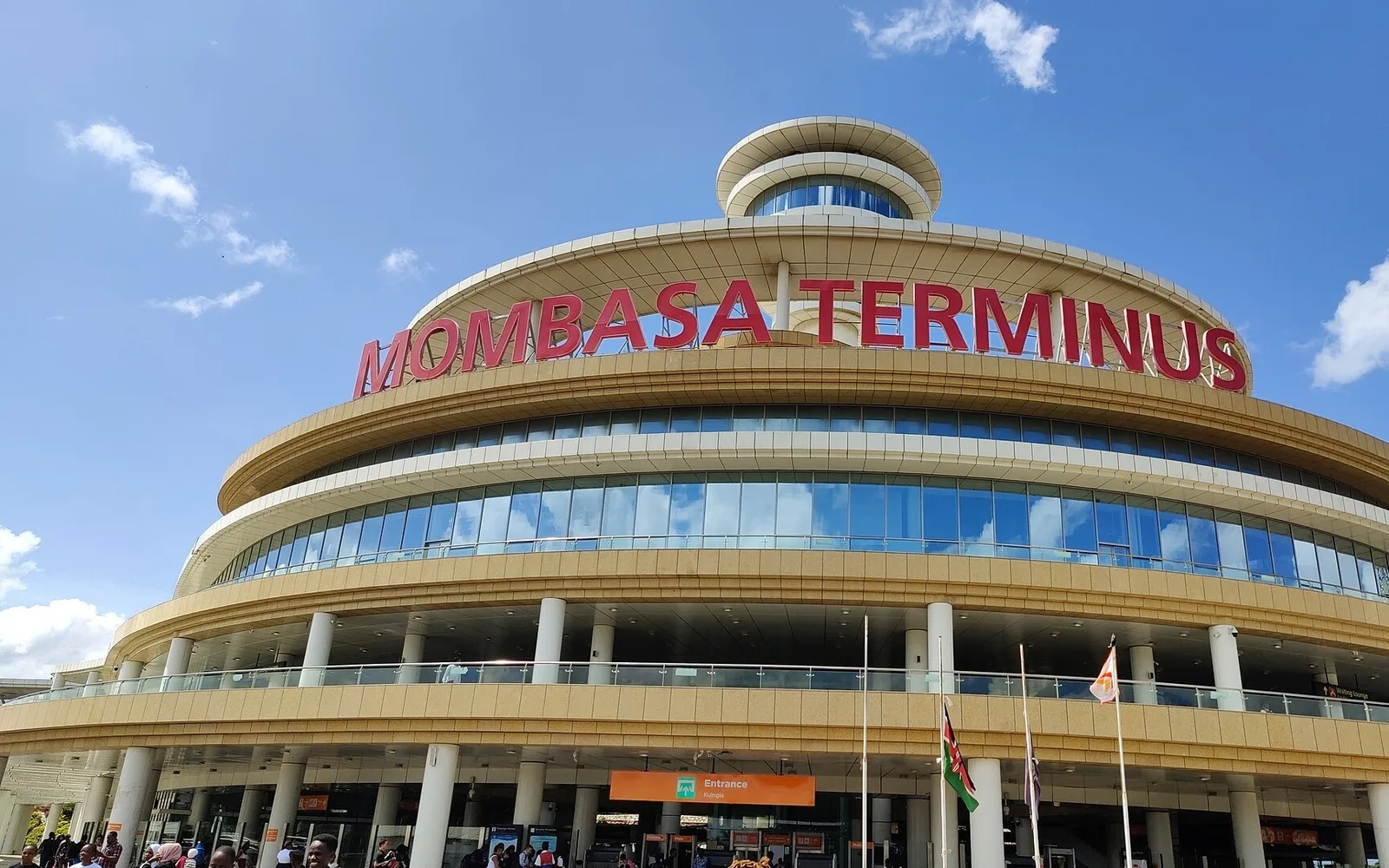
“Mombasa” is not one departure point. The best route changes according to whether you are at Moi International Airport, the Mombasa SGR Terminus in Miritini, Mombasa Island, Nyali, Bamburi or Shanzu.
| Starting point | Sensible first choice | Why |
|---|---|---|
| Moi International Airport | Through transfer or taxi to the confirmed operator office | The airport is west of the island and not on the north-coast road |
| Mombasa SGR Terminus | Pre-booked transfer, or taxi to a verified northbound stage | Miritini is also west of the city; crossing Mombasa adds time |
| Mombasa Island or CBD | Coach, shuttle, matatu or transfer | Most northbound public transport is easiest to reach from town |
| Nyali or Bamburi | Transfer or a verified northbound pickup | Returning to the island may mean travelling in the wrong direction |
| Shanzu or Mtwapa | Northbound pickup or transfer | You are already on the Malindi side of central Mombasa |
Ask for a map pin, reporting time and operator telephone number before leaving your accommodation. Stages and company offices can move. A taxi instruction such as “the Malindi buses” is not precise enough when you have luggage or a timed booking.
There is no passenger train from Mombasa to Malindi. The Madaraka Express terminates at Mombasa Terminus, so a rail passenger must continue by road. Our Mombasa SGR guide explains the station and city transfer separately.
Taking a coach or scheduled bus
Named operators are easier to verify than an unmarked vehicle. Tahmeed’s official booking site lists both Mombasa and Malindi among its destinations, but that does not guarantee a direct seat at every hour or on every date. Search the exact journey on the Tahmeed booking site, then confirm the Mombasa office, reporting time, Malindi drop-off and luggage allowance. Other operators and coastal shuttles may serve the corridor, but their availability changes.
Before paying, confirm all five points:
- Is this a direct Mombasa to Malindi service or a through bus that stops there?
- What is the exact boarding office, not just the neighbourhood?
- Is your seat reserved and does the vehicle have working seat belts?
- Is a suitcase included, tagged and placed in a locked hold?
- At which Malindi office or stage will you be dropped?
A large coach is not automatically faster than a matatu. It may wait for a scheduled departure, load parcels or stop in Kilifi. Its advantage is the clearer operator relationship, assigned departure point and, on some services, reserved seating.
Do not rely on a fare copied from an old blog or forum. Search the operator for your actual travel date and compare the final price after booking charges. Around Christmas, Easter and school holidays, both demand and road traffic can change sharply.
Taking a matatu
Matatus are the flexible local option. Depending on the vehicle and stage, you may find a direct Malindi service or travel in two legs through Kilifi. Vehicles often leave when sufficiently full rather than to a timetable. That makes them useful when you are flexible, but unsuitable for a tight flight, train or hotel check-in connection.
Travel with one bag that you can manage yourself. Ask where it will be placed and whether a separate luggage payment is expected before boarding. Keep your passport, phone, money and medication on your person. If the vehicle is already overcrowded, lacks a usable belt or the driver appears unsafe, wait for another one.
The UK government’s current Kenya transport advice records serious accidents involving long-distance buses and matatus, often linked to maintenance and speeding, and advises travellers to check operator safety standards. That warning does not mean every public vehicle is unsafe. It does mean price and the next departure should not be your only criteria.
Private transfer from the airport, SGR or hotel
A private car removes the terminal change and is often reasonable for three or four people sharing the total. Ask for a written quote per vehicle, not a vague per-person estimate. It should state:
- pickup point and meeting procedure;
- Malindi hotel or address;
- date, time and flight or train number;
- vehicle type and passenger capacity;
- luggage capacity;
- child-seat request, if needed;
- waiting allowance and late-arrival policy;
- total price, currency and payment method.
Airport and station pickups need an especially clear meeting point. A driver may wait outside a security barrier rather than beside the arrival door. Exchange the driver’s name, mobile number and registration plate through the hotel or company, and do not accept a last-minute message asking for payment to an unrelated account.
If you need a child restraint, request the correct type in advance and ask for confirmation. It is not safe to assume that every transfer vehicle carries one. Late-night arrivals are another reason to arrange the full journey before travel rather than negotiate successive cars after landing.
Driving yourself via Mtwapa and Kilifi
The normal route follows the B8 north through the Mombasa urban area, Mtwapa and Kilifi before continuing to Malindi. The road gives you the freedom to stop at Kilifi Creek or add Watamu, but the urban sections can be slow and driving standards may differ from what an international visitor expects.
Check whether the rental permits your intended roads, who pays for tyre or windscreen damage, what assistance is available outside Mombasa and whether the excess is reduced or merely insured separately. Photograph the vehicle at collection and return. Avoid planning your first unfamiliar coastal drive after dark.
| Route section | What slows the journey | Planning response |
|---|---|---|
| Airport or SGR to Mombasa | City crossing and junction traffic | Add a larger buffer than a map estimate |
| Island to Nyali | Bridge and urban congestion | Avoid a tight appointment after arrival |
| Nyali to Mtwapa | Dense roadside development | Expect changing traffic speed |
| Mtwapa to Kilifi | Towns, junctions and local vehicles | Use Kilifi as the logical rest stop |
| Kilifi to Malindi | Local stops and settlement traffic | Confirm your fuel and arrival plan before the final section |
Where you arrive in Malindi
A bus or matatu fare usually ends at its Malindi stage, not at your resort. Malindi town, Casuarina, Silversand, Marine Park and Mambrui are different last-mile journeys. Ask your accommodation which landmark or stage is easiest, and whether it recommends a known tuk-tuk or taxi driver.
Do not put a coastal hotel name into a map and assume the result is the official entrance. Some villas and compounds use smaller access roads or a different gate. Save the property’s telephone number and offline map pin before leaving Mombasa.
If your actual destination is Watamu, compare this journey with the canonical Mombasa to Watamu guide. Going first to central Malindi can create an unnecessary backtrack.
What travellers report about the journey
In a Reddit discussion about reaching Malindi from the SGR, contributors describe two common public-transport patterns: cross to a town stage for a northbound vehicle, or reach the north coast and join an onward service. The thread is useful because it exposes the awkward city transfer that a simple distance calculation hides. Its old fare examples are not current prices.
The accounts also show why advice can sound contradictory. A traveller starting on Mombasa Island and another starting in Bamburi may both be correct about their preferred stage. Use the reports to understand the journey, then verify the operator, pickup and fare directly.
A safe booking and departure checklist
| Check | What good confirmation looks like |
|---|---|
| Operator | Name, working telephone number and traceable office or website |
| Pickup | Exact map pin and reporting time |
| Vehicle | Registration or operator fleet, seat and usable belt |
| Luggage | Allowance, storage location and any charge agreed before boarding |
| Payment | Total, currency, receipt and recognised business channel |
| Arrival | Named Malindi stage or hotel, not simply “town” |
| Delay plan | Contact for a late flight, train or road arrival |
Send the vehicle or operator details to someone else, especially when travelling alone. At stations, keep valuables out of the luggage hold and avoid displaying large amounts of cash. If the arrangements change in a way that makes you uncomfortable, return to a staffed office or ask your accommodation for help.
Frequently asked questions
How far is Malindi from Mombasa?
The usual road journey is approximately 120 kilometres. The exact distance changes with your Mombasa starting point and Malindi accommodation.
How long does Mombasa to Malindi take?
Allow about 2.5 to 3.5 hours for a private car in ordinary conditions. Public transport can take about 3 to 5 hours once waiting, stops and last-mile transport are included.
Is there a direct bus from Mombasa to Malindi?
Named operators serve the north-coast corridor, and Tahmeed lists both cities on its official site. Direct departures and boarding offices can change, so search your exact date and confirm the drop-off before paying.
What is the cheapest way to travel?
A matatu is usually the lowest-cost option. Compare the whole trip, including the taxi to the stage, luggage charge and transport from the Malindi terminal to your hotel.
Is a taxi worth it?
It often is for a family or small group splitting one vehicle, for travellers with several bags, or after a flight or SGR arrival. Obtain a door-to-door total and vehicle details in writing.
Can I stop in Kilifi on the way?
Yes, most road journeys pass through Kilifi. A private car or rental gives the most useful stop. Public transport is better treated as two separate journeys if you plan to spend time there.
Plan the rest of the trip
Use the Malindi travel guide to choose an area, then compare where to stay in Malindi and the best things to do in Malindi. If you are building a longer route, the Kenyan coast airports guide explains when flying into Malindi is more convenient than crossing from Mombasa.
Sources and research note
Route planning was checked against the official Tahmeed booking site, Kenya Wildlife Service directions for Watamu and current UK transport safety guidance. Traveller evidence is attributed separately and is not used to establish current fares or schedules.
If you find a changed boarding office, route or operator policy, please send a correction.
Affiliate disclosure
This article contains affiliate links. If you book through them, we may earn a commission at no extra cost to you. Our recommendations are based on independent research, and the commission does not change what you pay.