
Mombasa travel guide
Mombasa Travel Guide: Where to Stay, Eat and What to Do
Mombasa is both a working coastal city and a beach destination. This guide helps you choose the right base, combine the historic island with the north-coast beaches, and plan a trip that does not lose whole days to avoidable transfers.
The quick answer
Choose Nyali for the easiest all-round first visit, especially if you want restaurants, shopping, a beach and reasonable access to the island. Choose Bamburi for a fuller resort experience and family facilities, or Shanzu for a quieter resort base farther north. Stay on Mombasa Island when history, business or city life matters more than having a resort beach outside your room.
Allow three full days for a useful first trip: one for Fort Jesus and Old Town, one for the marine park or beach, and one for Haller Park plus a relaxed meal or extra beach time. Five days gives the trip room to breathe.
Is Mombasa right for your coast trip?
Mombasa suits travellers who want more than a resort. Fort Jesus, the Old Town, markets, ferries, residential neighbourhoods, shopping centres and beach hotels all form part of the same trip. That variety is the city’s advantage, but it also means that choosing a base matters more here than in a small beach town.
Pick Mombasa over Diani when you want easier access to the city’s history, a larger restaurant choice and no daily Likoni crossing. Pick Diani when a long beach and a more self-contained holiday area matter more than city sightseeing. Choose Watamu for a smaller beach town with strong marine and nature experiences, or Lamu for a slower, largely car-free historic island experience.
Mombasa is less suitable if your ideal holiday means complete seclusion. Nyali, Bamburi and the island are active urban areas, and road traffic can affect journey times. Shanzu feels more removed, but visiting Fort Jesus from there still requires a cross-city trip.
How is Mombasa laid out?
Mombasa is not one compact beach town. The historic and commercial centre is on Mombasa Island. Nyali lies across the bridge to the north, followed by Bamburi and Shanzu farther up the coast. The airport and Miritini SGR terminus sit west of the island, while the Likoni crossing towards Diani is south. Use the map to test whether a hotel location fits the days you have planned.
Orientation: the markers are planning reference points, not exact hotel-transfer times. Traffic at Nyali Bridge, the island approaches and Likoni can make a short distance take longer than expected. Open a marker to see why it matters.
Which part of Mombasa should you stay in?
The main visitor bases stretch from Mombasa Island north through Nyali, Bamburi and Shanzu. The following comparison is about trip style, not a ranking. A dedicated where to stay in Mombasa guide will compare individual hotels, apartments and meal plans in more detail.
| Area | Choose it for | Think twice if |
|---|---|---|
| Mombasa Island | Old Town, Fort Jesus, business trips, urban atmosphere and shorter sightseeing journeys | You want a resort beach or a quiet evening setting |
| Nyali | The most balanced first visit, restaurants, malls, beach access and city connections | You want a secluded resort with most facilities on site |
| Bamburi | Beach resorts, families, Haller Park and easy access to the marine park area | You plan to visit the island repeatedly during rush periods |
| Shanzu | A quieter resort stay, couples and travellers happy to spend more time at the hotel | Old Town, the SGR terminus or south-coast day trips are central to your plan |
Mombasa Island: best for history and city access
Stay on the island if you want to walk into the historic core early, have business in town or prefer a city hotel to a resort. Fort Jesus and Old Town are the main visitor draws, while Moi Avenue and the tusks sit in the modern commercial centre. This is also the most direct base for understanding Mombasa as a living port city rather than treating it only as a beach stop.
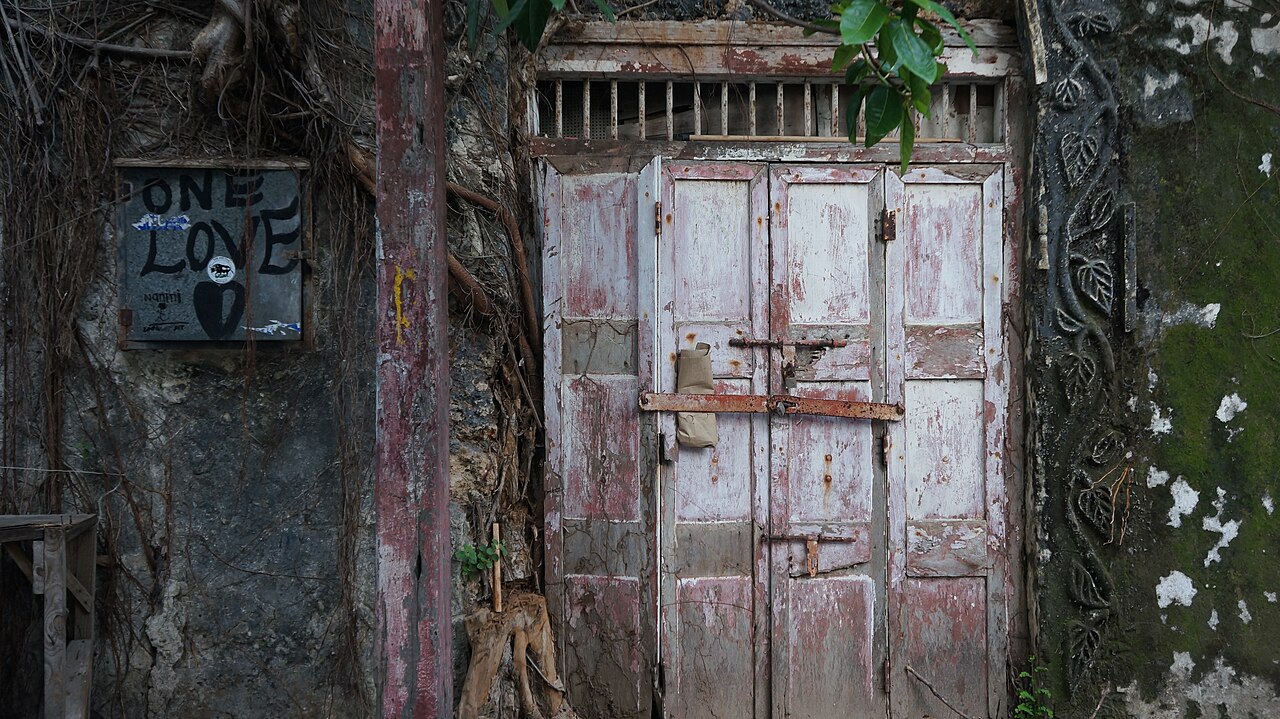
The limitation is simple: the island is not the place to book for a conventional resort holiday. You can visit the north-coast beaches, but each beach day becomes a road journey. Some streets are busy and noisy, and first-time visitors may feel more comfortable exploring Old Town with a knowledgeable guide who can explain the Swahili, Arab, Portuguese, Indian and British layers without reducing them to a list of dates. Read the detailed Mombasa Old Town guide before choosing a self-guided walk.
Nyali: the easiest all-round base for a first visit
Nyali sits north of the island, connected by the Nyali Bridge. It offers the strongest compromise for travellers who want a beach, restaurants and shopping without moving too far from the historic centre. You can plan an Old Town morning, return north for a late lunch, and still have a quieter evening than you would in the city centre.
Accommodation ranges from apartments and smaller hotels to established beach resorts. Voyager Beach Resort is one example on the ocean side of Nyali, while Tamarind Village sits by Tudor Creek. These are examples of location and property style, not blanket recommendations. Compare room configuration, meal plan, beach access and cancellation terms before choosing.
Nyali still feels urban. Properties described as being “in Nyali” can be inland, beside a creek or directly on the ocean, so check the map rather than relying on the area name. If stepping straight from the hotel grounds onto a broad resort beach is your main priority, Bamburi or Shanzu may be a clearer fit.

Bamburi: practical for resorts, families and marine activities
Bamburi is farther north along the Mombasa–Malindi road. It works well for families and travellers who expect to spend substantial time in a resort, at the beach or around Haller Park. Sarova Whitesands is a large resort on Bamburi Beach, and the surrounding area includes many other full-service and mid-range options.
The tradeoff is distance from the island. A single Fort Jesus day is easy to plan, but repeated trips south can become tiring when traffic is slow. Bamburi is a better base when your schedule gives the historic centre one focused day and keeps the rest of the holiday on the north coast.
Shanzu: quieter and more resort-led
Shanzu lies north of Bamburi and suits travellers who want the hotel to be a substantial part of the holiday. Serena Beach Resort and PrideInn Paradise are two contrasting examples of larger resort properties in this area. Shanzu can feel calmer than the busier parts of Nyali and Bamburi, particularly inside a beachfront property.
The farther north you stay, the more carefully you should group city activities. Book Shanzu for relaxation, not because it looks close to Fort Jesus on a zoomed-out map. Travellers catching an early train or making a south-coast transfer also need to allow more road time.
Next planning step
Choose the area before the hotel
Our accommodation guide compares the location, beach setting, property type and main limitation of each option. It is designed to narrow the list before you check live prices.
What should you actually do in Mombasa?
A strong first trip combines one historic day with one water or beach day. Add a nature stop or a slower neighbourhood day if you have more time. The aim is not to collect attractions. It is to see how the island, creeks and north coast fit together.
| Experience | Allow | Best planning approach | Guided or independent? |
|---|---|---|---|
| Fort Jesus and Old Town | 3 to 4 hours | Start in the cooler morning and keep the two together | The fort works independently; a qualified guide adds context in Old Town |
| Marine park | Half day | Confirm tide, visibility, inclusions and launch point | A boat operator is required; compare what the quoted price covers |
| Haller Park | 2 to 3 hours | Use the later afternoon, before last entry | Usually straightforward independently; confirm scheduled activities |
| Nyali or Bamburi beach | 2 hours to full day | Check tide and sea conditions, then protect valuables | Independent beach time is easy; use an operator for water activities |
| Central Mombasa route | 2 to 4 hours | Group the tusks, waterfront and nearby stops into one journey | Independent is possible; a guide helps with history and navigation |
1. Pair Fort Jesus with an Old Town walk
Fort Jesus is the clearest starting point for Mombasa’s history. The Portuguese built the fort at the end of the sixteenth century to control access to the Old Port, and later powers adapted it as control of the coast changed. The museum and architecture make more sense when followed by a walk through the adjoining Old Town, where carved doors, balconies, mosques, shops and homes show that the area is not an isolated monument.
Allow roughly two hours for the fort if you read the displays, then another one to two hours for Old Town. Go earlier in the day for lower heat and a more comfortable walk. Dress respectfully around residential and religious areas, ask before photographing people, and do not treat doorways or private courtyards as public photo sets.
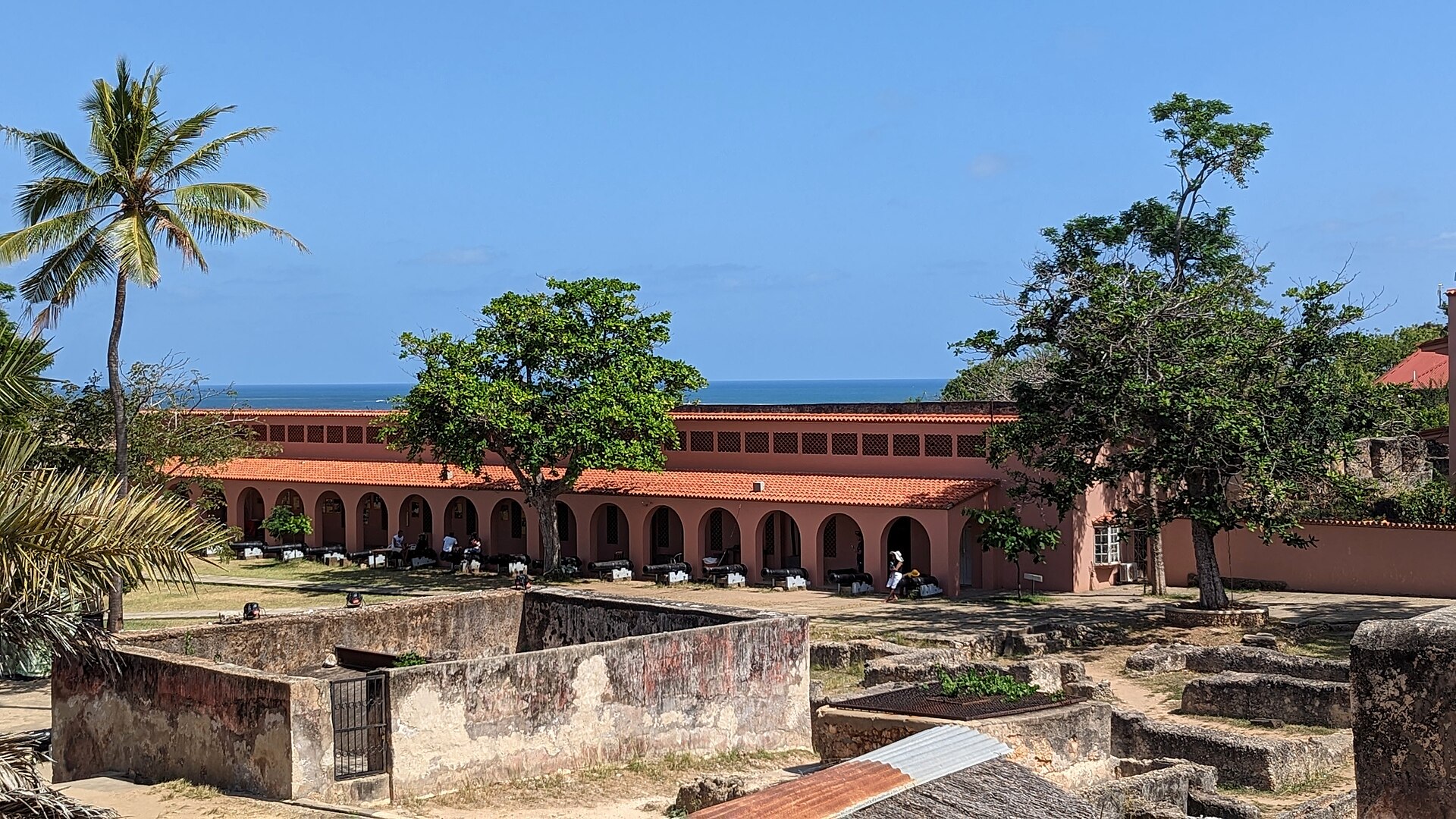
- Fort Jesus is open daily from 8:30 am to 5:30 pm, including public holidays.
- From 7 May 2026, adult entry is KES 550 for Kenya and East African citizens, USD 9 for residents and other African citizens, and USD 17 for foreign visitors from outside Africa.
- The National Museums of Kenya directs visitors to pay through eCitizen rather than cash.
Fees and procedures can change. Confirm them in the official National Museums of Kenya rates before visiting. Our Fort Jesus visitor guide explains tickets, timing and whether a guide is useful.
2. Snorkel or take a glass-bottom boat in the marine park
Mombasa Marine National Park protects reef and shallow-water habitats off the north coast. Visits commonly start by boat from the hotel and beach areas around Nyali, Bamburi and Shanzu. Snorkelling gives the closest look at the reef, while a glass-bottom boat can suit non-swimmers and mixed-age groups. Sea visibility and comfort depend on weather, tide and recent conditions, so ask the operator what is realistic that day.
Do not stand on coral, chase marine animals or take shells. Carry reef-conscious sun protection, drinking water in a reusable container and a dry bag for items that should not get wet. Single-use plastic is prohibited in Kenya’s protected areas.
- Kenya Wildlife Service lists park gate hours as 6:00 am to 6:00 pm.
- Current entry for an adult is KES 500 for East African citizens, KES 675 for Kenyan residents, USD 15 for other African citizens and USD 25 for non-residents.
- Boat, snorkelling and guide charges are separate from the conservation fee unless an operator clearly includes them.
Check the official KWS park page and read our planned Mombasa Marine Park guide before booking an excursion.
3. Visit Haller Park in the cooler part of the afternoon
Haller Park is a rehabilitated former limestone quarry in Bamburi, now managed as a nature and education park. It is a useful break from the beach and an easy addition for families staying on the north coast. The paths and habitats reward a slower visit more than a rushed photo stop.
Plan about two to three hours and aim for the later afternoon when possible, while still respecting the last-entry time. Wear closed or secure shoes, carry water and use insect repellent. Confirm any scheduled animal-feeding or guided activities directly with the park because programmes can change.

- Haller Park lists daily hours of 8:00 am to 5:00 pm, with last entry at 4:30 pm.
- The official price list effective 3 April 2025 shows KES 800 per East African resident adult and KES 2,200 per non-East African adult.
Confirm current prices on the official Haller Park website. The dedicated Haller Park guide will cover timing, children and accessibility in depth.
4. Choose a beach that matches the day you want
Nyali, Bamburi and Shanzu each provide public coastal access in places, but the experience varies by exact stretch, tide and neighbouring development. Nyali is convenient for a half-day around other city plans. Bamburi supports a busier resort and activity scene. Shanzu is a better match for travellers already staying in a north-coast resort.
Check tide and sea conditions before swimming. Use marked or supervised areas where available, and ask locally about currents rather than assuming a calm-looking surface is safe. Keep valuables out of sight and do not leave phones or bags unattended while swimming. Our Mombasa beaches comparison will help readers choose between Nyali, Bamburi and Shanzu without creating three thin, repetitive articles.
5. See the city beyond the resort road
Mama Ngina Waterfront, the Moi Avenue tusks and central streets provide a different view of Mombasa from the north-coast hotel corridor. These stops work best as part of a city route rather than as isolated taxi journeys. A guided city tour can add context and simplify navigation, but a tour is not essential for every traveller. Independent visitors who prepare their route, dress for heat and use reliable transport can cover the major public landmarks themselves.
The major sights are only a starting point. These secondary stops answer different needs, so choose one that fills a genuine gap in your itinerary rather than collecting them all.
| Additional stop | Best for | Allow | Cost and planning note |
|---|---|---|---|
| Bombolulu Workshops and Cultural Centre | Craft, artisan work and cultural context | 2 to 3 hours | Ask directly about current visitor hours, tours, shows and fees before travelling; programmes are not always available every day. |
| Nguuni Nature Sanctuary | A quiet nature walk or pre-booked sundowner | 2 to 3 hours | Its published gate fees are KES 500 per resident adult and KES 1,200 per non-resident adult; confirm rates and sundowner arrangements directly. |
| Wild Waters | Families and a dedicated waterpark day | Half to full day | The official site lists KES 1,800 for resident sliders, KES 2,000 for non-resident sliders and KES 400 for non-sliders. It normally opens Tuesday to Sunday, 10:00 am–6:00 pm; confirm before visiting. |
| Mama Ngina Waterfront | A breezy public-space stop and sunset | 1 to 2 hours | No admission ticket is normally required; budget for transport and food, and arrange your onward journey before dark. |
| Moi Avenue tusks | A quick city landmark photograph | 15 to 30 minutes | No admission fee. Treat it as part of a central-city route, not a standalone half-day attraction. |
Do not automatically combine Haller Park and Nguuni on a short first visit: both add a green break from the city, and the recent family report below found them too repetitive. For Wild Waters, verify current prices and hours on the official waterpark page.
What have recent visitors actually reported?
Visitor reports can expose small practical issues that official websites do not cover, but they are personal accounts rather than verified universal facts. We look for identifiable trip context, recent dates and useful detail, then compare the comments with official information. We also include critical opinions when they help a reader choose.
Bombolulu stood out, while two nature stops felt repetitive
After asking Reddit to review a five-day family itinerary, the traveller returned after the trip. They said they removed Nguuni Sanctuary because it felt too similar to Haller Park. They placed special emphasis on Bombolulu Workshops, calling it “absolutely worth it” for the guide and crafts made on site, even though a cultural show was unavailable.
What this changes: the five-day plan should not automatically stack Haller and Nguuni. Bombolulu deserves a proper place in the cultural options, subject to confirmed opening arrangements.
Transport comfort and payment did not always match expectations
The same traveller reported that premium app-based cars did not reliably provide air-conditioning, that an Old Town walking guide required a separate arrangement from their driver, and that card acceptance was broad in the places they used. They still recommended keeping cash for tips and understanding M-Pesa before relying on it.
What this changes: we describe app-based transport as convenient, not automatically comfortable, and tell readers to confirm who is authorised and included when arranging an Old Town tour.
One repeat visitor preferred the island to Nyali
In a discussion with another returning traveller, one commenter said they had considered Nyali but preferred staying on the island because of its food, people, culture and energy. That view runs against the simple advice that every first-time visitor should automatically stay in Nyali.
What this changes: Nyali remains the easiest all-round base, but the island is the stronger recommendation for travellers who actively want the city rather than a resort buffer.
A recent traveller liked Nyali Beach but preferred Diani overall
A recent Kenya trip report described central Mombasa as underwhelming, while saying nearby Nyali Beach was pleasant and presenting Diani as the stronger coast choice. It is only one opinion, but it represents an important traveller type: someone seeking a beach holiday more than an urban or historical experience.
What this changes: we do not sell Mombasa as the coast’s universal beach winner. Readers who primarily want a long resort beach should compare Diani before booking.
Where and what should you eat?
Mombasa’s food reflects Swahili coastal cooking alongside Indian, Arab and wider Kenyan influences. Look for dishes such as biryani, pilau, coconut-based fish or bean curries, viazi karai, bhajias, grilled seafood and fresh juices. Names alone are not enough: spice level, preparation and availability vary from one kitchen to another, so ask what is made that day.
Build meals around location rather than crossing the city for every restaurant. The full Mombasa restaurant guide will separate local-food stops, casual cafés, beach dining and special-occasion restaurants. For a first trip, these current examples show the range:
- Tamarind Mombasa: a waterfront, special-occasion restaurant on Tudor Creek with seafood and coastal-influenced dishes. The restaurant currently lists daily service from noon to 10:00 pm and recommends reservations during busy holiday periods. Choose it for the setting and a planned lunch or dinner, not for a quick low-cost meal.
- Cafesserie Mombasa: a broad-menu café and bakery at City Mall in Nyali, useful for breakfast, coffee or an easy meal when a group wants different options. Its official site lists early opening and late closing, but check the current day’s hours before travelling.
- Old Town and central Mombasa: the right area to look for Swahili snacks, biryani, tea and juices. A guide is useful if food history is the point of the outing. If you explore independently, choose a busy establishment, confirm prices before ordering and respect that many venues are simple local businesses rather than visitor attractions.
- Hotel and beach restaurants: convenient when you want sea views or do not want to travel after dark. Check whether non-residents need a reservation or day access, and compare menu prices before making a hotel restaurant the default for every meal.
Reddit restaurant discussions are notably divided. In one 2024 thread, Cafesserie received enthusiastic support, while other contributors argued that some highly photographed cafés were overpriced and directed readers towards smaller barbecue and biryani businesses. Even individual biryani recommendations produced opposing responses. That disagreement is useful: the future restaurant guide should organise choices by dish, atmosphere and budget instead of pretending there is one objective ranking. Read the full local restaurant discussion.
Travellers with allergies should explain the ingredient and the consequence clearly. Coconut, peanuts, sesame, dairy and seafood can appear in sauces or shared preparation areas. “Vegetarian” does not always answer questions about stock, cross-contact or allergies, so ask specifically.
What is Mombasa like after dark?
Mombasa evenings range from a quiet meal beside the ocean to late music in Nyali and Mtwapa. The useful question is not which club is “best”, but whether you want dinner, a lounge atmosphere, live entertainment or a late night, and how you will get back.
- Nyali for dinner that can become a night out: the area has the easiest concentration of restaurants, lounges and music venues for most first-time visitors. Tapas Gold is one current example combining dinner, cocktails, sports screenings and DJ-led evenings. Check the venue’s own programme rather than assuming the same format every night.
- Bamburi for a beachfront evening: restaurants along the resort strip suit travellers who want a meal and drinks without going far inland. Yul’s, beside Bamburi Beach Hotel, currently describes a restaurant, ice-cream service and a beachside cocktail bar. Confirm closing time and any event before making a special journey.
- Mtwapa for a later, livelier night: Mtwapa is north of Shanzu and is known for nightlife, but it is not a convenient walk from the main Mombasa bases. Arrange a door-to-door ride in both directions and do not choose a Mtwapa base if quiet nights are important.
- Your hotel for the least complicated option: a resort bar, dinner or scheduled entertainment may be the better choice after a full sightseeing day. Ask what is included in the meal plan and whether entertainment is open to non-residents.
How many days do you need in Mombasa?
Two days is enough for a focused city break. Three days covers the essentials without forcing the marine park and Old Town into one rushed day. Five days supports a true city-and-beach holiday.
Culture plus one coast day
Day one: Fort Jesus early, Old Town with lunch, then the waterfront or a return to Nyali.
Day two: marine park if conditions suit, or a beach morning and Haller Park later.
The balanced first visit
Day one: Fort Jesus, Old Town and central Mombasa.
Day two: marine park or beach, with an unhurried evening meal.
Day three: Haller Park, Nyali and spare time for weather changes.
A slower beach holiday
Use the three-day plan, then add a full resort or beach day and one flexible day for a food tour, creek experience, extra water activity or rest.
If Diani is part of the same holiday, treat it as a change of base rather than a casual cross-city outing. The Likoni ferry and road journey make repeated day trips inefficient. Use the Mombasa to Diani transport guide to compare ferry-side road transfers with other practical options. For a day-by-day plan with wet-weather alternatives, see the three and five-day Mombasa itinerary.
When is the best time to visit?
Mombasa is warm throughout the year, but rainfall, humidity, sea conditions and holiday demand change the experience. January to March is often hot and comparatively dry. The main wetter period usually falls from April into June, while July to October tends to feel cooler and drier. Shorter rains can affect parts of October through December, although the timing and intensity vary from year to year.
There is no single month that is best for everyone. Beach-focused travellers may value drier conditions. Visitors sensitive to heat may prefer the cooler middle of the year. Travellers considering lower-demand periods should compare flexible bookings against the possibility of rain rather than assuming every wet-season day is washed out.
School holidays, Christmas and New Year can increase demand. Check both weather and room availability before fixing transport. The Mombasa weather by month guide will provide the fuller month-by-month decision table. Always check a current forecast close to departure, especially for marine activities.
What should international visitors prepare before travelling?
Entry and health rules can change faster than a destination guide. Use this as a checklist, then confirm every requirement through the linked official source for your nationality, residence and route.
- Passport: check that it is valid for at least six months from arrival and has the required blank pages. Kenya Immigration explains the document checks on its official arrival-procedures page.
- Kenya eTA or an applicable exemption: most foreign visitors, including children, need approval before travel. Apply only through the official Kenya eTA website; do not use a similarly named third-party application site. Kenya’s immigration service says processing normally takes up to three working days, but applying earlier leaves time to correct a problem.
- Journey evidence: keep your accommodation details, itinerary and onward or return booking accessible in case an airline or border officer asks for them.
- Health documents: yellow-fever certificate requirements depend on age and where you arrive from or transit. Check current official public-health guidance and speak to a qualified travel-health professional rather than relying on a general article.
- Insurance and payment backup: carry suitable travel insurance, a payment card that works internationally, some Kenyan shillings for small purchases and copies of key documents stored separately.
- Phone access: an unlocked phone, roaming plan or local SIM makes ride-hailing, map use and accommodation contact easier. Do not assume an international visitor will have M-Pesa immediately.
The Kenya Directorate of Immigration eTA page should be the final authority for the application route and current processing guidance.
How do you get to Mombasa and move around?
From Nairobi, the practical choice is usually between the SGR train, an intercity coach such as Tahmeed or Mash Poa, and a flight. Compare the whole journey, not just time in the seat, and recheck the live fare for your date before paying.
| Mode from Nairobi | Typical journey | Indicative one-way fare | Main tradeoff |
|---|---|---|---|
| SGR train | About 5½ to 6 hours, plus station transfers and early arrival | KES 1,500 economy; KES 4,500 first class; KES 12,000 premium | Predictable and spacious, but both termini are outside the city centres. |
| Intercity coach | Usually 8 to 10 hours; road conditions, traffic and stops can extend it | Roughly KES 1,500–2,000 on current public route listings; class and date matter | Central boarding and overnight options can be convenient, but ride quality and arrival time vary. |
| Flight | About 1 hour in the air, plus airport travel and check-in | Dynamic; compare the final fare including baggage and transfers | Fastest line-haul option, often the most expensive after extras. |
| Self-drive | Often 8 to 10+ hours without a long stop | Fuel, vehicle, toll/parking and one-way costs vary | Flexible for an onward road trip, but tiring and sensitive to traffic. |
By train from Nairobi
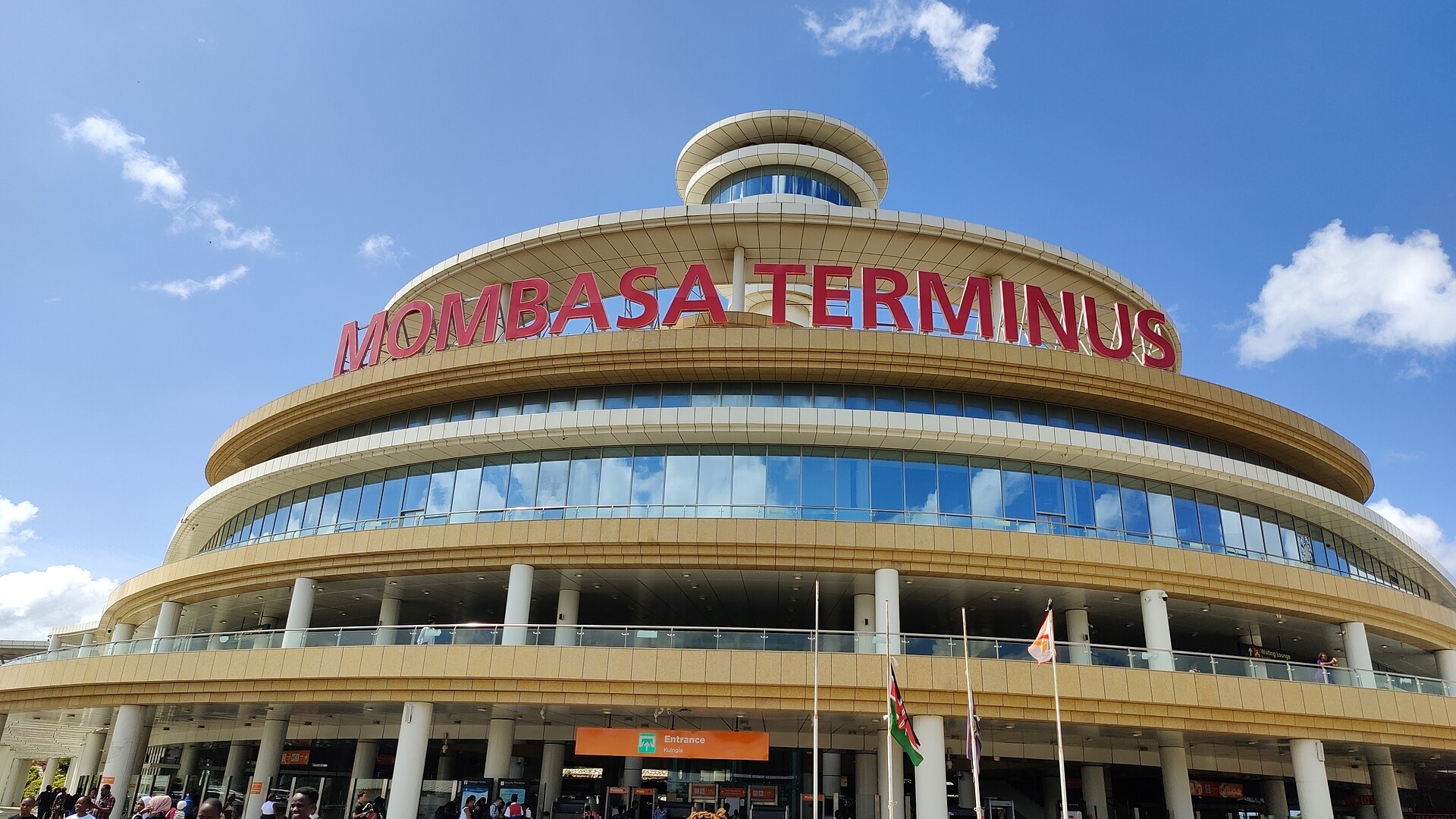
The Madaraka Express is a practical option for travellers who value a predictable rail journey and can manage transfers at both ends. Mombasa Terminus is at Miritini, outside the central island and north-coast hotel areas, so the train ticket is not the full journey. Arrange a pickup or allow time to find onward transport after arrival.
Kenya Railways currently lists three daily services in each direction: an 8:00 am inter-county train, a 3:00 pm afternoon express and a 10:00 pm night service. The published Nairobi to Mombasa journey times are about five and a half to six hours, depending on the service. Passengers should arrive at least 60 minutes before departure, and platform gates close ten minutes before departure.
The official one-way Nairobi–Mombasa fares are KES 1,500 in economy, KES 4,500 in first class and KES 12,000 in premium class. A seat upgrade does not remove the need for transfers. Tickets can be purchased online, at the station or through Safaricom USSD, and Kenya Railways says bookings open up to 60 days ahead. Confirm schedules and fares on the official Kenya Railways passenger page, then use our Nairobi to Mombasa SGR guide for seat classes, luggage and station transfers.
By intercity bus or coach
Yes, bus is a genuine Nairobi–Mombasa option. Tahmeed, Mash Poa, Coast Bus, Dreamline and ENA are among the operators serving the coast, with both daytime and overnight departures depending on the company and date. A coach commonly takes about eight to ten hours, but congestion, roadworks and stops can push the arrival later.
Current public listings place a standard Nairobi–Mombasa coach seat at roughly KES 1,500 to KES 2,000. Tahmeed route listings commonly start around KES 1,500, while ENA currently publishes KES 2,000 for its day and night service. Treat these as planning figures, not guaranteed quotes: the exact departure, seat class, demand and fuel-price changes affect the checkout price.
Tahmeed’s main booking site lists both Nairobi and Mombasa among its routes, while Mash Poa’s official booking site lists Nairobi–Mombasa in both directions. Use an operator’s confirmed website, app or physical office rather than paying through an imitation booking page or an unsolicited WhatsApp number. Verify the exact Nairobi boarding office, Mombasa arrival office, luggage allowance and whether the ticket is standard, business or VIP before paying.
A day coach lets you see the route but uses most of a sightseeing day. An overnight coach can save daytime and one hotel night, although it is a poor trade if you do not sleep well on buses or arrive too early to check in. Keep valuables and medication in your hand luggage, obtain a luggage tag where used, and arrange the final ride from the Mombasa office to your accommodation before a very early or late arrival. Our planned Nairobi to Mombasa bus guide will own the live operator, office, timetable and seat-class comparison so this destination guide does not become a duplicate booking page.
By air
Moi International Airport serves Mombasa. Flying saves line-haul time from Nairobi, but compare the complete door-to-door journey: travel to the departure airport, check-in, the flight and the transfer from Mombasa airport to your hotel. An evening arrival is easier when the hotel transfer is agreed in advance, particularly for a first visit.
Getting around the city
App-based taxis, pre-arranged hotel vehicles, conventional taxis, tuk-tuks and matatus all operate in Mombasa, but their usefulness changes by route and traveller. App-based or pre-arranged transport is the simplest starting point for visitors with luggage, children or evening journeys. Tuk-tuks work well for shorter urban trips where they operate. Matatus cost less but require more route knowledge and are not convenient with large bags.
Ask the driver to confirm the destination before departure and follow the route on your phone when possible. Build buffer time around the Nyali Bridge, island approaches and journeys toward Likoni. Distance alone is a poor predictor of travel time in city traffic.
Kenya Railways also operates a Mombasa commuter service between the Miritini terminus and the central business district. Its official page lists a KES 50 fare and a journey of about 35 minutes, but the connection may not suit every hotel or train arrival. Confirm the current timetable before relying on it.
What will shape your Mombasa budget?
A single daily budget is misleading because accommodation and meal plans vary widely. A more useful approach is to identify the decisions that move the total:
- Area: a north-coast resort can reduce daily transport for beach time but increase the cost of city sightseeing transfers.
- Meal plan: half-board or all-inclusive can make sense when a property is isolated or the group prefers to stay on site. Room-only gives more freedom in Nyali or on the island.
- Marine activities: conservation fees, boat transport, equipment and guiding may be priced separately. Ask for an itemised total.
- Private transport: airport, SGR and cross-city transfers add up, especially for solo travellers. Families may find a single vehicle more efficient.
- Holiday dates: room rates and minimum-stay rules can shift during Kenyan school breaks and year-end holidays.
Keep Kenyan shillings for small purchases and transport situations where cards are not practical. Mobile money is widely used, but international visitors should not assume they will have a functioning local mobile-money account immediately. Confirm payment methods with each hotel or operator, and use an official payment channel for government attractions.
What should you know before you go?
Heat, clothing and sun
Use light, breathable clothing and carry water. Add shoulder and knee coverage for Old Town religious sites and conservative public settings. A hat and high-protection sunscreen matter even on hazy days. For reef visits, use sun protection that does not encourage damage to marine habitats and avoid touching or standing on coral.
Safety and valuables
Mombasa is a large city, so use ordinary urban precautions. Keep phones and jewellery discreet in crowded areas, use reliable transport after dark, avoid isolated beach stretches and ask your accommodation about the immediate neighbourhood. Carry a copy of essential documents separately from the originals. For current official travel advisories and local security information, check close to departure rather than relying on an evergreen article. See our practical Mombasa safety guide for transport, beaches, nightlife and emergency preparation.
Water, food and health preparation
Use water you know is safe to drink and take care with food storage in the heat. Travellers with medical conditions should carry enough prescribed medication and appropriate documentation. Health requirements and disease guidance can change, so consult a qualified travel-health professional and official public-health sources before the trip rather than taking medical advice from a hotel listicle.
Respect for a living coast city
Ask permission before photographing people, buy directly from artisans where practical and avoid wildlife interactions built around handling or distress. In Old Town, keep voices and clothing respectful around homes and places of worship. At the beach, take rubbish away and follow protected-area rules. Tourism is more useful to the destination when the traveller’s convenience does not override local privacy or conservation.
Frequently asked questions
Is Mombasa a beach destination or a city break?
It is both, but the balance depends on where you stay. Mombasa Island works as a culture and city base. Nyali combines urban convenience with a beach. Bamburi and Shanzu are better suited to resort-led holidays.
Is Nyali or Bamburi better for a first visit?
Nyali is usually the easier all-round choice for a first visit because restaurants, shopping, beaches and the island are reasonably accessible. Bamburi is stronger when a larger resort, family facilities and beach time are the priorities. Neither is universally better.
Can you visit Fort Jesus and the marine park on the same day?
It is possible, but it is rarely the best use of a first visit. Marine conditions and boat timing are easier to manage in a dedicated morning, while Fort Jesus and Old Town deserve a separate half or full day. Combining them adds cross-city transport and creates a rushed experience.
Do you need a car in Mombasa?
No. Most short-stay visitors can use pre-arranged or app-based taxis and occasional tuk-tuks. A private vehicle can be useful for families, repeated cross-city trips or onward coast travel, but parking and traffic reduce its advantage in the historic centre.
Should you stay in Mombasa and day-trip to Diani?
One long day is possible, but moving to Diani is usually better if you want meaningful beach time there. The island approach, Likoni crossing and onward road journey make repeated day trips inefficient and sensitive to queues.
How this guide was researched
We check official attraction, transport, hotel and restaurant sources before recommending a plan. Time-sensitive facts link to their original source so readers can confirm the latest position. Hotel examples explain area and property style; they are not based on a claim that every property was personally visited.
Found an outdated fee, closed venue or practical detail we should revisit? Send a correction.
Affiliate disclosure
Some accommodation and activity links on Mombasa Rentals may be affiliate links. If you book through one, we may earn a commission at no extra cost to you. Our recommendations and explanations are based on independent research, and payment does not buy a favourable placement. This preview does not yet contain affiliate booking links.