
Watamu travel guide
Watamu Travel Guide: Beaches, Marine Life, Hotels and Day Trips
Choose Watamu when the holiday should revolve around a reef-protected coast, tidal bays, marine conservation, Mida Creek and Gedi's Swahili history. It suits travellers who want a smaller beach base than Mombasa and a different shape of trip from Diani. Four full days are enough for one marine outing, Gedi, Mida Creek and beach time; five to seven nights create the flexibility that weather and tides deserve.
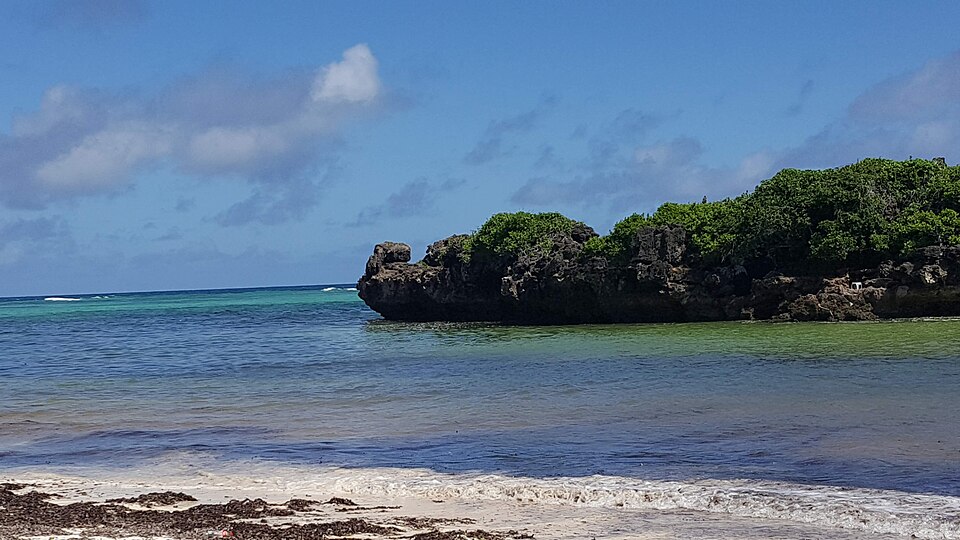
Watamu is not one continuous, identical beachfront. A hotel can face Turtle Bay, Watamu Bay, a smaller cove, a tidal reef or Mida Creek. The right base depends on whether you want straightforward resort facilities, a lively village position, a particular swimming beach or mangrove quiet. Start with the water and location, then compare the room.
Watamu at a glance
| Best reason to visit | What makes it work | Main trade-off |
|---|---|---|
| Snorkelling and diving | Watamu Marine National Park protects reef, lagoon and marine habitats | Visibility, wind, tide and sightings change by day |
| A beach-and-nature holiday | Mida Creek and Arabuko-Sokoke add mangrove and forest ecosystems | Each needs its own timing and responsible guide |
| Swahili coast history | Gedi is close enough for a half-day visit | The site deserves context, not a rushed photo stop |
| Family resort stay | All-inclusive, suite and villa choices can simplify the week | Room type, beach state and children's facilities vary by property |
| Couples and slower travel | Smaller bays, boutique stays and creek sunsets can feel intimate | Dinner and evening transport require planning |
| Safari followed by beach | Flights into Malindi and road connections from Mombasa make combinations possible | A tight transfer can waste the first or last beach day |
Watamu is a strong fit for travellers happy to plan around natural systems. It is less suitable for someone who expects deep-water swimming immediately in front of every hotel at every tide, guaranteed dolphin encounters or a large urban nightlife district.
How Watamu is laid out
The destination combines village streets, a series of ocean bays, resort grounds and a creek landscape south of the centre. Two properties described as “Watamu beachfront” may deliver very different daily experiences.
| Area or setting | Character | Best for | Question to ask before booking |
|---|---|---|---|
| Watamu village and central roads | Closest to shops, cafés, transport and daily activity | Independent travellers and shorter stays | How noisy is this exact room and is the beach walk comfortable? |
| Watamu Bay | Curved bay with a mix of local activity and accommodation | Travellers who want beach and village access | What happens to swimming space at low tide? |
| Turtle Bay | Resort-led stretch beside the marine protected area | Families, water activities and easier hotel planning | Are the stated water sports and beach facilities included now? |
| Blue Lagoon and smaller coves | Scenic, compact beach sections | Couples and travellers choosing for a particular view | Is beach access private, public or across another property? |
| Garoda and southern ocean side | Quieter-feeling sections toward Mida Creek | Beach time, villas and water sports | How far are restaurants and what transport is available after dark? |
| Mida Creek side | Mangroves, mudflats, birding and sunsets rather than open ocean | Nature stays and quiet evenings | How will you reach an ocean beach and village restaurants? |
| Jacaranda side and northern stretches | More separated from central Watamu | Travellers prioritising a specific resort or beach | What is the actual road time into the village? |
Do not assume “near Watamu” means walkable. Ask for the exact pin, property entrance and realistic tuk-tuk or taxi time. Beach walking is tide-dependent and not an appropriate default after dark.
Watamu's beaches: choose by the day you want
The shore changes through the tidal cycle. At low tide, reef flats, sandbanks, pools and exposed rock can become the main landscape. At higher tide, water can cover areas that looked walkable a few hours earlier. Neither state is inherently better.
| You want | Look for | Trade-off to accept |
|---|---|---|
| Easy beach-and-pool resort day | Property with direct managed access, shade, loungers and a pool fallback | The beach can still be shallow, windy or seaweed-affected |
| Long shoreline walks | Broad sand at the tide stage relevant to your visit | Return routes change as water rises |
| Natural pools and reef observation | Guided low-tide experience where permitted | Footwear, coral care and tide timing matter |
| Kitesurfing or other wind sport | Qualified school operating from a suitable beach section | Ideal wind for riders may be less pleasant for casual swimming |
| Quiet cove appearance | Small bay or property chosen for its exact frontage | Limited space and access can feel different at a busy tide |
| Mangrove and bird habitat | Mida Creek, not an ocean-beach promise | Swimming and open-sea views are not the point |
Seaweed is natural and variable. It moves with season, wind, currents and storms, and can accumulate differently within the same week. Ask a hotel for recent dated information about its exact frontage and whether it clears only the managed section. A photograph with clean sand does not prove year-round conditions.
When to visit Watamu
Watamu is warm throughout the year, but rainfall, humidity, wind and sea conditions vary. January and February are common starting points for a hotter, relatively drier beach trip. July through September can feel cooler and breezier. April and May carry greater long-rains risk, while October and November can be changeable around the shorter rains.
These labels are not forecasts. A rainy-period visit can contain long bright intervals, and a dry-period trip can still meet rough water or rain. Check Kenya Meteorological Department forecasts near travel and ask the marine operator about actual sea conditions.
| Travel period | Likely planning advantage | Main risk | Best booking response |
|---|---|---|---|
| January to March | Hot beach weather and strong demand for marine holidays | Heat, sun exposure and peak rates | Reserve the preferred room, keep water activities flexible |
| April to May | Quieter stay and possible room value | Heavy rain, humidity and excursion disruption | Choose covered facilities and refundable terms |
| June | Transition toward cooler, breezier conditions | Weather and sea pattern can still shift | Avoid a schedule with no spare day |
| July to September | Comfortable air for forest, ruins and safari combinations | Wind, cloud and seasonal seaweed can affect the beach | Ask about exact frontage and current water conditions |
| October to November | Warm shoulder period | Short-rain variability | Place weather-sensitive activities early in the stay |
| December | Hot conditions and festive atmosphere | Christmas demand and compulsory supplements | Compare minimum stays and final total cost |
For monthly rainfall figures, monsoon winds, sea conditions and the exact checks to make before a boat trip, use the Watamu weather-by-month guide.
The daily tide can change the beach more visibly than the monthly air temperature. Obtain a reliable tide time, but still follow local safety advice because wind and current are separate factors.
Getting to Watamu
Malindi Airport is the closest scheduled airport for many visitors. Mombasa's Moi International Airport and the Mombasa SGR terminus offer more connections but require a substantially longer northbound road transfer. The best route is the one that works door to door, not the cheapest single ticket.
| Arrival route | Strongest reason to choose it | Hidden step | What to confirm |
|---|---|---|---|
| Flight to Malindi Airport | Shortest normal airport transfer to Watamu | Limited schedule and airline-specific baggage | Flight date, operating airport, bags and hotel transfer |
| Flight to Mombasa Airport | Broader domestic and international connectivity | Long road transfer through or around Mombasa | Total driving time at arrival hour and final price |
| SGR to Mombasa Terminus | Rail experience and possible family value | Miritini is not Watamu or central Mombasa | Prearranged Watamu transfer and complete door-to-door time |
| Long-distance coach to Malindi | Can suit a budget route from another city | Final Malindi-to-Watamu leg | Operator's current stop, luggage and arrival time |
| Private road transfer | Door-to-door control and group convenience | Traffic, fatigue and vehicle quality | Licensed driver, vehicle, rest plan and night-driving decision |
| Safari flight or road combination | Connects wildlife and coast efficiently | Airstrip routing or a long road day | Baggage, stops, ticket protection and hotel arrival time |
For a public-transport journey, a long-distance coach or matatu may reach Malindi or the Gedi junction, followed by a local vehicle into Watamu. Routes, boarding points and fares change. Confirm them locally and avoid arriving at an unfamiliar roadside point after dark.
Ask a hotel transfer whether the price is per vehicle or per person, which airport or station it covers, whether waiting after a delay is included, and whether the driver has the exact property entrance. A private villa also needs a key-handover plan.
Where to stay in Watamu
Choose the area and property style before comparing brand names. A full-service resort works well when meals, pool and children's activities should be simple. A suite property gives more living space. A smaller beach hotel can feel sociable and local. A creek lodge exchanges open-ocean access for mangrove quiet.
| Stay style | Who it suits | Main limitation to check |
|---|---|---|
| All-inclusive beach club | Families and travellers who want predictable meals and activities | What is truly included and whether the programme matches the age group |
| Upper-upscale beachfront hotel | Couples, families and special occasions | Final price, beach conditions and formality |
| Suite or residence-style resort | Families and longer stays wanting space | Stairs, open-plan design, kitchen access and meal variety |
| Small established beach hotel | Travellers who prefer a relaxed social atmosphere | Room modernity, Wi-Fi, events and accessibility |
| Private villa | Groups wanting privacy and kitchen flexibility | Staff, groceries, security, power, pool fencing and transport |
| Mida Creek lodge | Birders, paddlers and quiet-stay travellers | Distance from the ocean, mosquitoes and evening dining |
The examples below are not a complete hotel ranking. They show different stay decisions and include property-specific visitor evidence. A report describes one trip, not every room or future stay.
Hemingways Watamu: larger upscale beachfront stay
Hemingways suits travellers comparing an established upper-upscale hotel, suites, pools, restaurants and direct ocean views. Its own material presents marine and local activities, but the exact room, meal plan and beach conditions still need checking.
An August 2026 family staying in a two-bedroom suite praised the space, ground-floor deck, food variety and service. The same reviewer found beach access unfavourable and reported substantial seaweed as the tide rose, while explicitly separating that natural condition from hotel quality. Another August family likewise praised Wi-Fi, pools, food and staff but said the beach was effectively unusable during that stay because of seaweed.
A separate August 2026 couple dining at the property alleged poor information and staff training after being told an à la carte option was unavailable while another table ordered it. Management apologised and said the incident would be addressed. This is one service failure and response, not proof of a property-wide decline.
Check before booking: exact suite position, stairs, meal-plan restaurants, current beach state, seaweed, children's arrangements and whether the rate includes every tax and transfer.
Source: Hemingways Watamu visitor reports.
Turtle Bay Beach Club: all-inclusive convenience
Turtle Bay is relevant when all-inclusive meals, a programme and a family-oriented beach club are more important than boutique quiet. Verify the current inclusion list rather than relying on the hotel name or an old package description.
An April 2026 guest praised staff, cleanliness, food, room space and the beach while wishing the room had a small fridge. A March 2026 guest raised a more consequential issue: the website had stated that water sports were included, but the offering had changed without the page being updated. That report should become a precise prepayment question, not a permanent claim that activities are excluded.
Check before booking: room category, fridge, air conditioning, current all-inclusive hours, named water sports, equipment, lesson charges, children's club ages and what happens when sea conditions stop an activity.
Source: Turtle Bay Beach Club visitor reports.
Medina Palms: suite space and a quieter resort style
Medina Palms suits families or couples wanting suites, pools and a quieter atmosphere. Its accommodation formats vary, so a generic “suite” label is not enough for a mobility need or a family wanting separate bedrooms.
A July 2026 visitor praised the peaceful, maintained grounds, staff and varied food. A February 2026 family liked the rooms but criticised the limited number of beach umbrellas and loungers for the apparent occupancy, and found the à la carte menu repetitive enough to eat out twice. An earlier July group praised the site but objected to strict facility closing times and weak response to a large party. These reports indicate questions about beach capacity, meal repetition and group fit, not guaranteed problems.
Check before booking: exact layout and levels, lift or stair dependence, kitchen equipment, restaurant rotation, beach shade, pool hours and how a large group will be seated.
Source: Medina Palms visitor reports.
Ocean Sports Resort: relaxed social character
Ocean Sports is relevant to travellers who value an established, informal beach-club atmosphere over every modern hotel feature. Room category matters because “simple” can be charming to one guest and under-equipped to another.
A December 2025 group praised staff, food, atmosphere, clean rooms, mosquito nets and air conditioning, but said Wi-Fi was unavailable in the rooms. A February 2026 repeat guest loved the beach, open-plan social areas and staff but said the new pool lacked handrails, which would deter a traveller unsteady on their feet. August 2026 visitors praised space, cleanliness and staff while noting that the sea was not ideal for swimming and using the pools instead.
Check before booking: in-room Wi-Fi, current room refurbishment, step-free route, pool handrails, evening events, beach conditions and whether the chosen category matches the photographs.
Source: Ocean Sports Resort visitor reports.
For a fuller area and hotel comparison, continue to where to stay in Watamu.
What to do in Watamu
1. Watamu Marine National Park
The marine park is the central reason to choose Watamu. Kenya Wildlife Service describes reef, seagrass, lagoon and marine-animal habitats. A visit may involve a glass-bottom boat, snorkelling or diving, but a boat fee and park entry are not necessarily the same charge.
Before agreeing to a trip, ask who operates the boat, whether the crew is authorised, which KWS entry category applies, what safety equipment is carried, whether masks and fins fit, how many passengers join, where lunch occurs and what happens if wind or visibility deteriorates. A dolphin or turtle sighting is never guaranteed.
Recent visitor reports contain both success and limitation. A January 2026 Tripadvisor visitor described clear water and plentiful fish but reported a severe sunburn, making a rash vest and repeated sunscreen practical rather than cosmetic. A March 2026 visitor found marine life rewarding but said the weather was unsuitable for dolphins. A December 2025 family thought the combined price excessive for an average dive, despite liking the coral. These are individual reactions, but they show why inclusions, conditions and expectations must be clear.
Source: Watamu Marine National Park visitor reports.
2. Mida Creek
Mida Creek is a tidal mangrove ecosystem, not simply a sunset backdrop. Experiences can include a boardwalk, canoe or dhow outing, birding and a community-supported meal. The tide affects when channels, mudflats and wildlife observation are most interesting or navigable.
Choose a guide who explains mangrove ecology and community benefit, not only the photograph stop. Ask how long the walk or boat section lasts, whether a life jacket is supplied, what happens in rain, whether the outing returns after dark and what the fee supports. Keep respectful distance from wildlife and do not leave litter in the creek.
A July 2026 Reddit visitor described a combined marine and creek day positively and particularly liked the canoe section, calling it the more authentic part of the experience. The same post quoted a trip price, but it is one negotiated account with unclear group size and inclusions, so it is not used here as a public rate.
The future Mida Creek guide will handle boardwalk, canoe and sunset choices without duplicating the whole Watamu guide.
3. Gedi ruins and museum
The place is commonly written as Gede, while the current National Museums of Kenya and UNESCO wording uses Gedi for the World Heritage property. National Museums of Kenya describes a Swahili town with mosques, houses, a palace and evidence of Indian Ocean trade.
The official page currently contains two different hour ranges in separate sections, and directs visitors to obtain admission through eCitizen. That inconsistency should be resolved before departure. Go early for cooler conditions, use a knowledgeable guide if historical context matters, and do not feed or approach monkeys.
The ruins deserve at least a focused half day. They correct the idea that the Kenyan coast is only a line of beaches and resorts. Questions about chronology and abandonment should be presented as archaeological interpretation, not a ghost story stated as fact.
For the detailed history, ticket and transport plan, use the future Gedi ruins visitor guide.
4. Arabuko-Sokoke Forest
Arabuko-Sokoke is a major coastal forest for birding, walking and habitat diversity. Kenya Forest Service says trained guides are available, some tracks can be reached by saloon car and a four-wheel-drive vehicle improves access to the full network. It also advises asking directly for current fees.
Go early if birds and wildlife are the priority, carry water and explain mobility needs before choosing a trail. Rare-species lists describe possibility, not a sighting promise. An unguided scenic drive and a specialist birding walk are different products.
The future Arabuko-Sokoke Forest guide will compare entrances, walks, drives and guide questions.
5. Local Ocean Conservation
Local Ocean Conservation runs bookable education visits at its Marine Information Centre and rehabilitation facility. Its page states clearly that a turtle may not be present because patients are released when healthy. That is the correct welfare priority.
A July 2024 family report praised the educational tour even though no sick turtle was at the centre. The absence was seen as fortunate rather than a failed attraction. This is a useful test for responsible tourism: the visit should be worthwhile for learning, not dependent on an animal remaining in care for a photograph.
Book through the organisation's official channel, arrive at the stated time and verify the current donation and closure days. Do not expect a nesting event or release on demand.
Source: Local Ocean Conservation visitor reports.
6. Bio-Ken and reptile education
Bio-Ken is relevant to travellers interested in snakes, snakebite education and reptile biology. Verify its current visitor hours, fee and exact programme directly. Do not handle wildlife outside staff-controlled conditions, and supervise children closely.
This is an educational visit, not a reason to approach snakes elsewhere. If a bite occurs, seek urgent professional medical care rather than trying a remedy described by an unverified guide.
7. Malindi, Marafa and longer day trips
Malindi can add the Vasco da Gama Pillar, town services and a different coastal atmosphere. Marafa, often marketed as Hell's Kitchen, is farther inland and exposed to heat. Each deserves realistic road time.
A Tsavo safari from Watamu is possible, but calling it a casual day trip understates the early departure and time in a vehicle. An overnight or multi-day safari usually creates a more reasonable wildlife experience. Confirm park entry, vehicle, licensed guide, meals and cancellation directly.
A realistic Watamu itinerary
| Day | Morning | Afternoon or evening | Why this pace works |
|---|---|---|---|
| Arrival | Transfer and check-in | Inspect the exact beach and learn the tide | Avoids paying for an activity before understanding the area |
| Day 2 | Marine park snorkelling or diving | Pool, beach rest and nearby dinner | Places the most weather-sensitive activity early enough to move |
| Day 3 | Gedi ruins | Village meal or Local Ocean visit if timing works | Combines history with a lighter second activity |
| Day 4 | Arabuko-Sokoke with a guide | Rest, then simple dinner | Uses cooler morning hours for the forest |
| Day 5 | Slow beach morning | Mida Creek timed for tide and sunset | Protects the creek from being squeezed behind another tour |
| Day 6 | Spare marine or weather day | Favourite beach or café | Absorbs cancellation without losing the main experience |
| Departure | Unhurried breakfast | Airport or station transfer | Avoids a distant activity before transport |
For four nights, choose the marine park plus either Gedi or Mida Creek rather than rushing all three. For seven nights, keep one genuinely free day. A holiday with a safari immediately before Watamu benefits from a simple first day rather than another dawn departure.
Food and evening planning
Watamu's food combines Kenyan and Swahili coastal dishes, seafood and a visible Italian influence. Resort restaurants can simplify a short stay, while independent cafés, pizzerias and creek-side venues add variety.
| Meal decision | What to ask | Why it matters |
|---|---|---|
| Whole fish, crab or lobster | Is the price per item, portion, 100 grams or kilogram? | Seafood units can change the final bill dramatically |
| Hotel half-board | Which restaurants and menu sections are included? | A resort may charge supplements outside the main dining room |
| Vegetarian or vegan meal | Are stock, ghee, dairy, egg and shared fryers involved? | A menu icon is not an allergy process |
| Halal requirement | How are meat, alcohol and kitchen separation handled? | Do not assume one practice for the whole town |
| Distant dinner | Who will drive back, at what time and total fare? | Beaches and some roads are not suitable default walks after dark |
| Creek sunset meal | What happens in rain and how is the return organised? | Tide and darkness affect the experience |
Ask what is fresh and available that day. Do not equate proximity to the ocean with safe handling or sustainable sourcing. The Watamu restaurant guide will compare named venues with attributable positive and critical reports.
Money, booking and practical travel
Carry more than one payment method. M-Pesa is widely used in Kenya, but an international visitor may not have a local account, and card acceptance or connectivity can fail. Use Kenyan shillings for small local purchases where practical and obtain cash through a secure channel.
For a boat, guide or transfer, put the date, start time, party size, route, inclusions, park fees, meal, equipment, cancellation and total price in writing. If the payment number changes during a WhatsApp conversation, verify it using the organisation's original published contact.
Buy travel insurance that matches marine activity, safari and any medical conditions. Keep emergency contacts, passport copy, policy information and accommodation address accessible offline.
Safety and responsible travel
Watamu is a real town and protected landscape, not a resort enclosure. Normal travel judgement still matters.
- Ask the hotel which beach and road routes are sensible after dark.
- Use a known driver for an isolated restaurant, villa or late return.
- Keep valuables out of sight and use the room safe according to its instructions.
- Do not swim alone in unfamiliar conditions or ignore a local warning.
- Wear a rash vest, hat and sunscreen for marine trips, including cloudy days.
- Do not stand on coral, chase dolphins, touch turtles or remove shells and animals.
- Do not feed monkeys at hotels, villas or Gedi.
- Use trained guides in the forest and carry sufficient drinking water.
- Report a sick or injured turtle through the conservation organisation's official channel.
- Seek current professional travel-health advice before visiting the Kenyan coast.
Beach sellers are individuals, and experiences vary. A polite refusal is usually enough. Do not buy an excursion only because someone follows you along the sand. Verify the operator, boat, insurance, park compliance and total inclusions first.
Watamu, Diani, Mombasa or Malindi?
| Destination | Choose it for | Choose another place if |
|---|---|---|
| Watamu | Marine park, tidal bays, Mida Creek, Gedi and a smaller beach base | You want the broadest city services or long nightlife strip |
| Diani | Long South Coast resort corridor, broad hotel range and beach-to-safari links | You want Gedi and Arabuko-Sokoke close by |
| Mombasa | Fort Jesus, Old Town, city logistics and North Coast resort access | The trip should feel like a small beach town throughout |
| Malindi | Town history, airport access and a different North Coast base | You want to stay directly beside Watamu's marine park |
| Lamu | Car-free old-town character, dhow culture and longer immersion | You need the simplest road-and-air logistics |
There is no universal winner. Watamu is the most coherent choice when marine, creek, forest and Swahili-history experiences should fit around one beach base.
Frequently asked questions
How many days do you need in Watamu?
Four full days cover a marine activity, Gedi, Mida Creek and beach time at a reasonable pace. Five to seven nights are better because weather can move a boat day and because Arabuko-Sokoke deserves its own morning.
Is Watamu better than Diani?
Watamu is stronger for a compact marine, mangrove, forest and Gedi itinerary. Diani has a longer resort corridor and a broader scale of accommodation and nightlife. Choose by trip shape rather than trying to rank the beaches universally.
Is Watamu good for families?
Yes, when the hotel room, beach frontage, pool supervision, meal plan and children's programme fit the ages. Low tide, coral, strong sun and boat safety still require active adult planning.
Can you swim in Watamu at low tide?
It depends on the exact bay and reef shape. Some areas become very shallow or expose reef and pools. Ask the hotel about swimming at both tide stages and follow local safety advice.
Is a dolphin sighting guaranteed?
No. Dolphins are wild animals. Weather, sea conditions and animal movement affect every trip. Choose an operator that keeps respectful distance and treats a no-sighting day as possible.
What is the closest airport to Watamu?
Malindi Airport is normally the closest scheduled airport. Mombasa may offer a better international or domestic itinerary but needs a much longer road transfer. Compare baggage, connection risk, transfer and total time.
Can you visit Watamu from Mombasa for one day?
It is possible but involves substantial driving. An overnight stay usually gives a more useful result, especially if the purpose is a marine trip dependent on a morning departure.
Do you need a guide at Gedi or Arabuko-Sokoke?
A guide adds historical context at Gedi and substantially improves wildlife interpretation in Arabuko-Sokoke. For the forest, use a trained guide and agree on route, duration and fee before starting.
Are turtles always visible at the rehabilitation centre?
No. Local Ocean Conservation says patients are released when healthy and therefore cannot guarantee a turtle in care. The education visit should be booked for learning, not a promised animal encounter.
Is Watamu expensive?
It can range from villas and small hotels to upper-upscale resorts. The main budget traps are incomplete meal-plan comparisons, park fees separate from boats, seafood priced by weight, long transfers and too many private excursions. Compare the whole stay.
How this guide was researched
Official and first-party sources include Kenya Wildlife Service for Watamu Marine National Park, National Museums of Kenya for Gedi, Kenya Forest Service for Arabuko-Sokoke, Local Ocean Conservation and Kenya Meteorological Department. Current fees, hours, weather and operating conditions must be rechecked on those sources.
Hotel evidence is linked directly to the Hemingways, Turtle Bay, Medina Palms and Ocean Sports visitor pages. Attraction evidence comes from Watamu Marine National Park reviews, Local Ocean Conservation reviews and a July 2026 Watamu visitor discussion. Reports are paraphrased and used for the described experience only. They do not establish official prices, wildlife sightings or future quality.
Continue with where to stay in Watamu, things to do in Watamu and Watamu restaurants.
Found a closed venue, changed rule or practical detail that needs correction? Send a correction.
Affiliate disclosure
Some future links on Mombasa Rentals may be affiliate links. If you book through one, we may earn a commission at no extra cost to you. Recommendations and limitations are based on the evidence and traveller fit described above, not commission. This article currently contains no affiliate booking links.