

Mombasa travel guide
Mombasa Old Town Walking Guide
For a first international visit, walk Mombasa Old Town in daylight with a guide recognised at Fort Jesus or independently verified through your hotel. Allow about two hours for Old Town alone, or three to four hours for Fort Jesus, a short break and the neighbourhood. Start at Fort Jesus, follow Mbarak Hinawy Road toward Mandhry Mosque and the Old Port, continue to Leven House and Ndia Kuu, then finish around Treasury Square or a prearranged pickup. Public streets are free. Fort Jesus admission, guiding, food and purchases are separate.
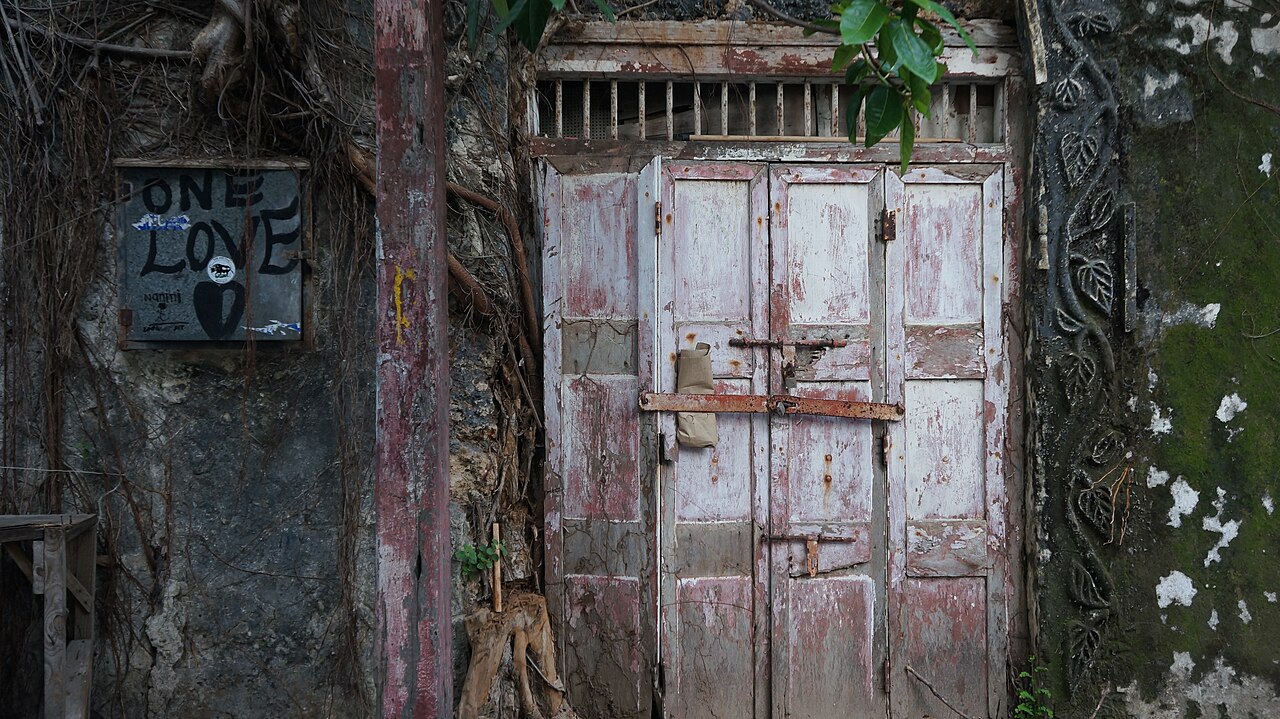
Old Town is a living, predominantly Muslim neighbourhood, not an open-air museum. The carved doors, enclosed balconies, mosques, trading buildings and waterfront matter because people still live, worship and work among them. A good walk connects architecture to Mombasa’s Indian Ocean history without treating a front door, child or prayer time as tourist content.
Safety also needs a direct answer. Current UK travel guidance for Kenya identifies Mombasa Old Town as a higher-crime area within the city. That does not mean nobody should visit. It means “wander and get lost” is poor advice for an unfamiliar visitor. Use daylight, a purposeful route, secure valuables, local advice and a known guide or companion. Avoid walking there alone at night.
Old Town at a glance
| Decision | Practical answer | What to verify |
|---|---|---|
| Best first visit | Guided daylight walk | Guide recognition, fee, language, route and end point |
| Time needed | About 2 hours for Old Town; 3 to 4 with Fort Jesus | Whether Fort entry and ticketing are inside the advertised duration |
| Best starting point | Official Fort Jesus entrance | Meet the exact named guide, not whoever approaches first |
| Cost | Public streets are free | Guide, Fort ticket, transport, food and shopping are separate |
| Best timing | Morning after Fort Jesus, or a short planned afternoon walk | Heat, prayer times, rain, events and return transport |
| Dress | Light clothing covering shoulders and knees is a respectful default | Additional rules before entering any religious space |
| Photography | Architecture only until permission is clear | Ask people and businesses before including them or private interiors |
| Safety | Daylight, planned route, secured phone and bag | Same-day hotel or KTF advice if local conditions are unsettled |
| Accessibility | A shortened custom route works better than promises of full access | Surface, steps, shade, toilet and vehicle pickup |
Is Mombasa Old Town worth visiting?
Yes, if you are interested in Swahili coastal culture, Indian Ocean trade, urban architecture or the living context of Fort Jesus. It is one of the few places where Mombasa’s historical layers are visible at street scale. It is not the best choice for someone seeking a polished pedestrian precinct, restored interiors at every stop or a quiet traffic-free heritage park.
UNESCO describes Old Town as integral to Fort Jesus’s historic context and identifies it as the World Heritage property’s buffer zone. The National Museums of Kenya Old Town map marks historic buildings, carved doors, balconies, mosques, viewpoints, workshops and food stops. That map is an excellent reading aid, but it is Edition 1 from February 2004. Use it for the street pattern and heritage orientation, not as proof that every labelled business, building interior, toilet or boat trip operates today.
Recent visitor reports explain the appeal and the limitations. An August 2025 business traveller focused on the narrow lanes, carved wooden doors, balconies and mixed architectural influences. An April 2025 solo visitor found the area busy, scenic and worth seeing with a guide. A February 2025 family called the buildings charming but wanted more renovation and reported frequent sales approaches. A March 2025 couple liked the façades but noted crowded lanes, concern about belongings, deteriorated buildings and an unpleasant fish-market section. These reactions can coexist.
The best Old Town walking route
This route uses the official heritage map as its backbone but treats access as variable. Building names are orientation points. A marked mosque, club, house or office is not an invitation to enter.
| Section | What to notice | Access rule | Approximate time |
|---|---|---|---|
| Fort Jesus edge | Moat, defensive position and transition into the town | Fort interior requires a separate ticket | 10 minutes outside |
| Mbarak Hinawy Road | Street scale, Mombasa Club exterior, façades and changing architectural language | Keep entrances clear | 15 to 20 minutes |
| Mandhry Mosque area | Minaret, exterior form and relationship to the Old Port streets | Do not enter or photograph worshippers without permission | 10 minutes |
| Government Square and Old Port | Harbour, trading geography, civic buildings and working waterfront | Follow local access and photography rules | 15 to 25 minutes |
| Leven House and steps | Port-facing town-house history and the connection between street and water | Confirm current opening before expecting an interior | 10 to 15 minutes |
| Ndia Kuu and side lanes | Carved doors, projecting balconies, shops and homes | Observe from public space; ask before close photography | 25 to 40 minutes |
| Treasury Square or agreed pickup | Orientation, rest and exit to a known vehicle point | Do not keep wandering after the planned route ends | 10 minutes |
The short route takes 90 minutes to two hours. It excludes Fort Jesus interior time, a full market detour and a meal. An extended route may add the Old Law Courts exterior, Swahili Cultural Centre area and selected markets, but the guide should explain the walking distance, traffic, surface and current access before you agree.
Stop 1: orient at Fort Jesus
Begin outside the official museum entrance. The fort’s position at the southern edge of Old Town explains the relationship between military power, the harbour and the settlement. If you plan to go inside, do it first while it is cooler and your attention is fresh. The separate Fort Jesus visitor guide covers the official 2026 tariff, conflicting published hours, eCitizen payment and museum route.
Do not let a driver or guide count the museum queue as the whole “Fort Jesus stop.” A proper first visit takes 90 minutes to two hours inside. Old Town then needs its own time.
Stop 2: walk Mbarak Hinawy Road
From the fort edge, a planned walk along Mbarak Hinawy Road introduces the dense street frontage. The NMK map marks the Mombasa Club, Africa Hotel and several heritage features along this side of the old quarter. Some buildings are private or change use, so read the exterior rather than assuming admission.
Notice how shade is created by projecting upper floors, balconies and narrow streets. Look at wall thickness, timber work, plaster, roof forms and the way commercial premises sit beside homes and religious buildings. Old Town’s value is not limited to one photogenic door.
Stop 3: pause near Mandhry Mosque
Mandhry Mosque is one of the map’s major orientation points near the old waterfront. Treat it first as a functioning place of worship. Keep voices low, do not block an entrance and never photograph people washing, praying or arriving for worship without consent.
A guide may explain the exterior form and Muslim communities of Old Town. Interior access depends on the congregation, time, dress and current rules. “Mosque stop” on a tour itinerary does not promise entry.
Stop 4: read the Old Port and Government Square
The Old Port supplies the geographical explanation for the neighbourhood. Dhows, warehouses, civic buildings and the channel connect the streets to centuries of regional movement and trade. It may still feel like a working edge rather than a designed viewpoint.
Stay within public access, ask before photographing port work and do not approach a boat simply because a guide map marks boat tours. A boat operator, route, safety equipment, weather and price require separate verification. Do not board as an unplanned extension of a walking tour.
Stop 5: Leven House and steps
The official map marks Leven House and the steps down toward the water. It is useful for understanding how a substantial coastal town house related to port activity and later British interests. Current access may vary. Enjoy the exterior and waterfront relationship unless an authorised person confirms entry.
Do not repeat a guide’s precise date or ownership story as fact without a source. Old Town buildings have been reused, renamed and interpreted differently over time. The safest guide explains what is documented and what remains debated.
Stop 6: continue through Ndia Kuu
Ndia Kuu is the route’s architectural core. Slow down for carved doors, brass details, balconies and coral-stone construction, but keep moving when a doorway is in active use. Door designs can reflect Indian, Arabian and local craftsmanship and changing merchant tastes. Avoid a simplistic rule that every brass stud or carving proves one origin.
The best comparison is between several doors: the frame, central post, lintel, carving depth, studs, age, repair and relationship to the building. Photograph the whole façade before approaching for a detail, then ask if a person, shop display or domestic entrance will be recognisable.
Stop 7: finish deliberately
Finish around Treasury Square, another named landmark or the exact pickup point agreed before the walk. Do not allow “we will end somewhere in Old Town” to become an avoidable navigation problem. Confirm whether the guide returns you to Fort Jesus, places you in a known tuk-tuk or leaves you at a restaurant.
If the route continues toward a market, decide whether that is heritage interpretation, food tasting or shopping. Each is a different service with a different time and hygiene decision.
What the architecture is telling you
| Feature | What it can show | What not to assume |
|---|---|---|
| Coral-stone and lime walls | Coastal building material and adaptation to climate | Every exposed wall is ancient or structurally unsafe |
| Carved timber door | Craft, status, taste and Indian Ocean influence | One motif has a single universal meaning |
| Brass studs or ornament | Decorative traditions and merchant connections | The door came unchanged from one foreign culture |
| Projecting or enclosed balcony | Shade, privacy, airflow and street interaction | It is public space for photography or entry |
| Narrow lane | Dense urban form and pedestrian-scale life | It is traffic-free, quiet or safe to explore without a route |
| Mosque and religious school | Continuing Muslim intellectual and community life | Visitors may enter at any time |
| Old Port frontage | Trade, transport and civic geography | Every vessel is licensed for tourist trips |
The official NMK introduction traces Mombasa as a medieval Islamic trading port and centre of Swahili civilisation, later passing through Portuguese, Arab and British rule while remaining a living community. That sequence should not erase African agency or reduce Swahili culture to foreign “influences.” Kiswahili, building practice, food, religious scholarship and trade developed through local life and long regional connections.
Ask a guide to connect physical details to evidence. Which feature is original? Which was repaired? What came from a planning document, inscription, family history or architectural comparison? A colourful story can still be labelled as oral tradition rather than presented as certain chronology.
Should you hire a guide?
For a first international visit, yes. A guide improves navigation, explains which spaces are public and supplies historical context. The guide also reduces the temptation to stare at a map or phone in crowded lanes. A guide cannot guarantee safety, override a resident’s privacy or authorise entry into a mosque or home.
| Question to settle | Good answer | Warning sign |
|---|---|---|
| Who recognises you? | Museum counter, established operator or hotel can verify the guide | “Everyone knows me” with no verifiable identity |
| What is included? | Named route, duration, language and finish point | “Everything” without detail |
| What costs extra? | Fort ticket, tuk-tuk, tastings, boat and tips listed separately | New mandatory fees appear after starting |
| Are we shopping? | Only if the guest requests it, with no purchase obligation | Guide commissions or compulsory shops are concealed |
| May we enter buildings? | Access depends on current permission and worship | Guaranteed private or mosque entry without qualification |
| How do we pay? | Total fee and method agreed before departure | Urgent transfer to a different name or account |
| What if we stop early? | End point and any partial-service terms are clear | Guide keeps extending the route under pressure |
Ask the Fort Jesus counter which guides are recognised that day, or arrange a named guide through an established hotel or tour operator. A driver is not automatically an Old Town guide. A 2026 family itinerary follow-up on Reddit specifically reported discovering that its local driver was not authorised to conduct the walk and that a separate recognised guide had to be negotiated.
A March 2026 Fort Jesus visitor reported paying KSh1,500 to a badge-wearing Francophone guide for the fort, Old Town and a spice-market visit. This is a useful example of a negotiated local arrangement, not an official tariff or today’s guaranteed price. Online private tours can cost far more because they may include hotel transport, platform commission, private scheduling and additional stops. Compare the same service before deciding one quote is expensive.
Do not copy a phone number from a review and assume the person is still authorised. Verify identity, current availability and the business receiving payment.
What should an Old Town walk cost?
Walking the public streets costs nothing. Your total depends on the chosen format.
| Cost | Free or separate? | What to confirm |
|---|---|---|
| Old Town public-street access | Free | No general neighbourhood ticket should be demanded |
| Fort Jesus | Separate official admission | Category, ID, eCitizen ticket and live hours |
| Private guide | Negotiated | Total group price, duration, language, route and tax/receipt |
| Tuk-tuk or taxi | Separate | Pickup, drop-off, waiting and total fare |
| Food tasting | Separate unless written into a tour | Dishes, drinks, allergies and hygiene |
| Boat ride | Entirely separate service | Operator, vessel, life jacket, route, weather and price |
| Shopping | Optional | Buy because you want the item; inspect quality and agree price |
| Tip | Voluntary unless disclosed otherwise | Do not let an undefined tip replace a quoted guide fee |
If booking online later, distinguish a two-hour walk from a four-hour city tour. Ask how much time is spent collecting guests, at Fort Jesus, in shops, in the vehicle and actually walking Old Town. A high headline price may be reasonable for a private air-conditioned transfer and specialist language guide. It is poor value if most of the advertised half-day is transport and commission-linked shopping.
Is Mombasa Old Town safe?
No responsible guide can promise a crime-free walk. Current FCDO advice says violent crime occurs in Kenyan cities and identifies Old Town as one of the higher-risk areas in Mombasa. It advises against walking alone in isolated areas and recommends protecting valuables. Other national advisories also urge increased caution in Mombasa.
For an unfamiliar visitor, the sensible response is:
- Visit in daylight, preferably in the morning.
- Use a verified guide or locally knowledgeable companion for the first walk.
- Follow a defined route rather than intentionally getting lost.
- Keep the phone away except when needed and use a bag that closes securely.
- Leave expensive-looking jewellery and unnecessary cards at the hotel.
- Carry limited spending money separately from the main wallet.
- Avoid political gatherings, demonstrations and unusually dense crowds.
- Take your hotel’s same-day advice about local conditions and pickup points.
- If confronted, prioritise personal safety and do not resist over property.
- Leave by taxi or tuk-tuk from a clear point before dark.
Recent visitor evidence is mixed but useful. A March 2025 couple explicitly warned about belongings in the busy lanes. An April 2025 solo visitor felt a guide helped with both route and perceived risk. In a 2026 Reddit follow-up, a family said the places it visited felt safer than expected but still advised against hanging around late at night. None of those individual reports overrides official guidance or predicts your visit.
The Kenya Tourism Federation Safety and Communication Centre operates 24-hour tourist helplines at +254 722 745 645 and +254 738 617 499. Save them, your hotel and your insurer before the day. Kenya’s general emergency number is 999. For a non-urgent lost item or dispute, return to a known business or the museum entrance and contact the appropriate support rather than following a stranger to an unfamiliar location.
Dress, prayer times and photography
Wear light clothing that covers shoulders and knees as a respectful default away from the resorts. This also reduces sun exposure. Remove sunglasses when speaking closely with someone and follow any specific head-covering or shoe rules only if invited into a religious space.
Friday midday prayer, Ramadan and religious festivals can change street rhythm, business hours and access. Do not treat worship as a performance. Give entrances space, keep voices down and let the guide adjust the route. If you want to learn about a mosque, ask what exterior explanation or formally permitted visit is appropriate.
For photography:
- Ask a person before making them the subject, including children.
- Ask a shopkeeper before photographing merchandise or the inside of a business.
- Do not point a camera through an open door or window into a home.
- Ask before photographing a mosque entrance, worshippers, port operation, police or security site.
- Do not block a lane, doorway or stairway while composing a picture.
- Accept “no” immediately and without offering money unless a clearly agreed portrait arrangement was initiated.
- Treat drone and commercial filming as regulated activities requiring proper permission.
A close-up of a carved door may still reveal the resident, house number or private interior. Stand back first and read the situation.
Food, markets and shopping without pressure
Old Town can be a good place to drink coffee, try coastal snacks or buy spices and crafts, but “authentic” does not remove the need to check price and hygiene. The separate guide to Swahili food in Mombasa explains dishes and ordering in more depth.
Before eating, look at turnover, handwashing, food temperature, drinking water and how raw ingredients are stored. If the fish-market smell or conditions are uncomfortable, skip that section. A March 2025 visitor specifically disliked the smell and visible handling at the market during that visit. That report does not judge every fish seller, but it is fair warning for sensitive stomachs and noses.
For shopping, ask the price and currency before an item is wrapped. Check wood, stitching, spice packaging and any claim about origin. Never feel obliged to buy because a guide introduced the shop or tea was offered. Tell the guide before the walk whether you want zero, one or several shopping stops.
Do not buy coral, shells, antiquities or wildlife products unless legality and provenance are unquestionably established. A seller’s assurance is not an export permit.
Accessibility, heat and toilets
Old Town’s narrow lanes, thresholds, broken or uneven surfaces, traffic edges and heat can make the walk difficult. A general label such as “wheelchair friendly” is not enough. There is no single controlled entrance or guaranteed continuous accessible route through a neighbourhood.
Ask a guide to build a shorter route around the exact needs:
- Maximum walking time before a seated rest.
- Surface type and kerbs on every segment.
- Any unavoidable steps near a viewpoint or building.
- Shade and a reliable indoor cooling break.
- Location and condition of an accessible toilet.
- Whether a vehicle can reach the end point.
- Space for a wheelchair or folded mobility aid in the tuk-tuk or car.
- Ability to leave early without retracing the whole route.
For older travellers, a 60 to 90-minute exterior route plus a vehicle pickup can be better than combining the full fort and Old Town. For a wheelchair user, request current photos or video of the proposed route and toilet. A driver’s statement that cars enter Old Town does not prove the walking surface works.
Rain makes worn surfaces slippery and can create standing water. Strong sun and humidity can exhaust visitors faster than the map suggests. Carry water and pause before fatigue reduces awareness.
Families and solo travellers
School-age children may enjoy a door-spotting or harbour-history challenge. Younger children can be overwhelmed by traffic, heat and long adult explanations. Keep the route short, use one snack or drink stop and hold hands near vehicles and busy market edges. A stroller needs the same route check as a wheelchair.
For a solo first visit, a private guide or very small group removes the need to navigate while protecting a phone. Share the guide’s name and plan with the hotel. Agree a daylight endpoint where transport is easy. A solo photographer should not trade situational awareness for a lens change in the middle of a lane.
Women do not need a separate “fear” itinerary, but clothing, unwanted attention and transport at the end deserve planning. Decline firmly, move toward a known business if uncomfortable and do not let a guide change the end point without agreement.
Getting to Old Town
| Starting area | Best approach | Planning issue |
|---|---|---|
| Mombasa CBD | Taxi or tuk-tuk to the official Fort Jesus entrance | Walking from an unfamiliar point adds heat and navigation |
| Nyali | Taxi or ride-hailing across Nyali Bridge | Bridge traffic changes journey time |
| Bamburi | Prearranged taxi or a hotel city excursion with real walking time stated | Several pickups can consume the morning |
| Shanzu | Treat Old Town and Fort Jesus as a half-day city outing | Confirm return instead of searching for transport while tired |
| Diani | Use a full-day plan with substantial ferry and traffic contingency | Do not schedule a rigid evening booking immediately afterward |
| Cruise port | Use the operator’s permitted pickup and return process | Port time, identity checks and ship departure override sightseeing |
Use Fort Jesus as the map pin and meeting point. Send the driver the exact location before leaving the hotel. Limited parking and dense streets mean a waiting vehicle may use a different pickup point. Get that point in writing and save the registration number.
Visitors from Diani should resist map-based optimism. A November 2023 couple later described a lengthy return after ferry disruption. That specific delay is not a forecast, but it demonstrates why a Mombasa city day needs slack.
What recent visitors really reported
| Visit | Positive account | Critical account | How to use it |
|---|---|---|---|
| Business traveller, August 2025 | Appreciated Swahili buildings, carved doors, balconies and the dense lanes | Did not supply a detailed safety or access assessment | Use the features as a viewing checklist, not a condition report |
| Solo traveller, April 2025 | Found the area scenic, busy and worthwhile | Preferred a guide because of perceived risks and route choice | A guide is a practical tool, not a safety guarantee |
| Family, February 2025 | Found the old buildings charming | Wanted more renovation and reported many sellers | Expect a working neighbourhood, say no politely and do not expect universal restoration |
| Couple, March 2025 | Found the walk interesting and liked doors and façades | Warned about belongings, maintenance and fish-market conditions | Secure valuables and choose whether the market suits the group |
| Couple, August 2023 | Found residents welcoming and buildings evocative | Wanted more cleaning and attention | Do not mistake charm for polished public-realm maintenance |
| Family follow-up, 2026 Reddit | Said visited places felt safer than expected | Still discouraged late-night wandering and found a separate guide was required | Use current local arrangements and finish in daylight |
The source set is the Tripadvisor Old Town visitor page and the linked Reddit discussion above. Reviews help anticipate crowding, sales approaches, smells and guide value. They do not establish today’s crime level, building access or authorisation.
Common mistakes
- Calling Old Town itself a UNESCO World Heritage Site instead of explaining its buffer relationship to Fort Jesus.
- Promising entry to mosques, homes or heritage buildings from an old map.
- Intentionally getting lost with a phone out in unfamiliar crowded lanes.
- Hiring the first guide who approaches without verification or a fixed scope.
- Assuming the driver may also conduct the heritage walk.
- Letting “optional shopping” consume half the tour.
- Photographing residents, worship or domestic interiors without consent.
- Wearing resort swimwear through a conservative residential area.
- Combining the full fort, full Old Town, markets and distant attractions without a heat break.
- Treating one positive or negative review as a permanent verdict on the community.
Before the walk
- Download the NMK map, but remember it is an orientation map rather than live access data.
- Confirm the named guide through the museum, hotel or established operator.
- Agree price, language, route, duration, entry fees, shopping and end point.
- Use a small closed bag and leave unnecessary valuables at the hotel.
- Wear modest light clothing and shoes with grip.
- Carry water, sun protection and only the money needed.
- Check same-day conditions and avoid demonstrations or disrupted streets.
- Send the guide and return plan to someone at the accommodation.
- Save hotel, driver and KTF safety contacts offline.
- Arrange a daylight pickup from an exact landmark.
Frequently asked questions
Can you walk around Mombasa Old Town without a guide?
Yes, but a verified guide is the better first-visit choice for most international travellers. The lanes are busy, the history is layered and current UK guidance identifies Old Town as a higher-crime area. If walking independently, use daylight, a defined route and local advice.
How long does an Old Town walking tour take?
Allow about two hours for Old Town alone. Allow three to four hours for Fort Jesus, a short break and Old Town. Ask whether an advertised tour duration includes hotel pickup, museum queue, shopping and meals.
Is there an entrance fee for Mombasa Old Town?
No general fee applies to walking the public streets. Fort Jesus, a private guide, food, transport, boat trips and some interiors or activities are separate.
How much is a guide in Mombasa Old Town?
There is no stable official public tariff. One March 2026 couple reported KSh1,500 for a badge-wearing Francophone guide covering Fort Jesus, Old Town and the spice market. Treat that only as an anecdote. Obtain a current group price and written inclusions.
Where should the walk start?
The official Fort Jesus entrance is the clearest meeting point. It has staff who can help distinguish the museum process from approaches outside. Confirm the guide’s name and do not follow a substitute without verification.
What are the main sights?
Fort Jesus edge, Mbarak Hinawy Road, Mandhry Mosque exterior, Government Square, Old Port, Leven House and steps, Ndia Kuu’s carved doors and balconies, and Treasury Square form a coherent core. Access to interiors changes.
What should I wear in Old Town?
Wear light clothing covering shoulders and knees. It is respectful in a predominantly Muslim residential neighbourhood and practical for sun. Follow specific instructions if invited into a place of worship.
Is photography allowed?
Ordinary streetscape photography is usually possible, but permission is required before photographing identifiable people, children, shop interiors, private doorways, worship or sensitive port and security activity. Commercial filming and drones need separate permission.
Is Old Town suitable for a wheelchair or stroller?
Only with a route-specific plan. Expect uneven surfaces, kerbs, thresholds, heat and narrow traffic edges. Ask for current video, a reliable toilet, shade and a vehicle-accessible end point.
Is it safe for a solo traveller?
A solo traveller can visit, but should use daylight, current local advice and preferably a verified guide on the first walk. Secure valuables and arrange the end transport before starting. Avoid walking there alone at night.
Can I combine Old Town with Fort Jesus?
Yes. Visit the fort first, take a water or lunch break, then walk Old Town. It is the most historically coherent pairing and avoids cramming distant attractions into the same half-day.
Final recommendation
Book a verified two-hour guide for the first walk, meet at Fort Jesus in the morning and agree a route that ends at a known pickup. Look beyond the famous doors: connect the fort, mosques, Old Port, houses, commercial life and waterfront to the larger Indian Ocean story.
The best Old Town visit is curious but not intrusive. It follows current safety advice, pays fairly for expertise, refuses unwanted shopping without hostility and remembers that every beautiful façade is part of somebody’s neighbourhood.
Send a correction or report a material change.
Affiliate disclosure
Mombasa Rentals may earn a commission if you book through some links on this page, at no extra cost to you. Affiliate relationships do not determine which walks or guides are included, how visitor reports are represented or what limitations we explain. No affiliate booking links will be added until the relevant programme approves the website.