
Watamu travel guide
Best Things to Do in Watamu: Marine Life, History and Nature
The best first Watamu trip combines one marine experience, one Mida Creek visit and one land-based conservation or history activity. With two full days, snorkel Watamu Marine National Park on the better sea day and pair Gede Ruins with a Mida Creek sunset. With four or five days, add Local Ocean Conservation, Arabuko-Sokoke Forest or the Snake Farm and leave one real beach day.
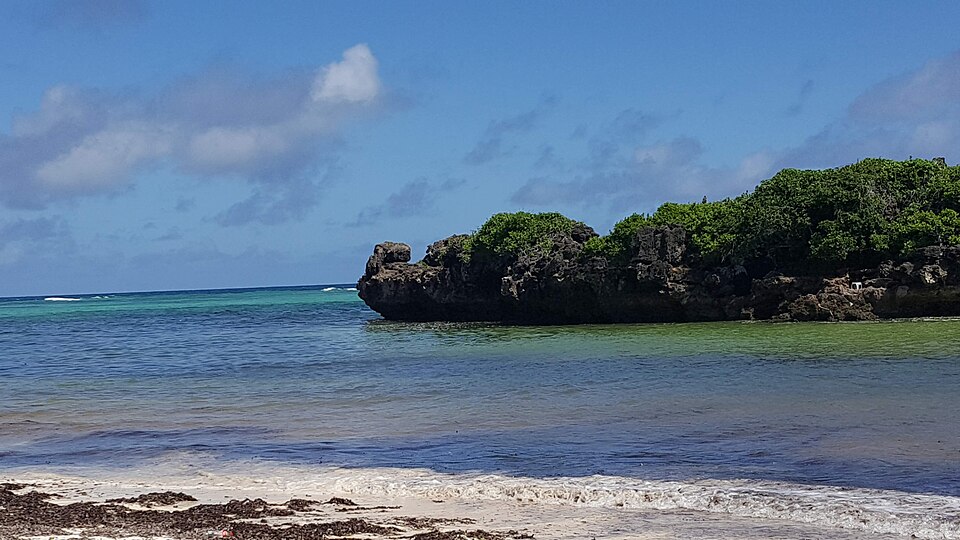
Do not pre-book every hour. Snorkelling, diving, kitesurfing, sandbanks and creek boats depend on tide, wind, visibility or sea state. Gede, the Snake Farm and Local Ocean are useful land alternatives, but their current opening, demonstrations and tour spaces still need confirmation.
Choose what to do quickly
| Experience | Allow | Best for | Main condition or limitation |
|---|---|---|---|
| Watamu Marine National Park snorkelling | Half day | First visit, swimmers, families with appropriate flotation | Sea state, visibility, tide, boat and equipment quality |
| Mida Creek boardwalk or canoe | 1.5 to 3 hours | Nature, sunset, families, photographers | The tide changes walking and boating access |
| Gede Ruins | 1.5 to 2.5 hours | History, architecture, older children | Heat; the site is less meaningful without interpretation |
| Local Ocean Conservation tour | About 1 hour | Families, conservation learning, rainy-day option | Advance booking; no guarantee of turtle patients |
| Arabuko-Sokoke Forest | 3 hours to full day | Birding, forest ecology, serious nature interest | Early start, guide choice, route and vehicle matter |
| Watamu Snake Farm | 1 to 2 hours | Reptile education, families comfortable with snakes | Demonstration schedule; some young children may find it intense |
| Beach and tidal reef walk | 1 hour to a full day | Everyone who accepts changing tides | Heat, reef footing, currents, seaweed and sellers |
| Scuba diving | Half day to multiple days | Certified divers or beginners taking a formal course | Certification, health, operator and conditions |
| Kitesurfing | A lesson or multi-day course | Active travellers | Wind, school standards and launch area |
| Deep-sea fishing | Half or full day | Experienced anglers and small private groups | Cost, sea state, ethics and no catch guarantee |
| Marafa/Hell's Kitchen | Half to full day | Geology and sunset scenery | Long road, heat and unstable footing |
| Tsavo safari | At least 2 days | Wildlife travellers without a safari elsewhere | Too far for a relaxed “quick day” |
The final two are excursions from Watamu, not local sights. If your Kenya itinerary already includes Maasai Mara, Amboseli or Tsavo, do not sacrifice all the coast time to another rushed safari.
The best experiences, in priority order
1. Snorkel Watamu Marine National Park, with the right boat
Kenya Wildlife Service describes Watamu Marine National Park and Reserve as a protected lagoon-and-reef environment. For most visitors, a guided boat snorkel is the clearest way to experience it. The park fee is separate from the boat unless the operator explicitly includes it.
The official KWS page currently displays these conservation fees:
| Visitor category | Adult | Child |
|---|---|---|
| East African citizen | KES 500 | KES 250 |
| Kenya resident | KES 675 | KES 350 |
| African citizen outside East Africa | USD 15 | USD 10 |
| Non-resident | USD 25 | USD 15 |
Bring the document required for your category and recheck the KWS page before paying. The boat, guide, equipment, food and hotel transfer are not created by the park ticket.
Visitor reports show why the operator matters. In March 2026, one visitor described abundant marine life and a well-protected setting but rated the actual snorkelling only “okay”. A December 2025 family thought the total price was excessive for an average site with coral but few large fish. A May 2025 private-boat guest reported many sea creatures and dolphins. Those different reports on the marine-park review page are all plausible descriptions of different days, expectations and operators. Dolphins, turtles, whale sharks and clear visibility are never guaranteed.
Ask before booking:
- What is the operator's current Tourism Regulatory Authority licence number?
- Which boat will be used, and what is its maximum passenger capacity?
- Is there a fitted life jacket for every adult and child?
- Are mask, snorkel, fins and flotation available in appropriate sizes?
- How many in-water guides supervise beginners?
- Is the KWS fee included and shown separately?
- Where and how long will the group actually snorkel?
- What happens if visibility or sea state is poor?
- Is wildlife fed or chased? The answer should be no.
- What is the cancellation or route-change policy?
Older reviews describe poor-fitting child life jackets, too little snorkel equipment, short time in the water, people standing on coral and boats crowding dolphins. They do not prove that every current operation behaves this way. They identify the questions a responsible visitor should ask. Never stand on coral, feed fish or pressure a captain to pursue wildlife.
2. Experience Mida Creek, but choose the product you actually want
“Mida Creek tour” can mean four different experiences:
- A short mangrove boardwalk and viewpoint visit.
- A canoe or kayak trip in narrow mangrove channels.
- A larger dhow or boat trip timed for sunset.
- A meal or drinks at a creek-side venue, with little nature interpretation.
The creek is tidal. A January 2026 visitor praised its unusual ecosystem but warned that at very low water some boats could not operate. An October 2025 tour guest enjoyed the atmosphere but reported that the Watamu transfer was extra and expensive, and that low tide required a long muddy walk to reach the boat. Those Mida Creek reports do not make low tide bad. They show that the route, boat and mobility demands change.
Choose the boardwalk for a shorter, lower-risk visit. Choose a guided canoe or kayak if the mangrove ecosystem is the reason for going. Choose a dhow only when the vessel, passenger limit, life jackets, boarding method and return after dark have been explained. A floating bar or sunset restaurant is an entertainment choice, not automatically a conservation tour.
Read the full Mida Creek guide before selecting a launch point. Confirm tide, pickup, footwear, mosquito protection, toilet access and whether the activity returns in darkness.
3. Visit Gede Ruins for Swahili history, not monkey photographs
National Museums of Kenya presents Gedi as the remains of a Swahili town with coral-stone mosques, houses, walls and archaeological material. It is one of the most important land activities near Watamu because it changes the trip from a beach holiday into a deeper coastal history journey.
The national museum's official fee notice lists Gede Ruins in a heritage-site group with adult admission of KES 200 for Kenyan/East African citizens, USD 6 for residents and other African visitors, and USD 8 for visitors from outside Africa. Child rates are lower. The notice also gives standard public hours, while the Gedi page shows slightly inconsistent hours in different places. Check the official page or eCitizen ticket system before travelling rather than relying on an old blog.
A January 2026 visitor praised the well-preserved settlement and the guide's explanations. A July 2026 family on a commercial combined tour found the ruins worthwhile but said monkeys became the dominant attraction and that extra guide/tip expectations were not fully clear. You can read the site reports on the Gede Ruins review page and the specific combined-tour report.
Go early, use an authorised site guide when available and ask the fee before the walk. Do not feed, touch or encourage monkeys to climb on people. Apart from changing wildlife behaviour, scratches and bites create avoidable health risk. The architecture and trading history deserve the focus. Our Gede Ruins visitor guide covers the site in detail.
4. Learn at Local Ocean Conservation
Local Ocean Conservation runs a one-hour education tour at its Marine Information Centre and Sea Turtle Rehabilitation Centre. The official page asks for a minimum KES 1,000 donation per person, lists set tour slots and requires booking. It also states the most important expectation clearly: there may be no turtles in rehabilitation because healthy animals are released.
That is a strength, not a failed attraction. A July 2024 family reported an informative tour with a dedicated team even though no turtle patients were present. The visitor account aligns with the centre's educational purpose.
Do not arrive expecting to touch a turtle, witness a hatch or join a release. Book through the organisation, arrive early and let animal welfare determine what can be seen. For families, this is one of the best ways to explain why visitors should avoid plastic, lights near nests, wildlife handling and irresponsible boats.
5. Explore Arabuko-Sokoke with a guide and an early start
Kenya Forest Service describes Arabuko-Sokoke as a large coastal forest with walking and driving routes, birding, butterflies, cycling and trained community guides. Tickets are sold at the entry point, and the official page recommends early morning or late afternoon because wildlife is less active in midday heat.
This is not a zoo or a guaranteed “elephant shrew tour”. A specialist guide improves the odds of understanding calls, tracks, forest types and small wildlife. A December 2025 birding group reported recording many species during a guided morning in the forest and particularly valued the guide's ability to identify calls. That birding report describes one guided day, not a promise of the same species.
The current KFS fee page lists general recreational forest access at KES 200 for an East African citizen adult, KES 400 for a Kenyan resident adult and KES 600 for a non-resident adult, exclusive of VAT. Guide, vehicle and special activity charges can be separate. Call the forest contact on the official page to confirm the applicable gate and total.
For casual visitors, a guided three-hour morning is more useful than a hot, unstructured full day. Serious birders should dedicate the best early hours and tell the guide which species or habitats matter. Read the complete Arabuko-Sokoke Forest guide before choosing walking versus driving.
6. Visit Watamu Snake Farm for reptile education
The Watamu Snake Farm's official page currently displays 9:00 a.m. to 3:30 p.m., adult admission of KES 1,500 and child admission of KES 500. It advertises guided tours and scheduled venom-milking or handling demonstrations. Demonstration times on different page sections do not perfectly agree, so phone before planning around one.
An April 2026 family praised the guide and venom-milking explanation. A February 2026 solo visitor found the collection and guide interesting and considered the admission worthwhile. Those recent visitor reports are favourable, but a working reptile facility is not right for every young child or animal-sensitive visitor.
Ask whether any handling is optional, how barriers work, whether photography is allowed and how long the guided section lasts. Never pressure a child to touch an animal. The educational value should not depend on physical contact.
7. Use the beaches as a changing landscape, not a static backdrop
Watamu's bays and tidal flats reward repeat visits at different tide states. Walk at lower water only where local advice confirms the route; exposed reef is slippery, sharp and ecologically sensitive. Swim only where conditions, depth and currents suit your ability.
A February 2026 visitor admired the enormous beach but found swimming difficult at low tide. A July 2024 visitor liked the white sand and clear water but reported rubbish, seasonal seaweed and such persistent sales approaches that they retreated to the resort. These Watamu Beach reports show how different one shore can feel by season, tide and interaction.
Seaweed is natural. Plastic and litter are not. Do not buy coral, shells or wildlife products. For sellers, a calm “no, thank you” and continued walking is usually better than beginning a negotiation you do not intend to finish. Agree every price before accepting a coconut, photo, bracelet, walk or “free” sample.
8. Dive if the operator and conditions fit your experience
Scuba can reveal more of the marine environment than a short crowded snorkel, but certification, health screening, recent experience and operator standards matter. Beginners should take a recognised introductory experience or course, not accept a casual shortened briefing.
Ask for the training agency, instructor credentials, group ratio, equipment service record, oxygen and first-aid kit, emergency plan, dive site, maximum depth, surface interval and cancellation policy. A responsible operator may change the site or cancel when the sea is unsuitable. That decision protects the guest.
9. Learn kitesurfing at Garoda
Garoda is Watamu's best-known kitesurf area. A first lesson should cover wind window, launching, right of way, self-rescue, helmet and flotation before independence. “One hour” may include setup and land instruction rather than a full hour riding.
Book a progression, not a promised result. Ask the school to explain instructor qualification, radio use, student-to-instructor ratio, equipment insurance, rescue cover and what happens on a low-wind day. Do not combine a first lesson with a hard evening deadline.
10. Consider fishing only with clear ethics and expectations
Watamu has a long sport-fishing history, but a charter is expensive and no fish is guaranteed. Ask about licensing, boat, crew, safety, target species, season, tackle, catch-and-release practice, landing policy and what the price excludes. Travellers prone to seasickness should not treat a full-day offshore charter as an ordinary sightseeing cruise.
Which activities combine well?
| Combination | Why it works | What not to do |
|---|---|---|
| Gede Ruins + Snake Farm | Same broad inland direction; both land-based | Rush Gede to catch an unconfirmed demonstration |
| Gede Ruins + Mida sunset | History in the cooler morning, creek later | Leave a long midday gap without food or transport plan |
| Local Ocean + beach/town | One-hour education visit with a light day | Expect a guaranteed turtle patient or release |
| Arabuko-Sokoke + Gede | Strong nature/history day for keen visitors | Start forest birding late and arrive at Gede at closing |
| Marine park + quiet afternoon | Sea activity uses the better morning conditions | Add a distant sunset trip after a tiring boat day |
| Mida boardwalk + canoe | Two scales of the same ecosystem | Pay twice for duplicated transport without understanding the route |
Marine park plus Mida Creek can be sold as a single “blue safari”, but the title does not prove the snorkel site, creek interpretation, meal, passenger count or time in each place. Read the itinerary line by line.
Realistic plans for 1, 2 or 4 days
| Time available | Morning | Afternoon/evening | Weather swap |
|---|---|---|---|
| 1 full day | Marine park snorkel if conditions suit | Rest, then Mida boardwalk or sunset | Gede + Snake Farm |
| 2 full days | Day 1 marine park; Day 2 Gede | Day 1 beach; Day 2 Mida sunset | Local Ocean + Gede on poor-sea day |
| 4 full days | Marine park; Gede; Arabuko early; free beach | Mida; Local Ocean; rest; flexible meal | Move the sea day, never the flight day |
For a longer trip, add a diving or kitesurf progression rather than collecting one-hour tasters. Our future Watamu itinerary will turn these choices into a slower day-by-day sequence.
Activities by traveller type
Families with young children
Local Ocean, a short Gede visit and the Snake Farm can work when attention span and animal comfort suit. On boats, insist on a correctly fitted child life jacket and shaded seating. Ask whether one adult can remain aboard with a child who decides not to snorkel.
Non-swimmers
A glass-bottom boat may still be enjoyable, but confirm how much can actually be seen without entering the water. Mida boardwalk, Gede, Local Ocean and Arabuko-Sokoke do not require swimming. Never enter open water because a guide says “everyone can do it” without fitted flotation and direct support.
Limited mobility
Ask for step counts, boarding method, boat stability, toilet, surface and distance. A muddy low-tide approach at Mida, coral steps at the shore or a high-sided boat can change the decision. Gede's ground is uneven; obtain a current route description rather than trusting a generic accessibility icon.
Serious nature travellers
Book a specialist forest guide before arrival, protect early morning for Arabuko-Sokoke and tell the guide your interests. Use Local Ocean for conservation context and a well-run marine trip for reef ecology. Do not measure success only by a rare-species checklist.
What these activities really cost
Official admission is only one line. Use this checklist for every quote:
| Cost component | Marine/creek trip | Land attraction | Question |
|---|---|---|---|
| Official entry | KWS conservation fee | Museum, forest or private attraction fee | Is it included and receipted? |
| Operator | Boat, coxswain, guide | Driver or specialist guide | Who is the licensed provider? |
| Equipment | Mask, fins, flotation | Binoculars or bicycle if applicable | What size/condition is guaranteed? |
| Transport | Hotel to launch | Hotel to gate/site | Is return included, including after dark? |
| Food/drinks | Sometimes fruit or lunch | Usually separate | What exactly is served and can allergies be handled? |
| Extras | Photos, tips, private boat | Site guide, tips, demonstration | Which payment is optional? |
An online package can cost more because it includes transfers, platform support and cancellation. A local quote can cost less because several components remain separate. Compare the same product, not just the largest number on the page.
How to book a tour without guessing who operates it
Ask for the legal operator name and current licence. The Tourism Regulatory Authority lists regulated categories including local traditional boat operators. Keep the written itinerary, price, passenger limit and cancellation terms.
Do not confuse a salesperson, booking platform, transfer driver, boat owner and in-water guide. They may be five different parties. If the boat or guide at departure does not match the agreement, stop and ask before boarding.
Common mistakes
- Booking a dolphin tour as if a sighting were guaranteed.
- Treating a KWS entry ticket as the total marine-trip price.
- Standing on coral to adjust a mask.
- Feeding fish or monkeys for a photograph.
- Arriving at Mida without checking tide or return transport.
- Going to Arabuko-Sokoke at midday and concluding there is little wildlife.
- Assuming Local Ocean always has a turtle patient.
- Planning around a Snake Farm demonstration without confirming it.
- Buying a “full-day tour” without minutes, stops and inclusions.
- Scheduling a distant excursion on the day before an international flight.
Frequently asked questions
How many days do I need in Watamu?
Three full days allow one marine day, Gede and Mida, plus some beach time. Five to seven nights are better if you want Arabuko-Sokoke, conservation visits, diving or genuine rest after safari.
Is Watamu Marine Park worth it?
It can be, especially with suitable conditions, a small well-run group and realistic expectations. Visitors report both rich fish life and ordinary visibility or disappointing coral. The operator, tide, site and behaviour of the group materially affect the result.
Will I see dolphins or turtles?
No sighting can be guaranteed. A responsible marine trip is still worthwhile for reef, fish and boat experience. Local Ocean may have no turtle patient because animals are released when healthy.
Is Mida Creek better at high or low tide?
Neither is universally better. Higher water may make boating easier; lower water exposes mudflats and changes bird feeding and boarding. Ask the chosen operator what the tide means for the exact route.
Can I visit Gede Ruins without a tour?
Yes, you can arrange transport and use the official ticket process, then take a site guide if available. A guide adds context that bare walls cannot provide. Agree any separate guide fee first.
What can I do when the sea is rough?
Choose Gede Ruins, Local Ocean Conservation, the Snake Farm or a properly planned forest visit. A restaurant and hotel pool are also valid. Do not pressure a boat crew to operate merely because you have one free morning.
Is Watamu good for children?
Yes, if activities are chosen by age and comfort. Fitted life jackets, shade, toilets, pool/beach supervision and animal boundaries matter more than a family-friendly label.
Continue planning
- Choose the right base with where to stay in Watamu.
- Plan meals with the Watamu restaurant guide.
- Read the full Mida Creek guide.
- Prepare for the Gede Ruins rather than treating it as a monkey stop.
- Choose a route and guide with the Arabuko-Sokoke Forest guide.
- Compare seasons before locking marine days in the future Watamu weather guide.
Sources and visitor-evidence trail
Official facts and displayed fees come from Kenya Wildlife Service's Watamu page, the KWS fee schedule, Local Ocean Conservation, National Museums of Kenya's Gedi page, the official heritage-fee notice, Kenya Forest Service's Arabuko-Sokoke page, KFS fees and the Watamu Snake Farm. Recheck time-sensitive prices, hours and policies directly.
Visitor experience is drawn from dated reports for Watamu Marine National Park, Mida Creek, Gede Ruins, Local Ocean Conservation, Watamu Snake Farm, Watamu Beach and specialist birding. They describe individual days and products, not guaranteed present conditions.
Send a correction or updated first-hand detail
Affiliate disclosure
This article currently contains no affiliate links. If commercial tour links are added after programme acceptance, Mombasa Rentals may earn a commission at no extra cost to the reader. Inclusion and ordering will remain editorial decisions.