

Mombasa travel guide
Is Mombasa Safe for Tourists? Practical Area and Transport Advice
Yes, Mombasa can be visited responsibly, and many tourists complete their holidays without a serious incident. It is not a destination for switching off normal urban awareness. Crime, road safety, demonstrations, terrorism and health risks are real, while the exposure changes sharply with the place, hour and transport choice.
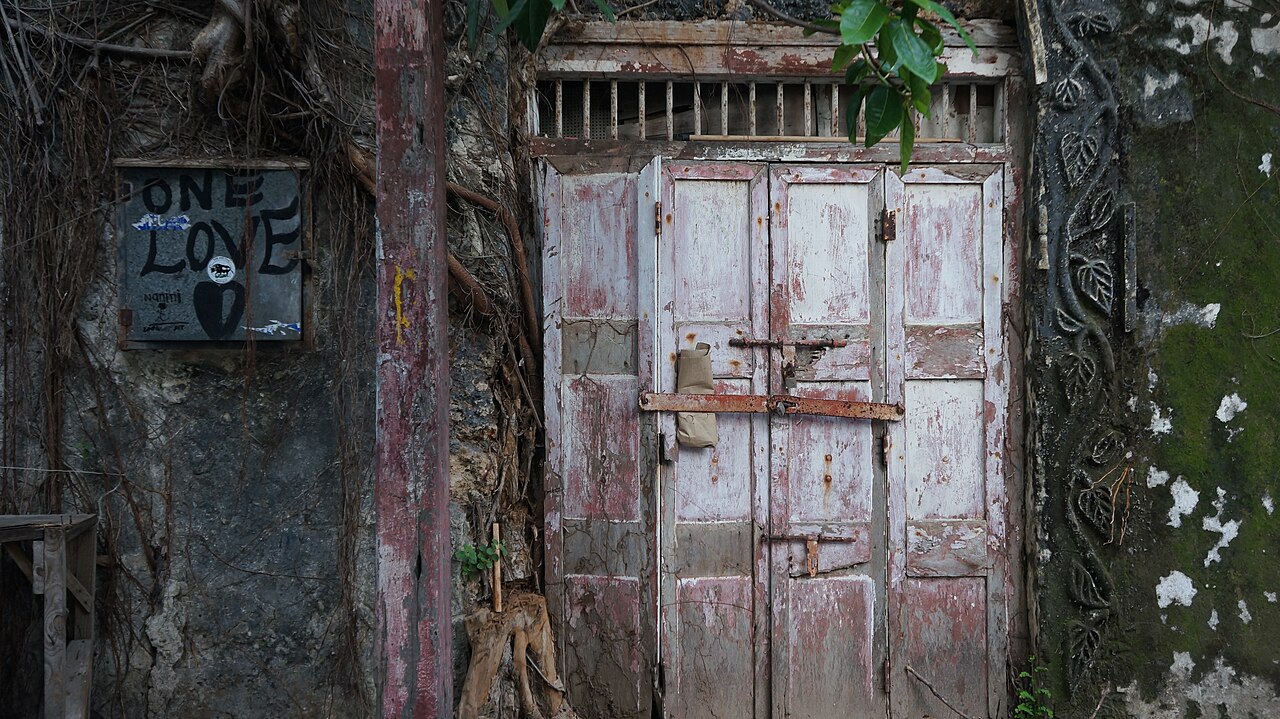
For a first visit, use pre-arranged or app-booked transport, keep valuables out of sight, visit Old Town in daylight with a credible guide, take extra care around the Likoni Ferry, avoid isolated beaches and unfamiliar streets after dark, and check your own government's live Kenya advice before committing non-refundable money.
No article can certify that Mombasa is safe on the day you travel. This guide shows how to turn broad warnings into specific decisions.
The short answer by situation
| Situation | Sensible planning position | What changes the answer |
|---|---|---|
| North-coast resort stay | Reasonable for many visitors with normal city, hotel and beach precautions | Exact property security, late-night plans, road transfers and current alerts |
| Fort Jesus and Old Town | Visit in daylight; a vetted local guide is a sensible choice, especially on a first visit | Quiet lanes, phone use, guide legitimacy, religious events and demonstrations |
| Mombasa Island after dark | Use door-to-door transport rather than exploring unfamiliar streets on foot | Exact street, crowd conditions, event schedule and local advice |
| Likoni crossing | Use a planned transfer, conceal valuables and minimise waiting or wandering around the approaches | Crowd level, time, whether travelling on foot or in a vehicle, and current transport advice |
| Airport arrival | Pre-arrange pickup or use an official ride-hailing app and verify the car before boarding | Arrival time, mobile-data access and driver or vehicle substitution |
| Diani holiday | Assess separately because Diani is in Kwale County, not a Mombasa neighbourhood | Flight to Ukunda versus a road transfer, crossing route and final property location |
| Solo visit | Possible with tighter control of transport, meeting points and night plans | Gender, visibility as a visitor, alcohol, unfamiliar contacts and accommodation access |
“Main tourist area” does not mean risk-free. “Higher-risk location” does not mean every person who enters will experience crime. The useful task is to reduce avoidable exposure without pretending certainty.
Start with the advisory issued for your nationality
Government advisories use different categories and boundaries. They also affect consular help and sometimes travel-insurance cover. Read the advice issued for the passport you travel on, then compare its map with your actual itinerary.
| Advisory source | Position relevant to Mombasa | What it does not mean |
|---|---|---|
| UK FCDO Kenya warnings | Its live map on 4 September 2026 advised against travel to specified northern and north-eastern areas. The restricted coastal strip was north of the Galana River, not Mombasa city. Its safety page nevertheless identifies Old Town and the Likoni Ferry as higher-risk parts of Mombasa. | Mombasa's absence from the restricted strip is not a guarantee of safety or a substitute for the rest of the advice. |
| US Department of State | The advisory issued 28 July 2026 placed Kenya overall at Level 2, “Exercise increased caution.” Its Level 4 coastal list named Lamu and Tana River counties, northern Kilifi and areas north of Malindi, not Mombasa County. | A national level is not a neighbourhood score, and it does not erase crime, traffic or terrorism risks in Mombasa. |
| Australian Smartraveller | On 4 September 2026 it advised a high degree of caution in Kenya overall and higher levels in specified areas. It highlights crime in Mombasa and coastal resorts, protests, terrorism and road risk. | It does not say that every coastal destination has the same threat level. |
| Your own government | It may draw a different boundary or impose different advice for your nationality. | Advice from another country may not satisfy your insurer or consular planning needs. |
Before paying, check four things:
- Is every overnight stop outside an area your government advises against visiting?
- Does your insurance remain valid for the whole route and each planned activity?
- Can the operator change the route if an alert, protest or weather event affects it?
- Who will contact you locally if conditions change after you arrive?
The answer can change between booking and travel. Save the live advisory link instead of relying on a screenshot in a social-media group.
Mombasa safety is an area-and-time question
Mombasa Island, the north-coast hotel areas and the south-coast route are not interchangeable. A hotel can use “Mombasa” in its marketing even when it is well outside the island centre. Check the pin, not just the destination label.
| Visitor zone | Typical reason to be there | Daytime approach | Evening approach |
|---|---|---|---|
| Fort Jesus and Old Town | Heritage, architecture, food and waterfront views | Use a defined route; consider a vetted guide; keep the phone discreet | Do not improvise a walk through quiet lanes; arrange pickup at an exact landmark |
| Mombasa CBD and markets | Shops, business, transport and local life | Carry little, stay alert in crowds and ask before photographing people | Use direct transport; do not wander while looking at a map on the phone |
| Nyali | Hotels, restaurants, malls and beach access | Normal city precautions still apply, especially near traffic and public access | Use known or app-booked transport between venues; check the exact hotel entrance |
| Bamburi | Resorts, beach, Haller Park and entertainment | Protect valuables at beach and roadside stops | Arrange the return before drinking or staying late; do not walk an isolated beach home |
| Shanzu | Resort stays and quieter north-coast base | Confirm distance from the road, shops and planned activities | A quiet location can mean fewer transport options, so book the return in advance |
| Likoni Ferry approaches | Connection between Mombasa Island and the south | Expect crowds; conceal valuables; follow transfer instructions | Avoid unnecessary waiting or walking; prefer a planned door-to-door transfer |
| Airport and Changamwe route | Flight arrival or departure | Use an identified pickup and allow for traffic | Verify the vehicle before leaving the terminal area; share the trip with a trusted contact |
This table is a planning tool, not a crime ranking. Conditions can differ from one street to the next and can change during demonstrations, holidays, major events or transport disruption.
Old Town: worthwhile, but plan the walk
Old Town is one of Mombasa's most important visitor experiences. Its carved doors, mosques, balconies, narrow lanes and relationship with Fort Jesus make it worth seeing. The same lane pattern makes it easy for a first-time visitor to lose direction or focus on a phone.
The UK FCDO specifically says crime risk is higher in Old Town. That should change the method of visiting, not be buried under “use common sense.”
For a first visit:
- Go in daylight.
- Start at a fixed, easy-to-identify location such as the Fort Jesus entrance.
- Arrange a guide through a credible source and agree on scope, duration and price before starting.
- Keep the route compact and purposeful.
- Ask before photographing residents, houses, worshippers or religious interiors.
- Dress respectfully around community and religious spaces.
- Keep cameras and phones away when they are not being used.
- Arrange a pickup rather than ending the walk and searching for transport in an unfamiliar lane.
A guide can improve navigation, interpretation and boundary-setting with unsolicited offers. A guide cannot guarantee safety. Verify who the person is, and do not follow an unknown tout simply because the word “guide” is used.
Our Mombasa Old Town walking guide gives the route, guide questions, etiquette and realistic timing without duplicating them here. The Fort Jesus visitor guide explains entry, official hours and how to combine the fort with the walk.
Likoni and the route to Diani
The Likoni Ferry and its approaches deserve a separate plan. The FCDO identifies the area as a higher-risk part of Mombasa, and other official advisories warn about crowding, theft and transport risk. The problem is not that every crossing becomes an incident. It is that a crowded transport interchange creates more opportunities for separation, confusion and phone or bag theft.
If a transfer uses the ferry:
- Confirm the driver's name, vehicle registration and destination before departure.
- Keep doors locked, windows raised and valuables below sight when travelling in a vehicle.
- Keep passports, phones and wallets secured on your body, not in an open outside pocket.
- Do not step out to photograph the queue or negotiate with unsolicited helpers.
- If crossing on foot, stay with your group and agree on the exact meeting point on the other side.
- Give children a simple rule: if separated, approach uniformed staff rather than continuing alone.
- Build delay into the itinerary so nobody is pressured into a rushed alternative.
Diani Beach is in Kwale County south of Mombasa. It should not be labelled “safe because it is Mombasa's resort district,” nor should a warning about the Likoni approaches be applied automatically to every Diani hotel. A visitor can reach Diani by a road transfer using the route chosen by the operator or by flying to Ukunda. Compare the entire door-to-door journey. Our Mombasa-to-Diani guide addresses those route choices in detail.
Safest practical ways to move around Mombasa
There is no perfect mode. Compare control, visibility, vehicle condition and the need to wait in public.
| Mode | Best use | Main exposure | Minimum check |
|---|---|---|---|
| Hotel or pre-arranged transfer | Airport, late arrival, family luggage and fixed excursions | False representative, unclear subcontractor or inflated add-on | Obtain driver name, plate, contact, meeting point and full price in writing |
| Official ride-hailing app | Urban point-to-point trips where the app operates | Wrong car, off-app cancellation, visible phone use or weak pickup point | Match driver, photograph and plate; keep trip in the app; wait inside where possible |
| Established taxi or hotel car | Late dinners, low-connectivity situations and scheduled return | Unrecorded trip or unclear fare | Have the hotel or venue call it; agree fare and payment method before leaving |
| Tuk-tuk | Short daytime local trips | Open sides, limited luggage security and fare disagreement | Agree destination and fare; keep phone and bag away from the open side |
| Matatu | Experienced travellers making simple local journeys | Crowding, road risk, pickpocketing and unfamiliar stops | Avoid with luggage or after dark; know the stop and carry no visible valuables |
| Boda boda | Sometimes offered for short, congested trips | High road-injury exposure, helmet quality and no luggage protection | A safer enclosed alternative is usually preferable for a visitor |
| Self-drive | Experienced Kenya drivers with a controlled route | Unfamiliar road behaviour, vehicle crime, parking and night driving | Written insurance, sound vehicle, doors locked, windows up and daylight intercity travel |
| Long-distance coach | Nairobi-Mombasa travel when rail or air does not fit | Speed, maintenance, night driving, luggage and seatbelt availability | Check the assigned coach, working belt, departure time, luggage tag and operator contact |
| SGR train | Scheduled Nairobi-Mombasa journey | Station transfers, crowds and unattended belongings | Use planned transfers at both ends and keep valuables with you |
The US advisory says road crashes are a major cause of injury and death for Americans in Kenya and warns about unsafe overtaking on the Nairobi-Mombasa highway. The FCDO also highlights serious long-distance bus and minibus crashes. A low fare or well-known company name does not answer whether the seat assigned today has a working belt or whether the journey is overnight.
For more transport detail, including the station location and transfer problem at each end, use the Nairobi-Mombasa SGR guide.
A reliable ride-hail routine
- Request the car while still inside the hotel, restaurant, mall or terminal pickup area.
- Compare the plate, vehicle model, driver name and photograph with the booking.
- Ask the driver whom they are collecting rather than announcing your own name first.
- Do not enter a substituted vehicle unless the app itself shows the change.
- Do not cancel the app trip and continue privately because the driver requests it.
- Sit where you can exit safely, fasten the seatbelt and keep windows raised in slow traffic.
- Share the live trip or plate with a trusted person.
- End the ride at the correct entrance, not at an unlit shortcut.
If mobile data fails, use a hotel-arranged car or call a known provider. Standing at a roadside with luggage while repeatedly unlocking a phone is not a good backup plan.
Airport arrival without confusion
Prepare the first transfer before the flight. Fatigue, heat, luggage and a weak data connection make arrival a poor time to compare unknown offers.
Keep the following offline:
- Accommodation name, street area and telephone number
- Driver name, company and registration if pre-booked
- Screenshot of the official ride booking, updated if the app changes it
- A small amount of accessible spending money, separate from the main cards and cash
- The hotel's check-in instructions and after-hours number
Someone holding a sign with your name is not automatically your driver. Match the company, phone number and plate with the confirmation. If the details differ, call the accommodation or transfer company using the number already saved, not a number supplied by the person asking you to leave with them.
Walking and going out at night
Do not turn “Mombasa at night” into one yes-or-no judgement. A hotel restaurant, a busy mall entrance and a quiet lane create different exposure. The conservative rule for a first-time international visitor is simple: use door-to-door transport after dark and do not walk alone through unfamiliar or isolated areas.
Before an evening out:
- Decide the return method before leaving the hotel.
- Use a venue with a controlled entrance and staff who can call transport.
- Keep one card and limited cash accessible; leave reserve funds secured.
- Watch drinks being opened or prepared and do not accept drinks or food from strangers.
- Do not share the hotel room number or exact accommodation details casually.
- Meet dating-app contacts only in a busy public place and tell someone the plan.
- Leave if a dispute, crowd or security operation begins nearby.
Both the FCDO and Smartraveller warn about drink spiking, robbery and sexual assault. These precautions reduce exposure; responsibility for an assault always lies with the perpetrator.
Phones, cash, cards and payment scams
Phone snatching can happen quickly, including from pedestrians or through an open vehicle window. A phone may also provide access to email, banking, mobile money, travel bookings and password resets. Treat it as both a valuable object and a key to other accounts.
| Risk | Prevention | If it happens |
|---|---|---|
| Phone grabbed in traffic | Keep it below window level; use offline directions; avoid walking at the road edge with it visible | Move to safety, lock the device and SIM, change critical passwords and contact police |
| Bag or wallet theft | Carry little; split cards and cash; keep the bag closed and in front in crowds | Freeze cards, document items and obtain a police report for insurance |
| ATM targeting | Use an ATM inside a bank or controlled mall by day; cover the PIN | Contact the bank immediately and preserve transaction alerts |
| Fake official | Ask for identification; do not hand over a phone, wallet or passport to an unknown person | Move toward a staffed, public place and call known official contacts |
| Booking payment changed by message | Pay through the original platform or established business channel; independently call the property | Stop the transfer, contact the bank/platform and preserve the message thread |
| Inflated or disputed fare | Confirm total, currency and inclusions before departure | Do not escalate in an isolated place; record details and raise the dispute through the app/company |
Never approve a new personal-account payment merely because a message appears inside a familiar booking conversation. Contact the property or platform through a separately verified channel. Do not allow an unsolicited helper to operate your phone or enter a mobile-money PIN for you.
Accommodation safety begins with the exact property
Nyali, Bamburi or Shanzu in the address does not prove a hotel's security or access quality. Check the specific building and recent guest evidence.
Ask before booking:
- Is reception staffed when the flight arrives?
- Who can access guest floors, cottages or apartment compounds?
- Is there secure storage large enough for a passport and backup card?
- Does the room door have a working internal lock?
- Is the pedestrian route from the gate to nearby restaurants lit and active?
- Will reception call and record a taxi or confirm a ride-hail plate?
- For an apartment, who responds if the host's phone is off?
- What fire exits and alarms serve the room?
Do not open the room door to an unexpected visitor who merely claims to be staff. Call reception using the hotel's known number. In a rental, do not disclose access codes publicly or let an unknown delivery person follow you through the gate.
Our where to stay in Mombasa guide compares practical location trade-offs and adds property-specific examples with balanced visitor evidence.
Beach and ocean safety
The beach adds two different issues: protection of belongings and physical water safety. A busy hotel frontage may provide staff presence, but it does not make unattended valuables secure or give a swimmer immunity from currents.
- Take only what is needed and never leave a phone or room key unattended on a towel.
- Ask the accommodation about the safest active swimming section and current conditions.
- Follow flags, lifeguards, marine staff and local warnings.
- Check tide, waves and wind for the activity rather than using a monthly weather summary.
- Avoid swimming alone, while intoxicated or after dark.
- Do not follow an unsolicited seller to a quiet section to see equipment or make payment.
- For a boat trip, verify the operator, vessel, life jackets, coxswain and written weather policy.
- Use a firm, polite refusal with persistent vendors and keep walking toward an active area.
Claims about a “private beach” need care. Kenya's shoreline is not transformed into private property by a resort advertisement. A hotel can control access through its premises and provide security or loungers in front of the property, but people may still be present along the public shoreline.
The Mombasa Marine National Park guide explains operator licensing, conservation fees, boat checks and non-swimmer options.
Solo women and travellers meeting new people
Solo travel is not one risk category. Arrival time, walking route, accommodation entrance, alcohol, transport control and whether someone knows the plan matter more than a generic “solo-friendly” label.
A strong setup includes:
- A daytime arrival or a named airport pickup
- Accommodation with staffed access and recent solo-traveller feedback
- A local eSIM or roaming plan that works before leaving the terminal
- Door-to-door transport after dark
- Public meeting places for new contacts
- A daily check-in arrangement with someone trusted
- A boundary for unwanted conversation that does not require explaining where you stay
- A backup card, emergency cash and power bank stored separately
Harassment and sexual assault can affect any gender. If someone ignores a boundary, move toward staff, security or a busy family group. Do not stay to protect politeness. If an assault occurs, get to safety and seek urgent medical care. Contact a trusted person, insurer or consular service, and request police or specialist assistance when you are able. Nothing about clothing, alcohol or travelling alone transfers responsibility from the offender.
LGBT+ visitors and local law
Kenyan law prohibits same-sex sexual activity, and official travel advisories warn that LGBT+ travellers can face legal and social risk. The FCDO also warns that criminals have used dating apps to identify people for robbery or assault, with increased targeting of LGBT+ travellers.
Review current advice issued specifically for LGBT+ travellers before booking. Use caution with dating apps, meet only in public places, limit the personal information shared with new contacts and understand that public displays of affection may attract legal or social consequences. This is a description of the current risk environment, not an endorsement of discrimination.
Protests, terrorism and sudden disruption
Official advisories warn that terrorism can affect places used by foreigners and that demonstrations can become violent or block roads. Nobody can predict an incident from a travel-blog checklist.
Practical steps are:
- Monitor your government's advisory and credible local reporting.
- Ask the hotel or Kenya Tourism Federation Safety Centre about conditions affecting the actual route.
- Avoid demonstrations, political gatherings and large crowds, even when they appear peaceful.
- Do not travel toward a disturbance to watch, film or photograph it.
- Expect route changes and delays near government buildings or transport hubs.
- Follow instructions from police and local authorities.
- Keep enough medication, data and payment capacity for an unplanned day indoors.
- Let family know if an itinerary changes.
If staff advise postponing a city excursion because of a protest or security operation, treat that as a route decision, not an invitation to find an unmonitored side street.
Health and medical preparation
Safety planning includes illness, heat and road injury. Seek personalised pre-travel advice from a qualified clinician because vaccine recommendations depend on medical history, origin and itinerary.
Australian government advice says malaria is widespread in Kenya outside Nairobi and high-altitude areas, and it warns about mosquito-borne, foodborne and waterborne illness. It also notes that medical standards vary and facilities may require upfront payment or an insurance guarantee.
Before travel:
- Ask a clinician about malaria prevention, vaccines and personal health risks.
- Buy insurance covering treatment, medical evacuation and every planned activity.
- Carry medication in original packaging with a copy of the prescription.
- Know which facility your insurer wants you to contact in Mombasa.
- Use sealed drinking water where safety is uncertain and be careful with raw or undercooked food.
- Use high-SPF sun protection, shade, hydration and insect repellent.
- Do not enter the ocean, drive or operate equipment when affected by alcohol or medication.
The Ministry of Health launched the national ambulance dispatch centre and SHA 922 Lifeline in August 2026. Because it is new and emergency systems can change, save your insurer's medical-assistance number and the nearest suitable facility as well as 922.
Families, older visitors and mobility needs
The safest plan is the one the whole group can follow without rushing. A crowded crossing or dark pickup becomes harder when a child, wheelchair user or traveller with limited stamina is separated from the vehicle.
- Put the accommodation name and a local contact in each child's pocket without displaying passport details.
- Agree on one reunion point before entering a market, station or ferry queue.
- Request child restraints in advance; do not assume a transfer supplies them.
- Confirm that each passenger has a working seatbelt.
- Ask for the exact walking distance, steps, sand and boarding method.
- Avoid itineraries that require an older traveller to wait by the roadside while a vehicle is found.
- Keep essential medicine, water and mobility aids with the traveller, not buried in checked luggage.
- Give the driver enough time so accessibility needs do not turn into unsafe lifting or road crossing.
A “family hotel” label says little about road access, balcony locks, pool supervision or child seats. Ask the property-specific questions before paying.
What recent visitors say, and what their reports cannot prove
Visitor discussions are useful for identifying friction that official advisories cannot describe. They do not measure crime rates, verify today's conditions or prove that another traveller will have the same experience.
| Source and date | Positive account | Critical or limiting account | Responsible use |
|---|---|---|---|
| Reddit r/Kenya solo-woman discussion, October 2024 | A self-identified Mombasa resident described the city and beaches warmly; several commenters said ordinary tourism felt comfortable. | The resident agreed with extra caution around Old Town and Likoni, recommending Old Town in daylight with a local guide. Other replies mentioned overcharging, unwanted attention and the need for planned companionship on some walks. | Supports daylight, guide and boundary questions. It cannot establish a current neighbourhood risk level. |
| Reddit r/Kenya current-travel discussion, January 2024 | Contributors reported friendly interactions and visits without serious trouble. | The same discussion repeatedly warned against appearing wealthy, carrying much cash or staying out after dark in unfamiliar areas. | Shows how a positive trip and meaningful precautions can both be true. Anonymous claims remain unverified. |
| Tripadvisor Mombasa safety forum, approximately 2014 | One regular visitor said the trip felt safe after limiting cash and valuables. | The contributor felt uncomfortable alone in a quiet Old Town, had been warned about pickpocketing at Likoni and considered road traffic a major concern. | Useful historical context only. Its age is exactly why it must not replace the live advisory or current local advice. |
The evidence does not support saying “tourists are never targeted,” “Nyali is completely safe,” or “Old Town is dangerous at all times.” Those are stronger conclusions than the sources allow.
What to do if something goes wrong
If someone tries to rob you
Do not physically resist. Official advisories warn that resistance can increase the chance of injury. Move to a staffed or busy place when safe, ask for help, contact police and notify the accommodation. Block stolen cards, the SIM and device access promptly.
If the driver or vehicle is wrong
Do not enter. Return to the staffed pickup area, cancel through the official channel and contact the hotel or app. If a problem begins after departure, ask to stop at a busy, staffed place where it is safe to do so and use the app's safety function.
If a protest blocks the route
Do not approach to investigate. Turn back or stay inside a secure building, follow official instructions and let the airline, hotel or tour operator revise the plan. A missed activity is preferable to trying to cross a volatile crowd.
If a passport is lost or stolen
Report it to police, obtain the documentation your insurer or embassy requires and contact the embassy or consulate for your nationality. A stored digital copy helps establish details but does not replace the original travel document.
If you need medical help
Call emergency assistance, your insurer or the accommodation. Go to an appropriate facility rather than waiting for a social-media recommendation. Be ready for a payment or insurance guarantee and keep receipts, reports and prescriptions.
Emergency contacts to save offline
Verify the numbers shortly before travel because services and routing can change.
| Contact | Number or action | Use |
|---|---|---|
| Kenya emergency services | 999 or 112 | Police, fire or urgent emergency routing; 999 is also listed by current Australian advice |
| SHA ambulance dispatch | 922 | National ambulance dispatch launched by Kenya's Ministry of Health in August 2026 |
| Kenya Tourism Federation 24-hour tourist helpline | +254 722 745 645 or +254 738 617 499 | Tourist incident coordination and current route or safety information |
| Accommodation | Save the verified direct number | Entry problem, local transport, lost key or immediate area advice |
| Travel insurer | Save policy and 24-hour assistance number | Medical referral, payment guarantee, evacuation and claim instructions |
| Embassy or consulate | Save the official emergency number for your nationality | Lost passport, arrest, serious crime or major crisis assistance |
| Trusted contact | Share itinerary, property and transport details | Check-in and escalation if you stop responding |
The Kenya Tourism Federation says its Safety and Communication Centre operates around the clock and coordinates tourism incidents with relevant institutions. It is a useful tourism-specific contact, not a replacement for police, medical care or your insurer.
A practical 24-hour safety plan
Before arrival
- Recheck the advisory and insurance terms.
- Save hotel, driver, insurer, KTF and embassy contacts offline.
- Arrange the airport transfer.
- Split cards, cash and identity copies.
- Enable device tracking and protect banking apps with a separate lock.
Each morning
- Ask whether any demonstration, road closure, severe rain or security issue affects the route.
- Carry only what the day requires.
- Confirm the first and final transfer.
- Tell someone where the day ends.
Before dark
- Finish unguided heritage walks and isolated beach time.
- Charge the phone and power bank.
- Request the return ride from a controlled location.
- Keep enough reserve to change transport plans.
Before sleeping
- Lock doors and windows.
- Secure passport, backup card and electronics.
- Check the next day's pickup rather than accepting a last-minute account or driver change without verification.
Frequently asked questions
Is Mombasa safe for tourists right now?
Many tourists can visit with careful planning, but “right now” requires a live check. Read your government's current Kenya advisory, ask the accommodation or KTF about the specific route, avoid demonstrations and adjust for the actual hour and neighbourhood. No evergreen article can certify today's conditions.
Is Mombasa safe at night?
Do not treat the whole city as one environment. A controlled hotel or busy venue is different from an unfamiliar lane or isolated beach. First-time visitors should use door-to-door transport after dark and avoid walking alone in unfamiliar places.
Can I visit Mombasa Old Town alone?
A daytime visit is possible, but official UK advice identifies Old Town as a higher-risk part of Mombasa. A vetted guide, defined route, discreet valuables and arranged pickup are sensible, especially for a first visit. Do not wander quiet lanes at night.
Is Nyali safer than Mombasa Island?
Nyali is a popular hotel, mall and restaurant base, but an area label cannot certify an exact property or street. Compare the building's access, the route after dark, reception coverage, recent property-specific reports and transport availability.
Is Diani part of Mombasa?
No. Diani is in Kwale County. Visitors often connect through Mombasa, and some transfers use the Likoni route, but safety, accommodation and transport decisions should be assessed separately.
Are Uber and Bolt available in Mombasa?
App-based ride services operate in Mombasa, and official advisories recommend using reputable services booked through official apps. Availability can vary by time and location. Match the driver, plate and car, keep the trip on-app and use a hotel-arranged alternative if the pickup does not feel controlled.
Are matatus safe for tourists?
They are widely used local transport, but crowding, road behaviour, unfamiliar stops and theft exposure make them a poor first choice with luggage or after dark. The US government prohibits its personnel from using matatus. Visitors prioritising predictability should use a planned car or the SGR for the Nairobi-Mombasa journey.
Is the Nairobi-Mombasa bus safe?
Road risk is significant, especially at night. If taking a scheduled coach, choose a reputable operator, prefer daylight, check the assigned vehicle and working seatbelt, tag luggage and keep valuables with you. Do not infer safety from the timetable or brand alone.
Should I carry my passport?
The FCDO says visitors must carry identification and that a copy is normally acceptable, although police may request the original within reasonable travelling distance. Check the rules relevant to you, keep a secure digital copy and do not hand the document to an unofficial helper.
What should I do about beach vendors?
Use a polite, firm refusal and continue toward an active area. Do not disclose where you are staying, display a wallet or follow an unsolicited seller to an isolated place. Book marine activities only after verifying the operator and the actual safety equipment.
What is the most important precaution?
Control transport. A verified pickup, daylight sightseeing and a pre-planned return remove many situations in which a tired visitor is waiting, lost, displaying a phone or negotiating in an unfamiliar place.
Final recommendation
Do not cancel Mombasa simply because a national advisory mentions Kenya, and do not book it simply because another traveller says they felt safe. Match the current advisory to the exact route. Use daylight and a credible guide for Old Town, take extra care around Likoni, use verified door-to-door transport after dark, keep valuables discreet and prepare for road, beach and health risks as seriously as theft.
That approach leaves room for what many visitors value about Mombasa: Swahili history, warm hospitality, beaches, food and access to the wider coast. It also respects the evidence that a good trip usually depends on decisions made before a problem begins.
Send a correction or report a material change.
Affiliate disclosure
Mombasa Rentals may earn a commission if you book through some links on this page, at no extra cost to you. Affiliate relationships do not determine how official warnings, traveller reports or safety limitations are presented. No affiliate booking links will be added until the relevant programme approves the website.