
Lamu travel guide
Best Things to Do in Lamu: Culture, Dhows and Island Life
The best first Lamu trip has four anchors: a guided Lamu Old Town walk, the museum and Swahili-house heritage cluster, time in Shela and one carefully checked dhow sail. Add Takwa Ruins when the tide and boat plan are sound. Do not spend a short stay collecting distant islands. The town, channel, beach and unscheduled hours are the experience.
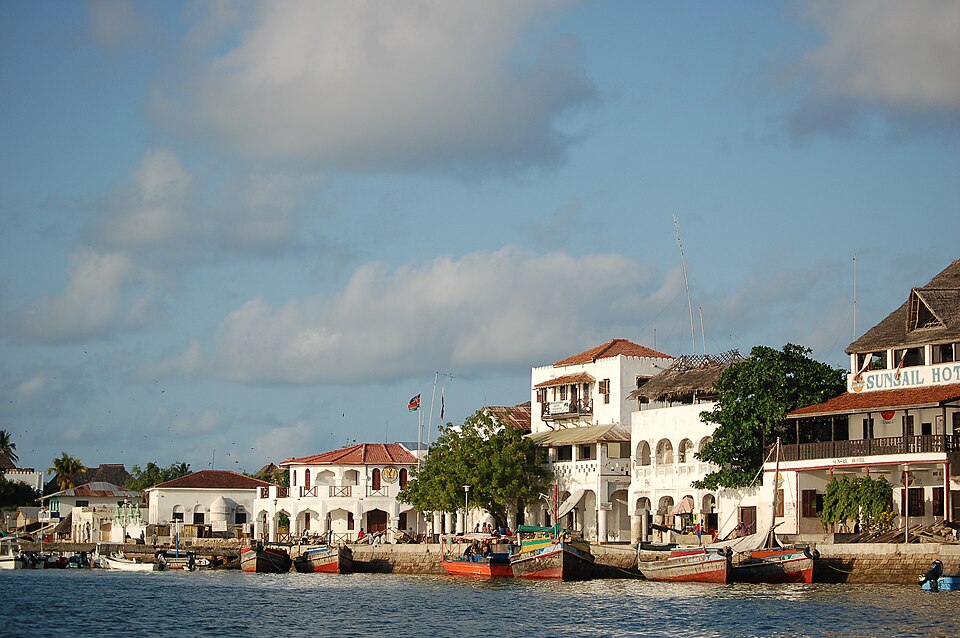
Three nights allow Old Town, Shela and a sunset sail. Five nights give enough space for Takwa or a full-day dhow without making weather ruin the itinerary. Seven nights suit a slower stay with a craft, food or conservation interest and at least two unplanned blocks.
Check current travel advice before booking activities
Lamu County has a serious and changeable security context, and government positions differ. Read the current official advice for your nationality and confirm insurance for the exact island, flight, boat route and activity before paying a non-refundable operator.
- United States travel advice
- United Kingdom travel advice
- Canada travel advice
- Australia travel advice
Advice may distinguish Lamu Island and Manda Island from mainland parts of the county, or cover the county more broadly. A tour being sold does not prove that it fits your policy. The Lamu travel guide explains the planning implications in more detail.
The first-visit shortlist
| Experience | Realistic time | Guide or operator? | Main planning issue |
|---|---|---|---|
| Guided Lamu Old Town walk | 2 to 3 hours | Local guide strongly recommended for context | Route, guide scope, dress, consent and commercial stops |
| Lamu Museum, Fort and Swahili House | 2 to 4 hours | Independent is possible; guide adds context | Current galleries, eCitizen payment, heat and walking surface |
| Sunset dhow sail | 2 to 3 hours | Verified captain and suitable vessel | Wind, capacity, life jackets, return jetty and night walk |
| Shela village and beach | Half day | Independent for a short visit; boat for transfer | Tide, heat, sandflies, water and return plan |
| Takwa Ruins | Half day | Boat captain plus competent site interpretation | Tide, shallow channel, landing, shade and return |
| Full-day dhow trip | 5 to 8 hours | Verified crew essential | Toilet, food, swimming, route, weather and no quick exit |
| Craft or dhow-building visit | 1 to 3 hours | Guide with prior permission | Whether work is happening, photography and payment |
| Food and market experience | 2 to 4 hours | Independent or clearly defined host/guide | Hygiene, allergy, consent, price and shopping pressure |
For a short first visit, the first five are enough. Remote Pate, Kiwayu, mainland or overnight sailing plans need their own security, communications, medical and insurance assessment. They are not minor upgrades to a Shela day.
1. Walk Lamu Old Town with a guide who can interpret it
UNESCO describes Lamu Old Town as the oldest and best-preserved Swahili settlement in East Africa, continuously inhabited for more than 700 years. Its coral-stone buildings, courtyards, carved doors, mosques, workshops, markets and waterfront make sense as a connected living town, not a sequence of decorative photographs.
A good guide should explain:
- how homes, courtyards and streets respond to climate and privacy;
- the town's African, Arab, Persian, Indian and European trading connections;
- differences among carved doors rather than inventing a story for every motif;
- public monuments versus occupied homes and religious spaces;
- dhow trade, workshops, markets and waterfront use today;
- where photography is welcome and where it is intrusive.
Agree the duration, language, route, museum entries, workshop stops, shopping time and final fee before starting. If a guide earns commission at a shop, ask for that to be disclosed. A cultural walk should not become a compulsory retail circuit.
What visitors liked and disliked
An October 2024 visitor said a guide materially improved a morning walk and reminded travellers to dress respectfully. A February 2024 solo visitor valued about two hours with a guide and found the narrow lanes useful shade. A March 2024 couple preferred Old Town's depth and daily life to Shela's more polished visitor setting.
Other visitors found the same environment difficult. A May 2024 group reported litter, open drainage, flies and persistent touting. A September 2025 Reddit traveller described Lamu as commercially pressured, while replies still valued the history, Shela and sunset dhows. Read the original Old Town reviews and Reddit discussion.
These accounts are not mutually exclusive. A town can be historically compelling and physically untidy, welcoming and commercially tiring, during the same visit. Wear closed shoes, watch for donkeys and motorcycles, keep valuables controlled and say no clearly when uninterested.
Go early, but do not treat homes as exhibits
Start before the strongest heat. Cover shoulders and knees in town, keep swimwear for the beach or boat, and ask before photographing a person, child, working craftsperson, doorway in use, worship or courtyard. A guide cannot grant consent on behalf of every resident.
Allow at least one unscripted stop for coffee, food or a workshop that genuinely welcomes visitors. The goal is to understand the town, not finish a list of doors.
2. Use the museum cluster to understand what you see outside
The National Museums of Kenya Lamu Museum page connects Lamu Museum with Lamu Fort, the Swahili House Museum, German Post Office Museum and Takwa Ruins. It currently lists daily opening from 8:00 a.m. to 6:00 p.m. and directs visitors to eCitizen payment. Recheck the page before the visit because galleries, ticket combinations and payment systems can change.
Lamu Museum
Visit the museum before or soon after the town walk. It provides a frame for maritime history, material culture, architecture and the archipelago. Ask at the entrance which galleries are open and whether one ticket covers another site that day.
An October 2023 couple liked the local artefacts but found the museum text-heavy and the fort less substantial than expected. Other 2022 and 2023 visitors criticised the post-renovation emphasis or encountered displays moved during works. Those are dated reports, not proof of the current installation. They justify checking which exhibits are open now. See the Lamu Museum visitor reports.
Budget 60 to 90 minutes if you read labels. A short visit can still improve the Old Town walk by explaining what a general guide might otherwise compress.
Lamu Fort
The fort is close to the main square and works as part of the cluster, not necessarily a separate half-day attraction. Confirm whether the interior, exhibitions and rooftop are accessible. Stairs and heat may determine whether a visitor with mobility limits gets meaningful value.
Swahili House Museum
The Swahili House Museum turns domestic architecture into a more legible visit. Ask whether a guide is present and which rooms are open. Continue to treat the surrounding lanes as a living neighbourhood rather than using the museum ticket as permission to peer into private homes.
German Post Office Museum
This is a smaller specialist stop. Include it when the ticket and opening align with the route; do not build the day around it without confirming access.
3. Sail at sunset only after checking the boat
A dhow sail is one of Lamu's strongest experiences because the archipelago is understood from the water. A short sunset sail is usually the best first purchase. It limits exposure to heat and removes the meal, toilet and long-swim complexity of a full day.
Recent reports about named products are strongly positive. April 2026 friends praised the vessel, sailing and collection from either Lamu Town or Shela. May and June 2026 visitors on another named dhow praised the crew, calm atmosphere and sunset experience. See the sunset cruise reports and Lady Lamu reports.
The evidence is useful but limited. Several reviews are brief or promotional in tone, and positive experience does not independently verify licensing, capacity or life jackets. Inspect the actual product.
| Boat check | What to ask or inspect | Why it matters |
|---|---|---|
| Operator | Current tourism licence or file and responsible business name | A beach contact may be a seller rather than the operator |
| Captain and crew | Who commands, who guides and who handles an emergency | Hospitality is not the same as navigation responsibility |
| Vessel | Name, registration, seaworthiness, motor, sail and capacity | “Traditional dhow” describes style, not condition |
| Life jackets | One correct size for every adult and child, worn before departure | Loose adult jackets do not protect small children properly |
| Route | Exact channel, beach, swimming stop and turnaround | “Island cruise” can conceal a much longer route |
| Weather | Who cancels, what condition triggers it and refund/reschedule terms | Sunset photographs cannot predict wind or rain |
| Return | Jetty, time, final walk and night contact | The activity ends after the dark walk to the room |
| Comfort | Shade, stable seat, spray, toilet, water and seasickness plan | A full day and a two-hour sail need different equipment |
The Tourism Regulatory Authority licence portal and Kenya Maritime Authority safety brochure provide useful operator and life-jacket checks. They do not replace looking at the arriving boat.
Do not pressure a captain to sail because the trip is the last evening. Wind, current, visibility and vessel condition outrank the sunset.
4. Decide whether a full-day dhow is actually better
A full-day dhow can include sailing, fishing, mangroves, a beach or sand stop, swimming and lunch. It also creates a five-to-eight-hour commitment with limited exit options.
Ask for:
- actual departure and return, not “full day”;
- route, landing and time under sail versus motor;
- maximum passengers and private/shared status;
- shade, seats, toilet and drinking water;
- swimming depth, current, supervision and life jackets;
- fish or seafood source, storage, cooking water and allergy control;
- beach or island permission and entry fee;
- weather cancellation and a shortened-route price;
- phone or radio and medical response.
Choose the short sail if anyone is prone to seasickness, needs a reliable toilet, has a serious food allergy, cannot board from water or does not want to swim. A full day is not more authentic simply because it costs more and travels farther.
5. Visit Shela village and use the beach at a human scale
Shela is a separate village on Lamu Island, reached from Old Town by water taxi or a substantial walk. The channel-front village, open beach and dunes are related but not the same place.
A February 2024 couple reported warm clear water and little crowding. An August 2025 visitor praised sea breeze, sunsets, dhow trips and the quiet shore. A December 2024 couple liked the beach but said sandflies caused severe irritation during their stay. These accounts on the Shela Beach review page describe particular days, not a forecast.
A sensible Shela half day
Arrive early, walk only as far as the group can comfortably return, inspect the water with current local advice, then use shade for lunch. Prearrange the return boat if staying in Old Town or Manda. Carry water even when the breeze hides the heat.
Ask the accommodation about current sandflies, tide, swimming section and boat pickup. Insect repellent may help, but avoid applying a product immediately before entering sensitive water unless its directions allow it.
Treat the dunes as water infrastructure and heritage setting
UNESCO says the Shela dunes are fundamental to Old Town's setting and freshwater supply and are vulnerable to development. Do not drive on them, leave waste or invent an off-route vehicle experience. Use an established guide and route, keep the walk short in strong heat and ask before entering community land.
6. Visit Takwa Ruins with the tide in the plan
National Museums of Kenya describes Takwa as the remains of a 15th- and 16th-century Swahili trading settlement on south-eastern Manda Island. The site is open daily according to the current page, and the shallow approach historically admitted vessels of limited draft. That geography still makes captain, vessel and tide central to the visit.
An April 2023 group praised its guide and the historical explanation while stressing the heat. A December 2018 visitor enjoyed the mangrove approach but said low tide trapped the boat and forced an improvised return by motorcycle and walking; the visitor also found on-site explanation limited. The second report is old and cannot establish today's operation, but it identifies a real tidal mechanism to question. Read both on the Takwa visitor page.
Confirm:
- current opening and eCitizen or other official payment;
- outbound and return tide window;
- vessel draft and exact landing;
- guide identity and historical scope;
- shade, water, footwear and toilet;
- return plan if the channel becomes too shallow;
- whether a beach or picnic stop changes the total time and fee.
Takwa is a small archaeological site. Its value comes from the boat, mangrove landscape, interpretation and the settlement's place in the archipelago, not the number of standing walls.
7. See craft and dhow building only with permission
Matondoni is often suggested for dhow construction, while Old Town and Shela contain woodcarvers, silversmiths, weavers and other craftspeople. These are working places. A workshop may be between commissions, closed, private or too busy to host visitors.
Arrange through a guide who has a real relationship with the craftsperson. Before arriving, agree whether the visit is demonstration, conversation, lesson or shopping. Ask about a fee, minimum purchase and photography. Pay the artisan directly where appropriate and do not interrupt hazardous work for a staged photograph.
Independent current visitor evidence for a standard Matondoni product is thin. That is why this guide does not promise a boat-building demonstration or recommend one unnamed seller. Verify what is genuinely happening on the day.
8. Use food to understand Lamu, not just fill an itinerary slot
A market walk, Swahili meal or cooking session can explain coconut, rice, fish, legumes, breads, spices and the island supply chain. It can also become a shopping route or private-home performance if expectations are unclear.
For a hosted meal or cooking class, ask:
- who hosts and who is paid;
- whether the location is a home, restaurant or teaching kitchen;
- exact menu and which steps guests perform;
- handwashing, drinking water and food storage;
- allergies and cross-contact;
- photography and whether children are present;
- total duration and return after dark.
For independent meals, use the Lamu restaurant guide. It separates Old Town, Shela and Manda and will include named venue evidence rather than treating every seafood plate as interchangeable.
9. Approach donkey welfare responsibly
Donkeys move goods through streets that vehicles cannot use. They are working animals, not automatic tourist rides. Do not ride because a guide inserts it into a package. Observe body condition, load, tack, treatment and rest. If anything looks harmful, decline and do not reward the activity.
An animal-welfare visit should use the organisation's current public hours and donation method. Do not touch, feed or photograph a treatment without staff permission. The visit should support care rather than create another demand on the clinic.
What visitor reports add to the plan
| Experience and date | Positive observation | Limitation or disagreement | Planning lesson |
|---|---|---|---|
| Old Town, Oct 2024 | Knowledgeable guide improved the walk | Needed respectful dress and a purposeful route | Define the guide's scope before starting |
| Old Town, May 2024 | Historical setting remained the reason to visit | Litter, drainage, flies and touting caused disappointment | Expect a living town, use closed shoes and control commercial approaches |
| Lamu Museum, Oct 2023 | Interesting local artefacts | Text-heavy display and less value in the fort for that couple | Ask what is open and group the sites rather than overscheduling |
| Shela Beach, Feb 2024 and Aug 2025 | Visitors liked water, breeze, quiet and sunsets | Dec 2024 couple reported severe sandfly irritation | Check current insects and conditions; carry a fallback |
| Dhow products, Apr to Jun 2026 | Named crews, sailing, pickup and atmosphere were praised | Recent critical evidence on these pages was thin and reviews sometimes promotional | Inspect licensing, boat and safety rather than relying on praise |
| Takwa, Apr 2023 and Dec 2018 | Guide, history and mangrove journey added value | Heat; older trip was disrupted by low tide | Protect shade and require a tide-aware return plan |
Visitor reports reveal friction that official pages may not show. They do not establish official prices, permanent site condition, today's sea state or the quality of every guide.
Plan by the number of nights
| Stay | Core experiences | Optional addition | Leave free |
|---|---|---|---|
| 3 nights | Old Town walk and museum cluster, Shela half day, sunset dhow | None unless arrival is early and reliable | Arrival or departure block |
| 5 nights | Core three plus Takwa or full-day dhow | Craft or food session | One weather block |
| 7 nights | Core, Takwa, one longer water day, craft/food interest | Second beach or wellness day | At least two slow blocks |
Do not book Takwa and a full-day dhow back to back without a spare day. Boat plans share wind, tide and operator dependencies. A museum or food experience is a better weather counterpart.
A practical five-night sequence
- Arrival: airport boat, check-in and only a short orientation.
- Day 1: museum first, then a guided Old Town walk and early rest.
- Day 2: Shela village and beach, then a checked sunset dhow.
- Day 3: Takwa if the tide and conditions work.
- Day 4: free morning, craft or food session, or rescheduled boat.
- Departure: protect the flight with a generous boat buffer.
The free day is not wasted capacity. It is what prevents a tide or wind change from removing the trip's main water experience.
Costs: compare the complete experience
Do not reuse a visitor's old KES fare as a current price. Agree the currency, unit and inclusions in writing.
| Cost line | What to specify | Common ambiguity |
|---|---|---|
| Guide | Per person or group, hours, route, language | Shopping commission or extra site introduced later |
| Museum/site entry | Visitor category, sites included, official receipt | Old cash price quoted after eCitizen change |
| Boat | Private/shared, vessel, capacity, route and hours | Per-seat quote compared with whole-boat hire |
| Food | Menu, water, allergy control and service | “Lunch included” without portion or preparation detail |
| Transfer | Pickup jetty, return, waiting and night charge | Activity ends at a different island |
| Equipment | Life jacket, snorkel gear, shade and dry storage | Generic “everything included” |
| Weather change | Refund, reschedule or shorter route | Captain cancels but seller keeps the full fee |
Pay the verified business or guide through the agreed channel. Independently confirm any later request to send money to a different number. Ask for a receipt naming the service, date, party and amount.
Children, older travellers and accessibility
Children
Shorten every plan. Confirm child-sized life jackets, direct adult supervision, shade, toilet, familiar food and pool or museum fallback. Open balconies, rooftops, boats and deep water require active supervision even when staff are friendly.
Older travellers
Ask about heat, walking surface, rest stops, boat boarding and the height of the gunwale. A two-hour tour can be difficult if there is nowhere to sit. Carry essential medication with the person, not in luggage left on another island.
Limited mobility
Request current video of the route from jetty to site, including steps, sand, mud, handrails, narrow doors and toilet. Takwa and a traditional dhow may involve wet or unstable boarding. “We will lift you” is not a complete or dignified access plan.
Choose a museum, short waterfront experience or stable motorboat only after the exact transfer is assessed. The absence of cars does not make Old Town automatically accessible.
Common mistakes
- Trying to see every named island in three nights.
- Walking Old Town without historical context, then judging it only by condition.
- Allowing a guide to turn the walk into compulsory shopping.
- Wearing beach clothing through a conservative residential town.
- Photographing residents, homes or worship without consent.
- Booking “a dhow” without identifying the actual vessel and captain.
- Taking a child aboard without a correctly fitted child life jacket.
- Buying a full-day cruise without toilet, food and swim details.
- Visiting Takwa without a tide-aware return plan.
- Walking too far on Shela Beach without water or arranged return.
- Treating the dunes as a vehicle playground rather than a protected water catchment and heritage setting.
- Adding a remote island while ignoring current advisory and insurance boundaries.
Frequently asked questions
What should I not miss in Lamu?
Do not miss a guided Old Town walk, the museum/fort/Swahili-house cluster, time in Shela and a checked sunset dhow. Add Takwa if the tide and boat plan are clear.
How many days do you need in Lamu?
Three nights cover the essentials tightly. Five nights are better because they allow Takwa or a longer dhow plus weather flexibility. Seven suit a deliberately slow island stay.
Can you explore Lamu Old Town without a guide?
Yes, but a good guide gives the architecture, trade, religion and working town context that is easy to miss. Agree the route, fee and shopping stops before starting, then leave time to wander independently.
How much is a dhow trip?
There is no useful permanent price without the vessel, private/shared status, duration, route, food, guide and pickup. Obtain an itemised current quote and compare the same product.
Is a sunset dhow safe?
No boat product is automatically safe. Verify the operator, captain, vessel, capacity, life jackets, weather policy, communications and return. Inspect what arrives before boarding.
Is Shela Beach safe for swimming?
Conditions vary with tide, wind and exact section. Ask experienced local staff who can see the water that day, stay within ability and supervise children directly.
Is Takwa worth visiting?
Yes for travellers interested in Swahili history, mangroves and the archipelago. The ruins are not enormous, and heat plus tide can dominate the day. A competent guide and reliable return make the difference.
Can I visit Pate or Kiwayu from Lamu?
Only after a fresh travel-advisory, insurance, transport, communications and medical assessment for the exact route. Do not treat a remote island as a simple add-on to a standard Lamu excursion.
What can you do in Lamu when it rains?
Use the museum cluster if open, take a shorter guided town route between showers, arrange a covered meal or cooking session, and move the boat. Do not pressure a captain to operate in poor conditions.
Continue planning Lamu
- Choose the right base and exact room with where to stay in Lamu.
- Use the Lamu travel guide for flights, boats, culture and risk planning.
- Match meal plans and evening boats with the Lamu restaurant guide.
- Protect water activities with the Lamu weather guide.
- Compare the archipelago with other shore types using the Kenya coast beaches map.
Sources and visitor evidence
Heritage and site information comes from the UNESCO Lamu Old Town listing, National Museums of Kenya Lamu Museum page and National Museums of Kenya Takwa page. Boat checks use the Tourism Regulatory Authority portal and Kenya Maritime Authority safety guidance. Current risk questions must be checked on the linked government advisory for the traveller's nationality.
Balanced experience evidence comes from the linked pages for Lamu Old Town, Lamu Museum, Shela Beach, Takwa Ruins, sunset dhow products and the clearly labelled Reddit visitor discussion.
Visitor reports describe one date, guide, vessel, site condition or personal preference. They do not establish current official prices, universal safety, today's weather or the quality of every operator.
Send a correction or updated first-hand detail
Affiliate disclosure
This article currently contains no affiliate links. If commercial tour, activity or accommodation links are added after programme acceptance, Mombasa Rentals may earn a commission at no extra cost to the reader. Inclusion and ordering will remain editorial decisions.