

Mombasa travel guide
Best Things to Do in Mombasa: Attractions, Beaches and Tours
The best first Mombasa itinerary combines Fort Jesus and Old Town, one north-coast beach or marine-park morning, and one nature or community stop such as Haller Park, Nguuni Nature Sanctuary or Bombolulu Workshops. That gives a first-time visitor the city’s history, Indian Ocean setting and contemporary local life without spending the whole trip crossing Mombasa in traffic.
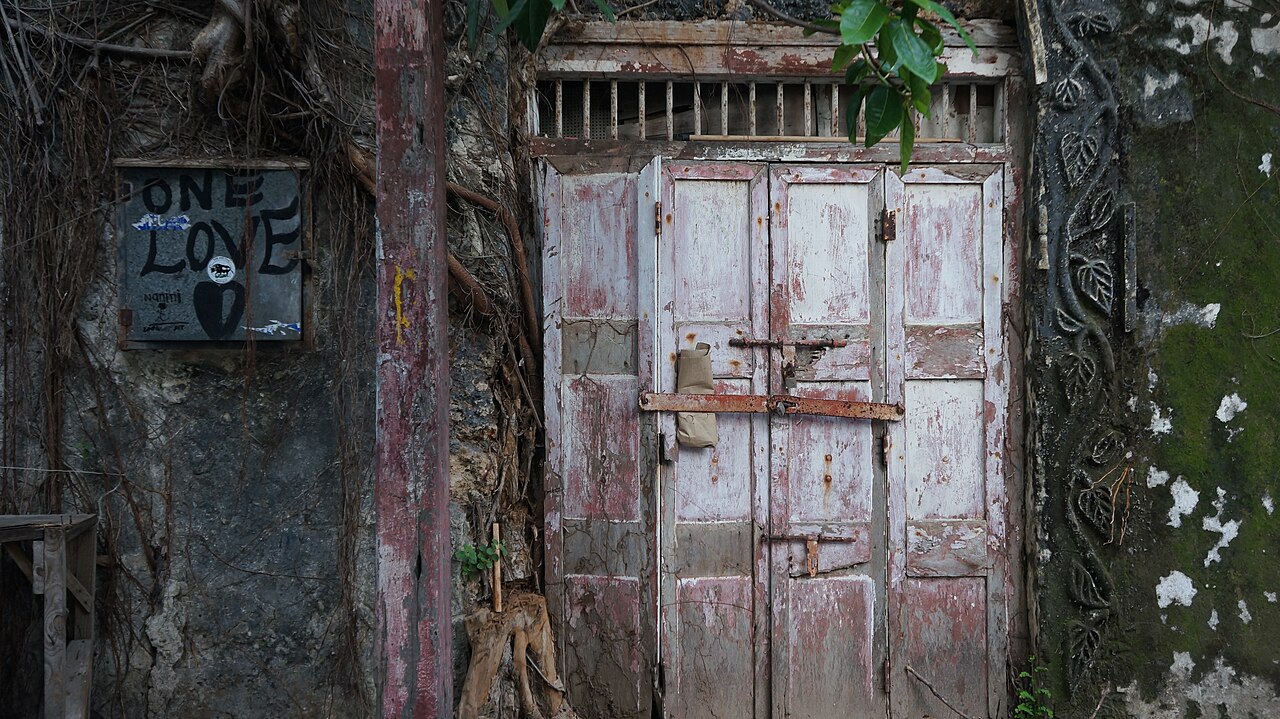
Do not treat every popular listing as an essential stop. Fort Jesus rewards historical interest; Old Town is a living neighbourhood and is better with cultural context; the marine park depends on tide, wind and operator quality; Haller and Nguuni overlap enough that a short-stay visitor may choose one. Wasini, Diani and Tsavo are worthwhile separate excursions, not quick Mombasa attractions.
Mombasa activities at a glance
| Experience | Best for | Time to allow | Main decision before going |
|---|---|---|---|
| Fort Jesus | First visits, history and architecture | 1.5 to 2.5 hours | Self-guided museum visit or a properly identified guide |
| Mombasa Old Town | Culture, street architecture and photography | 1.5 to 3 hours | Independent short walk or a guide who adds historical context |
| Mombasa Marine National Park | Snorkelling, reef viewing and non-swimmers using a glass-bottom boat | 3 to 5 hours | Tide, sea state, park fee and boat inclusions |
| Haller Park | Families, wildlife and rehabilitation history | 2.5 to 4 hours | Feeding schedule, walking conditions and current animal-welfare concerns |
| Nguuni Nature Sanctuary | Quieter nature, birds, picnics and pre-booked sundowners | 2 to 3 hours | Advance booking, return transport and whether it duplicates Haller |
| Bombolulu Workshops | Craft, social enterprise and a different view of Mombasa | 1.5 to 3 hours | Which workshops, tours and performances operate that day |
| Nyali, Bamburi or Shanzu beach | Rest, swimming and an unstructured coast day | 2 hours to a full day | Tide, currents, public access, shade and vendor pressure |
| Wild Waters | Families and groups who will use water slides | 4 to 8 hours | Height or ride rules, safety procedures and whether adults need slider tickets |
| Mama Ngina Waterfront and central Mombasa | Public space, harbour views, snacks and city context | 1 to 3 hours | Heat, crowds and confirmed return transport |
How should you group Mombasa’s attractions?
Mombasa Island, Nyali, Bamburi and Shanzu form a north-south sequence rather than one compact resort town. Grouping activities by location saves time and makes the day less fragile.
| Planning day | Stops that fit together | Combination to avoid |
|---|---|---|
| Historic island day | Fort Jesus, Old Town, Old Port context, spice market, Moi Avenue tusks and a city lunch | Adding Haller Park unless the group is comfortable with a long cross-city day |
| Nyali day | Nyali Beach, Wild Waters, Bombolulu and a Nyali restaurant | Returning repeatedly to the island between stops |
| Bamburi nature day | Haller Park, Bamburi beach and a north-coast dinner | Haller and Nguuni automatically, unless nature is a main interest |
| Marine morning | Boat trip from the confirmed launch point, followed by a quiet beach or hotel afternoon | A fixed museum booking immediately after a weather-dependent boat trip |
| Farther-north day | Shanzu beach, Mtwapa-side dining or onward travel toward Kilifi | An early island tour followed by several far-north stops |
If you stay in Shanzu, plan one deliberate island day. If you stay on Mombasa Island, group north-coast activities rather than paying for several separate bridge crossings. Travellers arriving from a long-haul flight should keep the first afternoon light instead of putting a prepaid marine trip at risk.
1. Visit Fort Jesus for the clearest introduction to Mombasa
UNESCO describes Fort Jesus as a Portuguese fort built from 1593 to 1596 to protect Mombasa’s port. Its architecture, later alterations and changes of control reflect competition and exchange among African, Arab, Turkish, Persian and European powers around the Indian Ocean. It became a UNESCO World Heritage Site in 2011.
The museum visit works without a guide if you are comfortable reading displays and following the building. A good guide adds chronology, points out architectural changes and connects the fort with Old Town and the Old Port. Agree on the route, duration, language and fee before starting. An unsolicited approach outside the gate is not proof that the person is authorised.
Fort Jesus admission and timing
National Museums of Kenya’s 2026 fee notice lists the following Fort Jesus prices. These are museum admission fees, not guide fees. Recheck the official page before visiting because public rates and payment systems can change.
| Visitor category | Adult | Child | Published currency |
|---|---|---|---|
| Kenya and East African citizen | 550 | 300 | KES |
| Kenya resident or visitor from the rest of Africa | 9 | 6 | USD |
| Visitor from outside Africa | 17 | 8 | USD |
The same notice gives general museum admission hours of 8:30 a.m. to 5:30 p.m., Monday to Sunday, including public holidays, and directs visitors to eCitizen for cashless payment. Arrive earlier in the day for lower heat and enough time to read the galleries. Do not build a day around an evening sound-and-light show unless Fort Jesus confirms that it is actually operating.
What recent visitors report
Recent reports show why a guide and current operating check are separate decisions. Gaelle S, visiting as a couple in March 2026, said an officially badged French-speaking guide made the fort and Old Town history easier to understand and agreed the fee before the tour. Thomas R, visiting in May 2025, arrived for a sound-and-light show that had already been discontinued and reported a slow ticket process and a pushy environment outside. These are individual experiences, but together they support two practical steps: confirm special programming directly and settle any guide arrangement before leaving the entrance.
Source: Fort Jesus visitor reports on Tripadvisor.
2. Walk through Old Town as a neighbourhood, not a photo set
Old Town is part of Fort Jesus’s UNESCO buffer zone and remains a residential, religious and commercial district. Its coral-stone buildings, carved doors, enclosed balconies, mosques, shops and street proportions reveal Mombasa’s long connection with Swahili, Arab, Indian and European trade. The attraction is not one monument. It is the relationship between the built environment, the port and everyday life.
A short independent walk can work for confident visitors who have mapped a simple daytime route. A guide is more useful when you want to understand building details, religious context, migration and trade rather than simply photograph doors. Wear light clothing that covers shoulders and knees, ask before photographing people, avoid pointing cameras into homes and do not block entrances.
The largest practical complaint is not about the architecture. It is uncertainty around guide approaches, shopping stops and prices. A February 2026 Google reviewer aggregated by Wanderlog appreciated the area but felt overwhelmed by guide offers and believed a market purchase was misleading. By contrast, several March and April 2026 Tripadvisor visitors said a clearly identified guide improved the history and navigation. Neither account proves that every guide is reliable or unnecessary. Ask who employs the guide, agree on shopping stops and keep purchases voluntary.
See the Mombasa Old Town walking guide for a route, dress guidance and guide checklist.
3. Choose the marine park for reef time, not a guaranteed wildlife show
Kenya Wildlife Service describes a protected core marine park of about 10 square kilometres inside a much larger reserve. The experience sold to visitors is normally a glass-bottom boat, snorkelling, a reef stop at suitable tide, or a combination. The park fee and the boat operator’s charge are separate unless the quote explicitly says otherwise.
A glass-bottom boat can suit a non-swimmer, a mixed-age family or a traveller who does not want to snorkel. It does not guarantee clear viewing. Visibility depends on sun, wind, water movement and where the boat goes. Snorkellers should ask about flotation aids, guide-to-guest ratio, equipment condition, entry method, current and what happens if conditions deteriorate.
Current conservation fees
KWS’s current Mombasa Marine National Park page lists these conservation fees. Confirm them again during booking and ask the operator whether it collects the fee or expects you to pay KWS separately.
| Visitor category | Adult | Child |
|---|---|---|
| East African citizen | KES 500 | KES 250 |
| Kenya resident | KES 675 | KES 350 |
| African citizen outside East Africa | USD 15 | USD 10 |
| Non-resident | USD 25 | USD 15 |
The boat quote should separately state the launch point, total duration, private or shared arrangement, passenger limit, life jackets, snorkel equipment, in-water guide, towels, drinks, transfers and cancellation terms. Do not assume a beach seller’s first amount includes the park fee.
Tide, reef walking and marine ethics
A March 2025 Tripadvisor reviewer enjoyed the coral and fish seen through a glass-bottom boat and while snorkelling, but reported a delay after being directed to the wrong boat. A June 2024 reviewer liked the reef and guide support but found the water windy and difficult for snorkelling. Another visitor said a high-tide departure meant the reef walk was unavailable, which the operator had disclosed before booking.
These reports show why “marine park tour” is not one standard product. Ask what the tide allows at the planned departure time. Do not stand on living coral, collect shells, touch wildlife or accept fish-feeding as necessary entertainment. Reef shoes protect feet, but they do not make walking on live coral acceptable. Follow the ranger and guide even if another boat behaves differently.
Source: Mombasa Marine National Park visitor reports.
4. Visit Haller Park for rehabilitation history and an easy wildlife outing
Haller Park began as part of a limestone quarry rehabilitation effort. The park’s official site describes a restored landscape with giraffes, hippos, reptiles, wetlands, forest paths and a butterfly pavilion. That restoration story is the reason to visit. It should not be described as a substitute for a free-ranging national-park safari.
The official site lists daily hours of 8:00 a.m. to 5:00 p.m. and places the entrance in Bamburi, off the Mombasa-Malindi Road. Feeding and animal activity times can shape the visit more than the opening hours. Contact the park for the current schedule and ticket before choosing an arrival time.
Wear closed or secure shoes, carry water and insect repellent, and allow more time than a quick zoo circuit. Families should ask which paths work with a stroller, how far toilets are from the main route and which animal encounters have barriers or staff supervision.
Visitor praise and a serious conflicting report
Pradip Madgaonkar, visiting as a couple in March 2026, enjoyed the range of animals and considered giraffe feeding a highlight, but found some signs confusing. In the same month, Trudy M, visiting with friends, reported poor animal and water conditions and said she would not return. An April 2025 couple had described the park as well maintained and educational.
The disagreement is material. A guide should not hide an animal-welfare concern or present one visitor’s observation as an inspection finding. Travellers for whom welfare is decisive should read the newest detailed reports, ask Haller Park about current husbandry and maintenance, and be willing to choose a different activity if the answers are not satisfactory.
Source: Haller Park visitor reports.
5. Choose Nguuni for a quieter, pre-arranged nature visit
Nguuni Nature Sanctuary is inland from Bamburi and works differently from Haller. Nguuni’s official site describes nature walks, cycling, birdwatching, picnics and pre-booked sundowners among giraffes, oryx, waterbuck and ostriches. It is managed by the Baobab Trust and also supports education, health and conservation work.
The current official visitor information lists:
| Detail | Published information |
|---|---|
| Monday to Saturday | 9:00 a.m. to 5:00 p.m. |
| Sunday | 10:00 a.m. to 5:00 p.m. |
| Non-resident adult or child | KES 1,200 or KES 600 |
| Resident adult or child | KES 500 or KES 200 |
| Sundowner | Advance booking required; later closing available by arrangement |
| Birdwatching | Advance booking required in specified morning or afternoon windows |
The sanctuary asks visitors to call before arrival. Do that even if an older third-party page gives different hours or fees. Arrange the journey back in advance because app-based transport and mobile data may be unreliable at the site. Angie, visiting in October 2025, praised the guide and close wildlife experience but specifically advised pre-booking a taxi because Wi-Fi was not working. That is one report, not a permanent connectivity fact, yet it is sensible transport planning.
Choose Nguuni over Haller when the group wants a quieter guided nature walk, picnic or booked sunset. Choose Haller when a wider range of exhibits and a more conventional attraction format is useful. Visiting both can make sense for keen birders or conservation interest, but not because a generic top-ten list includes both.
Source: Nguuni Nature Sanctuary visitor reports.
6. Visit Bombolulu Workshops when craft and social enterprise matter
Bombolulu Workshops and Cultural Centre is associated with the Association for the Physically Disabled of Kenya and supports artisans producing jewellery, textiles, woodwork, leather goods and mobility equipment. A visit can include workshop areas, a cultural section and a shop, but the programme is not always identical.
Peter, visiting as a couple in June 2025, found the guided explanation particularly worthwhile and encouraged visitors to support the shop. Other recent reports praised the purpose and craft but the available visitor evidence is much thinner than for Fort Jesus or Haller Park. Do not infer that every workshop, performance or restaurant service will be operating. Contact the centre before travelling, ask what the visit includes and buy only what you genuinely want.
This is a better choice than another beach afternoon for travellers interested in design, craft production, disability inclusion or social enterprise. It may disappoint someone expecting a continuously scheduled cultural show without checking first.
Source: Bombolulu Workshops visitor reports.
7. Match the beach to the rest of the day
Nyali, Bamburi and Shanzu are not interchangeable labels for the same beach. Access points, hotel frontage, nearby food, public activity and tide conditions differ.
| Beach area | Works best for | Main limitation to check |
|---|---|---|
| Nyali | A beach segment combined with restaurants, shopping or an island day | High tide can narrow the exposed sand; public sections can feel busy |
| Bamburi and Jomo Kenyatta public beach | Activity choice, local atmosphere and easy access from many resorts | Persistent selling, crowds and the need to verify the safe swimming section |
| Shanzu | Travellers already staying farther north and wanting a resort-led day | Longer trip to city attractions and fewer reasons to cross back repeatedly |
Suzan H, visiting Nyali solo in July 2026, found it beautiful and convenient but also touristy and crowded, and noted that high tide covered much of the beach. Bassam Mukresh, visiting with friends in October 2025, described calm water and a relaxing day. Those reports can both be true at different times and sections. Check the tide, ask the hotel or a local lifeguard about currents and do not convert one calm-water comment into a safety guarantee.
Beach sellers may approach repeatedly. Decide whether you want an activity before giving out a telephone number. Ask for the operator’s name, written inclusions and cancellation terms rather than paying from a verbal pitch. Keep valuables attended and arrange return transport before dark.
Source: Nyali Beach visitor reports.
8. Use Wild Waters as a real half-day or full-day activity
Wild Waters is a waterpark on Links Road in Nyali. Its official pricing page lists Tuesday to Sunday opening from 10:00 a.m. to 6:00 p.m., with Monday opening varying during school holidays and public holidays. It lists KES 1,800 for resident sliders, KES 2,000 for non-resident sliders and KES 400 for non-sliders or non-swimmers over two years old. Children under two are listed as free. Food, lockers and towels are not included; the page lists a KES 200 locker charge plus a refundable deposit.
It is poor value as a rushed one-hour stop because admission is not reduced for late arrival. It works better when children are old enough for the available rides and the adults understand whether they are supervising, sliding or paying only for entry.
PATRICK K, visiting as a couple in July 2026, praised the slides and attendants and spent about four hours, but found cafeteria service slow. A family reviewer in April 2026 reported a troubling slide-safety incident and criticised staff response. Another family in the same month enjoyed a full day with short queues but considered food and drinks expensive.
The critical report is an individual allegation, not a verified accident investigation, but it is too relevant to omit. Ask the park about current height rules, raft positioning, attendant procedures, first aid and how a guest can stop a launch if they are not correctly seated. Follow posted instructions and do not pressure a child onto a ride.
Source: Wild Waters visitor reports.
9. Add central Mombasa without pretending every stop is an attraction
The Moi Avenue tusks are a quick city landmark, not a half-day experience. Combine them with a central market, a meal, Fort Jesus or Mama Ngina Waterfront. The waterfront provides open public space and views toward the Kilindini Channel and Likoni ferry traffic. Its character changes with weekday, weekend, event and time of day.
Plan for heat and limited shade during parts of a city walk. Keep valuables discreet in crowds and arrange onward transport rather than assuming a pleasant sunset walk will end beside an available taxi. Food stalls can add useful local flavour, but inspect hygiene, confirm the price and choose a busy stall with good turnover.
Markets and the waterfront are contemporary public spaces. They should not be sold as staged “authentic” experiences. A guide can help with language and context, but shopping commissions should be disclosed and purchases must remain optional.
10. Decide carefully whether to add Mamba Village
Mamba Village is commonly included in older Mombasa lists because of crocodiles and family facilities. Wildlife attractions deserve more scrutiny than a normal restaurant or viewpoint. Before adding it, check current opening, enclosure and animal-welfare conditions, feeding practices, accessibility and whether the experience aligns with the group’s values.
This guide does not rank it as essential because reliable, current operating and welfare evidence is weaker than for the other major choices. Its presence on many top-ten pages is a research lead, not proof that it belongs in every itinerary.
11. Use a city tour only when the guide adds something
A guided Mombasa tour can solve three problems at once: transport between island stops, navigation through Old Town and historical explanation. It is most useful for first-time international visitors, cruise passengers, travellers with a short stop or anyone who would otherwise skip the city because the logistics feel uncertain.
Before booking, ask for:
- the guide’s name, language and credentials;
- the exact route and walking time;
- group size and vehicle type;
- every admission included or excluded;
- whether Old Town shops are scheduled and whether purchases are optional;
- hotel pickup limits and the likely bridge or ferry route;
- heat, toilet and meal breaks;
- cancellation terms and the return point.
A driver is not automatically the historical guide described in the listing. A “full day” can also include long collections from other hotels. Compare the useful guided time, not only the headline duration.
12. Treat Diani, Wasini and Tsavo as separate excursions
Diani Beach requires a southbound transfer and usually the Likoni channel route unless a bypass route is chosen. Wasini and Kisite-Mpunguti normally involve an even longer day through the south coast. The Wasini Island tour from Mombasa guide explains the early pickup, Shimoni road leg, marine fees, boat safety and dolphin uncertainty. Tsavo East is a safari decision with substantial road time, not an attraction to add after lunch.
| Excursion | When it makes sense from Mombasa | When to base elsewhere instead |
|---|---|---|
| Diani day trip | You have limited coast nights and specifically want to compare beaches | Stay in Diani if you want several beach days or south-coast restaurants |
| Wasini and Kisite-Mpunguti | You accept an early start and a long transfer for a marine day | Depart from Diani when possible to reduce north-coast road time |
| Tsavo safari | You have at least two days and want a safari linked to the coast | Use a dedicated safari itinerary instead of forcing a same-day return |
| Shimba Hills | You want a shorter wildlife and landscape excursion than Tsavo | Base in Diani for easier access and a less fragile day |
See the Mombasa to Diani transport guide, Diani travel guide and the planned coast-safari guide before committing a short Mombasa stay to a distant excursion.
Which Mombasa activities suit different travellers?
| Traveller | Strong first choices | Important adjustment |
|---|---|---|
| First-time visitor | Fort Jesus, Old Town, one beach or marine morning, Haller or Bombolulu | Group the island and north-coast days |
| Family with young children | Short beach morning, Haller or Nguuni, Wild Waters only if ride rules fit | Protect nap time and avoid peak-heat walking |
| History-focused traveller | Fort Jesus, Old Town, Old Port context and central-city route | Use a guide with real historical knowledge |
| Non-swimmer | Glass-bottom boat, waterfront, cultural and nature stops | Confirm the boat experience still works without snorkelling |
| Traveller with limited mobility | Fort Jesus with route questions, vehicle-supported city tour, selected accessible venues | Ask about surfaces, steps, toilets and transfer vehicles in detail |
| Solo traveller | Guided island walk, Nyali beach with a secure base, organised marine trip | Confirm return transport and avoid isolated shortcuts after dark |
| Repeat visitor | Bombolulu, Nguuni, a food route and less-rushed public spaces | Skip headline attractions already seen instead of repeating a generic list |
A realistic one, two, three or five-day activity plan
If you have one day
Start at Fort Jesus, continue through Old Town with a planned route or guide, eat in the city and see the tusks or waterfront. This is the strongest Mombasa-specific day. Do not spend half of it driving to a distant beach unless the group has no other coast time.
If you have two days
Keep the historic island plan for day one. Use day two for a marine-park morning if conditions are suitable, followed by a quiet beach or hotel afternoon. A non-swimming family can replace the marine trip with Haller Park and Nyali.
If you have three days
Add Haller Park, Nguuni or Bombolulu according to interest. Haller suits an easy wildlife outing; Nguuni suits a quieter pre-arranged nature experience; Bombolulu suits craft and social-enterprise interest. Do not include all three only to increase the stop count.
If you have five days
Add one unstructured beach day and one deliberately chosen excursion or food-focused day. Keep a weather-flexible slot for the marine trip. A five-day stay still does not require daily cross-city travel.
Costs that activity listings often hide
| Cost | Why it is missed | What to ask |
|---|---|---|
| Conservation or museum admission | Operator price may cover only guiding or transport | Is official entry included for every nationality and child age? |
| Boat | “Marine park” can be sold without an itemised vessel price | Is it private or shared, and what is the maximum passenger count? |
| Equipment | Mask, fins, life jacket, towel or reef shoes may be separate | What is supplied, in which sizes and in what condition? |
| Guide | Fort or Old Town guide may be arranged after arrival | What is the total fee, duration, language and route? |
| Transfer | North-coast pickup can add time and cost | Is collection private, and which hotels are included? |
| Food and water | A half-day can run through lunch | What is included, and can dietary needs be handled? |
| Tips and shopping | Guides may steer visitors toward shops | Are shopping stops optional and are commissions involved? |
Pay through the operator’s established channel. If payment instructions change after booking, verify the new account using a separate known contact. Keep the receipt, written inclusions, cancellation policy and meeting point offline.
Accessibility, heat and family planning
“Suitable for everyone” is not an accessibility description. Ask about the distance from vehicle drop-off to entrance, number of steps, surface type, handrails, seating, shade, toilet access and emergency route. For a boat, ask about wet boarding, ladder depth, whether the vessel has a stable handhold and how a mobility device will be stored.
Mombasa heat changes the practical difficulty of Old Town lanes and open museum areas. Schedule walking early, carry water and build a seated stop into the route. Children should have a real meal and rest plan rather than being moved from one attraction to the next because each looks short on a map.
Common mistakes to avoid
- Treating Mombasa Island, Nyali, Bamburi and Shanzu as one walkable area.
- Booking the marine park at a fixed time without understanding tide and wind.
- Paying a boat seller without separating the KWS fee, boat, guide and equipment.
- Hiring an Old Town guide before agreeing on price, route and shopping stops.
- Assuming a sound-and-light show, feeding session or cultural performance runs every day.
- Calling Haller Park a safari or expecting free-ranging wildlife.
- Including Haller and Nguuni without deciding what each adds.
- Reading one calm-water review as proof that a beach is always safe.
- Ignoring a credible safety or animal-welfare complaint because most ratings are positive.
- Adding Wasini, Diani or Tsavo to a short stay without accounting for transfer time.
Frequently asked questions
What is the number one thing to do in Mombasa?
For a first visit, combine Fort Jesus and Old Town. Together they explain more about Mombasa’s history and identity than a generic resort or shopping stop. Use a guide if you want context beyond the museum displays and a simple mapped walk.
How many days do you need for Mombasa attractions?
Three full days cover the historic island, one marine or beach day and one nature or community activity without rushing. Five days allow an unstructured resort day and one larger excursion.
Can you visit Fort Jesus and Haller Park on the same day?
Yes, but it creates a cross-city day. Start early at Fort Jesus, keep Old Town focused and allow traffic time to Bamburi. The combination is more practical from Nyali than from Shanzu, but separate days are better if you have time.
Is Mombasa Marine National Park suitable for non-swimmers?
A glass-bottom boat can be suitable if the operator provides a worthwhile route without requiring snorkelling. Confirm visibility expectations, boat shade, life jackets, boarding and what happens if the sea is rough.
Is Haller Park ethical?
Haller Park presents a significant quarry-rehabilitation story, and many visitors praise the experience. A recent visitor also raised serious concerns about animal conditions. Read current detailed reports and ask the park directly about welfare and maintenance rather than relying on a score or an old reputation.
Are Mombasa beaches free?
The shoreline includes public-access areas, while hotels and clubs may charge for their private facilities, parking, pools, shade or day-use arrangements. Ask for the actual public entrance and never assume a hotel day pass is the only way to reach the beach.
Do I need to book Mombasa activities in advance?
Pre-book specialist guides, marine trips, Nguuni sundowners and long excursions, especially during holiday periods. Fort Jesus and ordinary beach time can remain more flexible, but current opening and payment information should still be checked before departure.
How this guide was researched
Official and primary sources were used for history, protected-area rules, admission categories and operating information. Visitor reports were used for lived issues such as guide pressure, signage, tide effects, sea state, transport availability, safety concerns and animal-welfare observations. They are identified by platform and trip context and are not presented as official findings or universal experiences.
Key sources: UNESCO on Fort Jesus, National Museums of Kenya rates and hours, Kenya Wildlife Service on Mombasa Marine National Park, Haller Park, Nguuni Nature Sanctuary and Wild Waters.
Visitor evidence: Fort Jesus, Haller Park, Mombasa Marine National Park, Wild Waters, Nguuni, Bombolulu Workshops and Nyali Beach.
Found a changed price, closed attraction or practical detail that needs correction? Send a correction.
Affiliate disclosure
Some future activity links on Mombasa Rentals may be affiliate links. If you book through one, we may earn a commission at no extra cost to you. Our recommendations are based on independent research, and the commission does not change what you pay. This article currently contains no affiliate booking links.